Zum Hauptinhalt springen
Der Warenkorb ist leer

Exploring Wolfram Ortner Distillery History: The Beginnings of a Remarkable Journey

The Wolfram Ortner distillery history is a tale of passion, innovation, and a love for spirits that began in 1989. This blog will take you through the fascinating journey of how a spontaneous decision to plant Austria's highest vineyard transformed into a thriving distillery, focusing on the creation of exquisite schnapps, particularly the beloved raspberry distillation.

The Genesis of the Distillery

The journey of the Wolfram Ortner distillery began in 1989, rooted in a unique blend of ambition and spontaneity. The decision to plant Austria's highest vineyard was not just a business move; it was a leap into the unknown. The first grape harvest came five years later, marking the beginning of a transformative adventure.

Initially, the challenge was to create a product that would utilize the grapes. This led to the idea of distilling schnapps, a spirit that could be made from fermented fruit. While winemaking was the dream, the hard labor involved in maintaining a vineyard was daunting. It required constant vigilance, ensuring that sellers were stocked and ready for the next harvest.
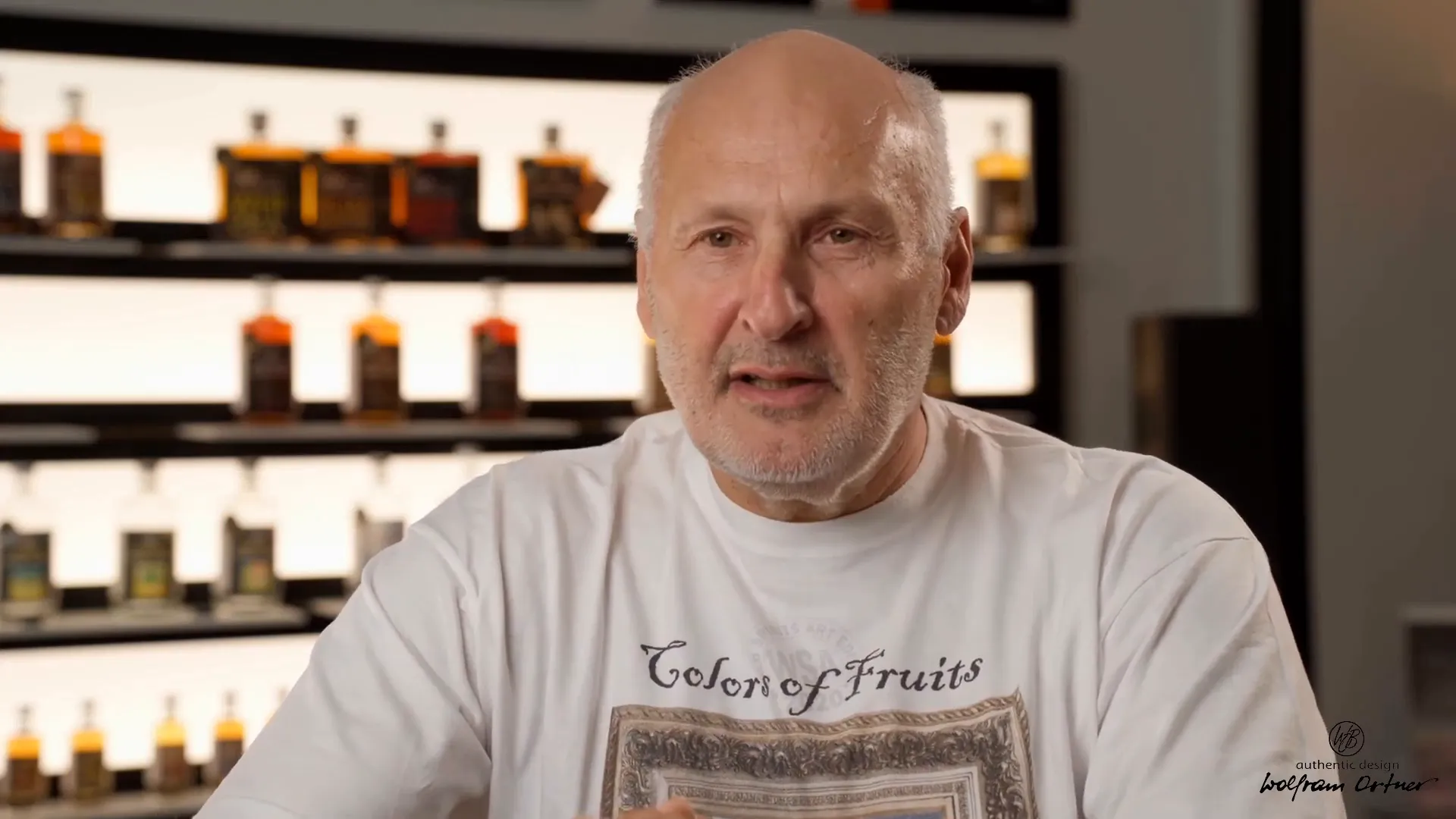
Planting Austria's highest vineyard

From Vineyard to Distillation

Transitioning from vineyard to distillery was not a straightforward path. The desire to produce high-quality schnapps came with its own set of challenges. The process involved understanding fermentation and distillation, which were critical to the quality of the final product.

With a small still and a dedicated approach, the foundation for the distillery was laid. The initial focus was on creating a perfect schnapps, a product that could stand out in a crowded market. This ambition drove the development of techniques and processes that would ultimately define the Wolfram Ortner brand.
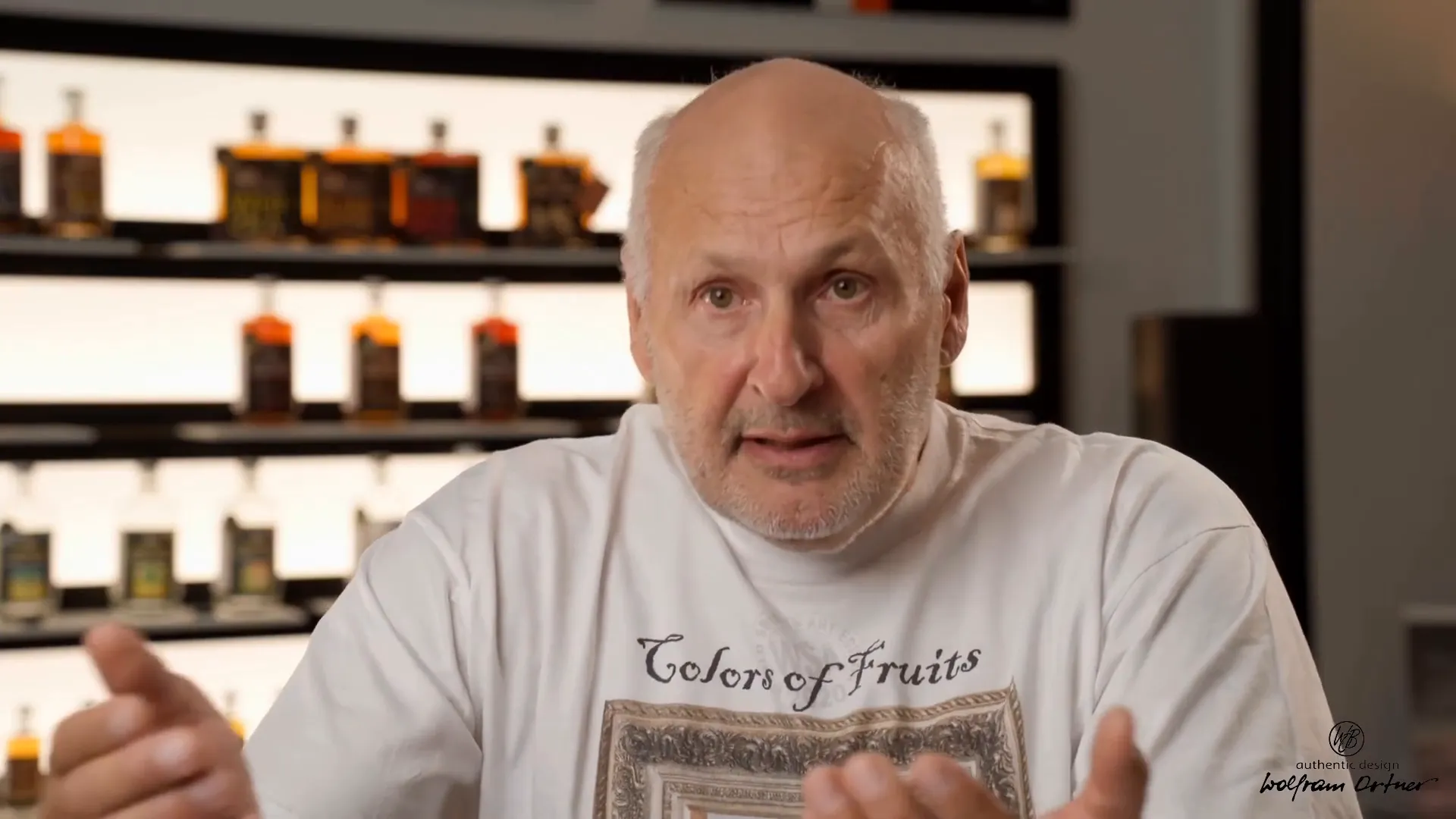
Transitioning to schnapps distillation

The Challenge of Winemaking

Winemaking is often romanticized, but the reality is far more demanding. Each year brings its own set of challenges, from unpredictable weather to the meticulous process of grape selection. Wolfram Ortner faced these trials head-on, recognizing that success required resilience and adaptability.

Every vintage demands attention, and the pressure to maintain quality is immense. Ensuring the vineyard is thriving while preparing for the next harvest is a balancing act that requires expertise and dedication. The decision to pivot to schnapps was both a practical and strategic move, allowing for more creativity in production.
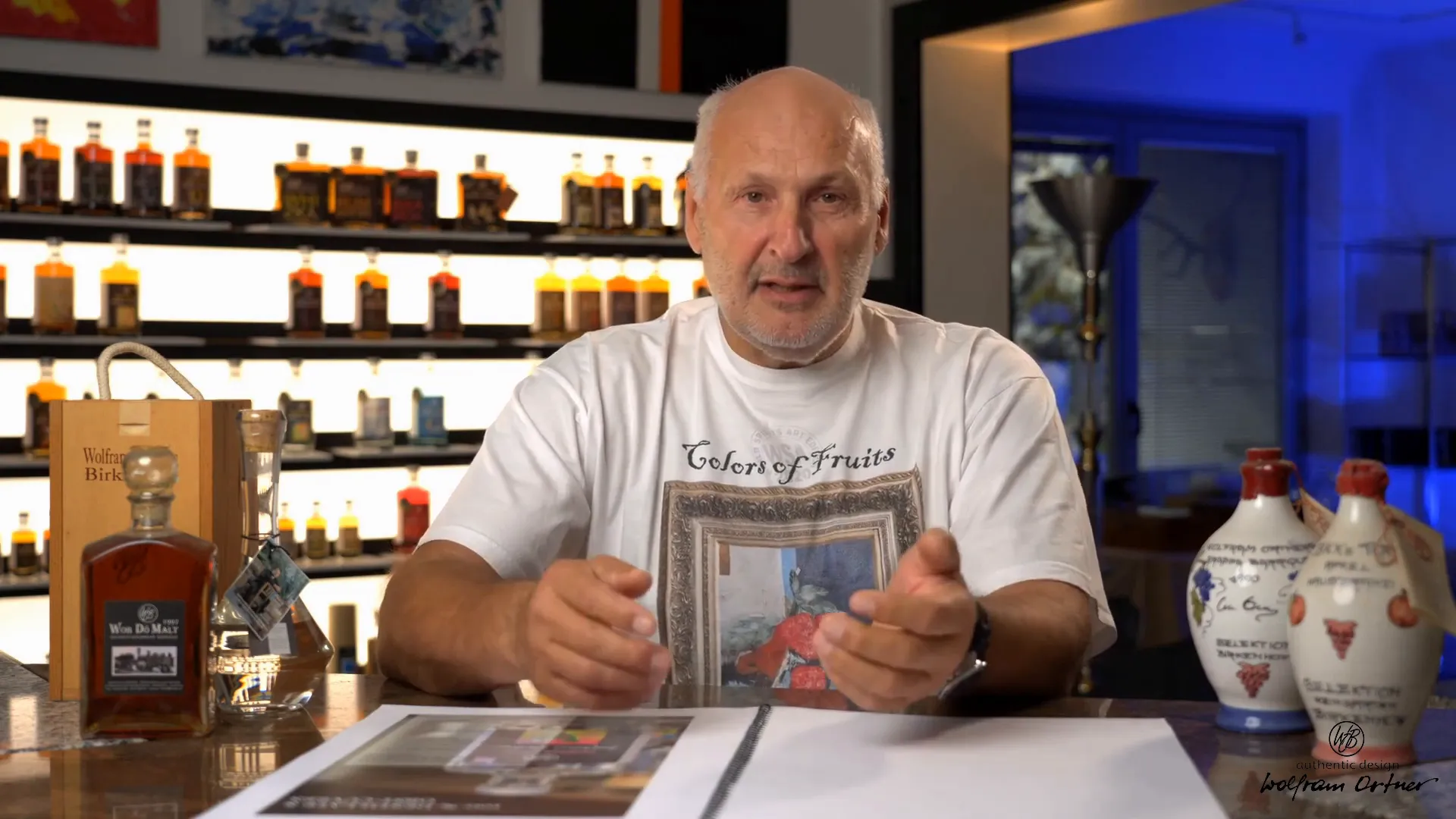
Challenges of winemaking

The Birth of Schnapps Production

The foray into schnapps production marked a significant turning point for the distillery. It represented not just a product line, but a philosophy of craftsmanship and quality. The distillation process was refined through trial and error, with a focus on using the best available fruits.

Wolfram Ortner's commitment to quality was evident from the outset. The first batch of schnapps was a labor of love, requiring careful attention to detail. Each step of fermentation and distillation was executed with precision, ensuring that the resulting spirit would reflect the hard work and passion behind its creation.
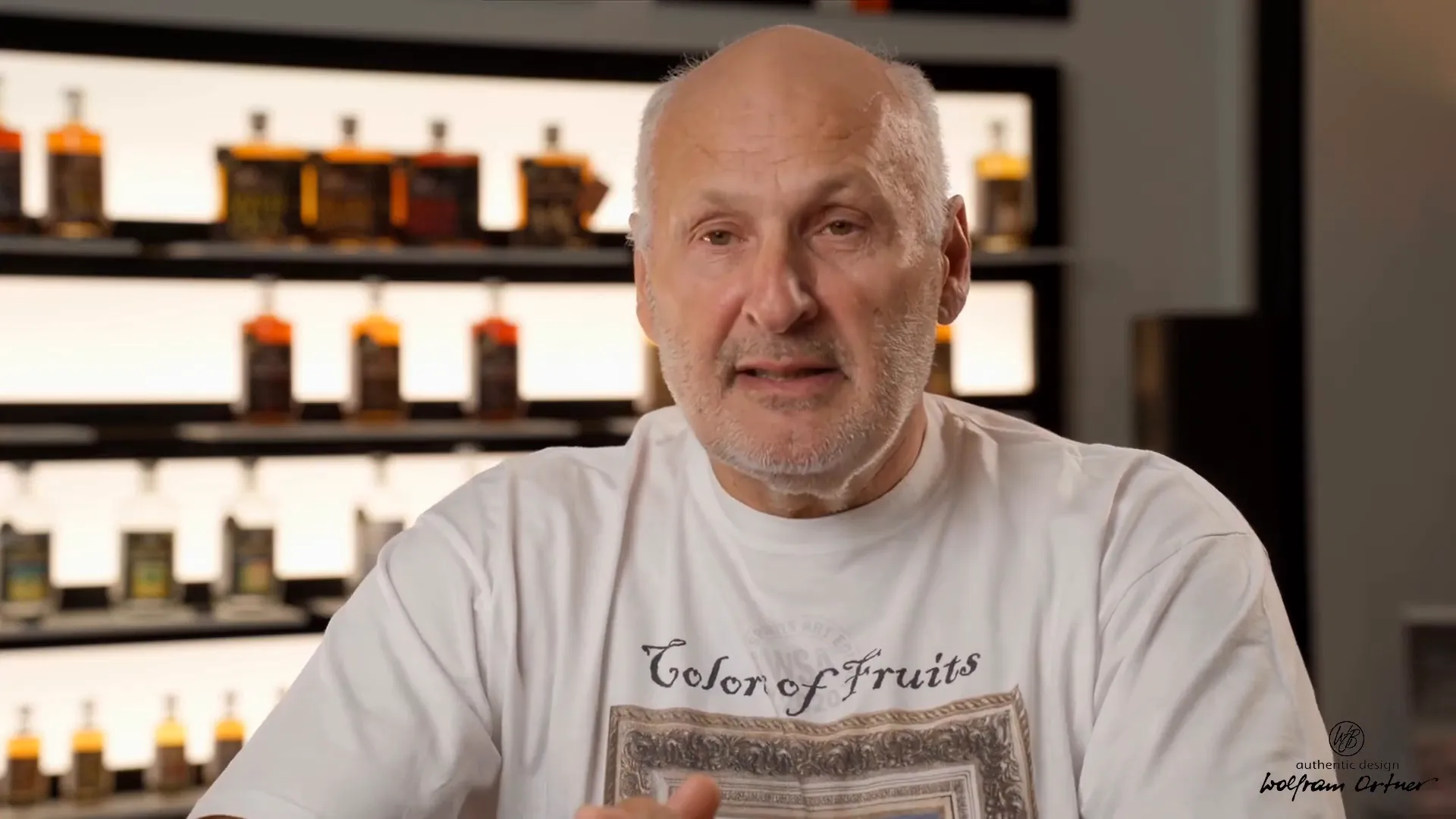
First batch of schnapps production

The Diva of Spirits: Raspberry

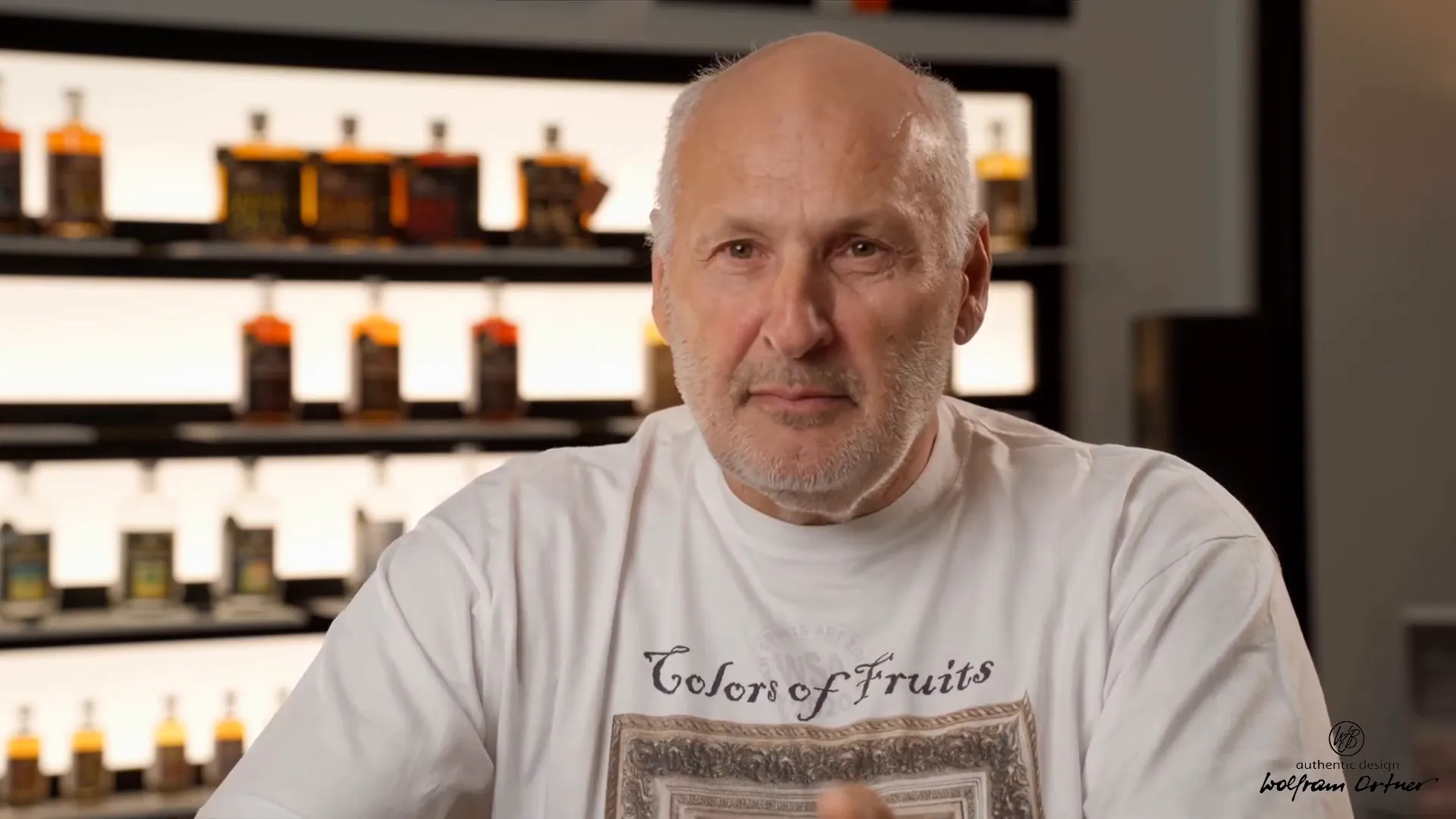
Among the various spirits produced, raspberry schnapps emerged as a standout. Known as the "diva" of spirits, it required a meticulous approach to ensure the highest quality. The process of crafting raspberry schnapps was intense, demanding not just technical skill but also a deep understanding of the fruit.

Raspberries are delicate, and their flavor can easily be compromised if not handled correctly. Wolfram developed a dedicated fermentation room to maintain optimal conditions, ensuring that the fruit's essence was captured in every drop. The pursuit of perfection in raspberry schnapps became a defining characteristic of the distillery.
Raspberry schnapps production

Technical Hurdles with Bottling

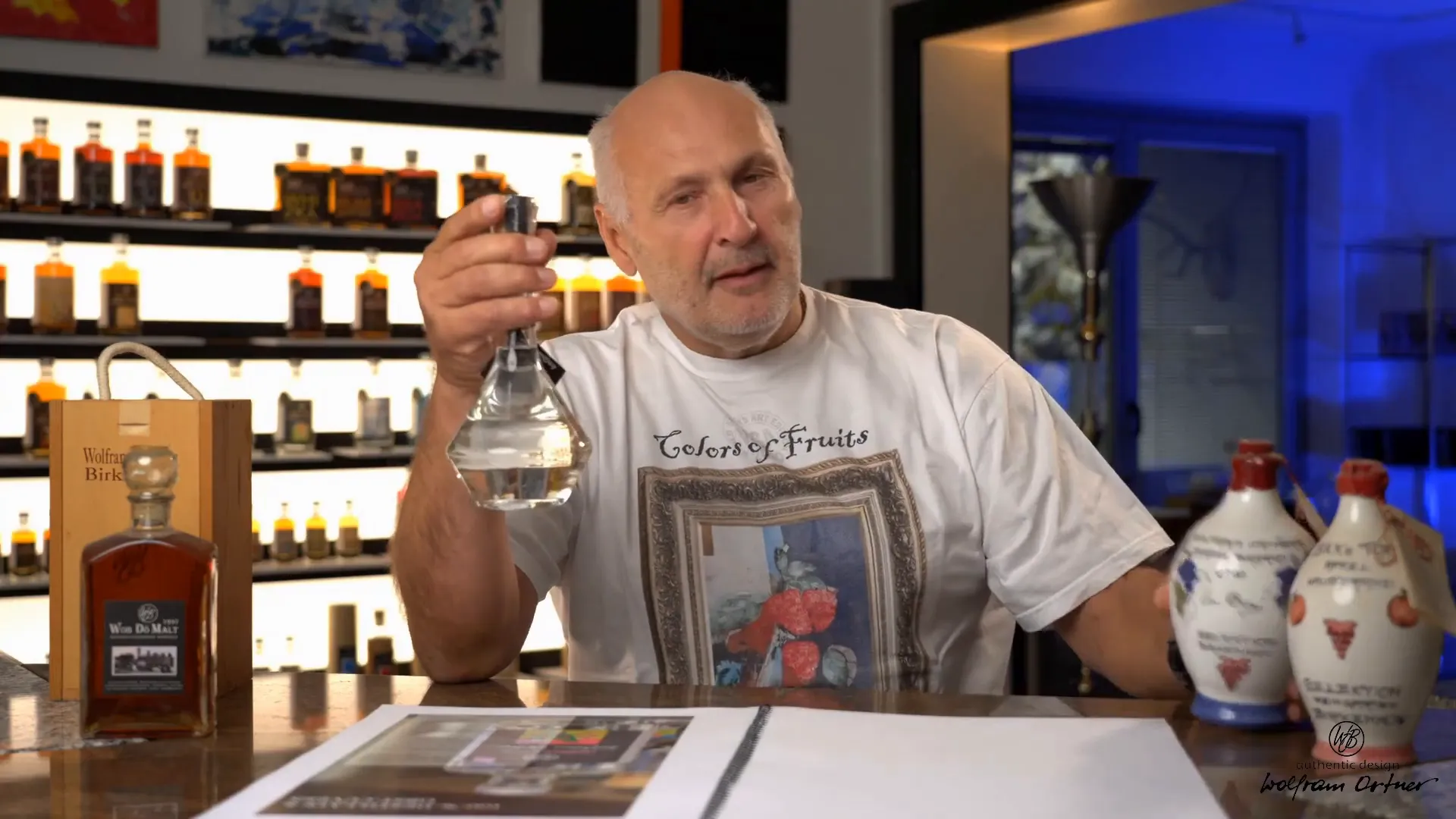
As production ramped up, bottling presented its own challenges. The initial ceramic bottle heads, while aesthetically pleasing, proved to be problematic. They were not airtight, resulting in compromised products over time. This led to a reevaluation of the bottling process to ensure that quality was maintained from distillation to consumer.

Wolfram's commitment to excellence meant that every aspect of production was scrutinized. The technical analysis of bottle designs became crucial to preserving the integrity of the schnapps. This attention to detail reflected the overarching philosophy of the distillery: to create products that not only tasted exceptional but also stood the test of time.
Technical hurdles with bottling

Pursuit of Perfection

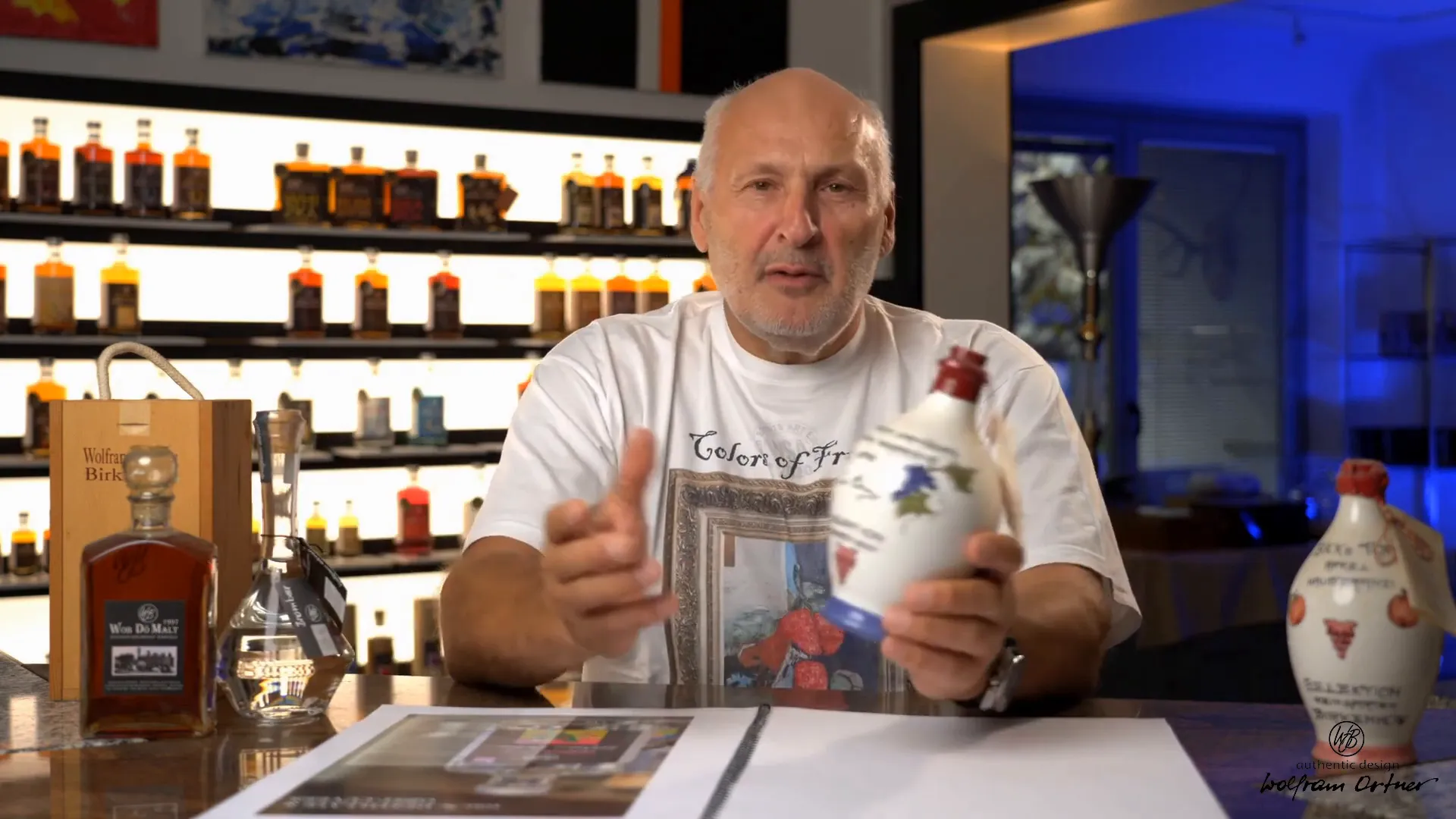
The Wolfram Ortner distillery history is deeply rooted in the relentless pursuit of perfection. From the outset, Wolfram aimed to craft spirits that not only met but exceeded expectations. This drive for excellence manifests in every aspect of the production process, from the selection of fruit to the final distillation.

Wolfram's background in sports instilled a strong sense of discipline and continuous improvement. Each batch of schnapps is treated as an opportunity to refine techniques and enhance quality. This philosophy ensures that every bottle reflects the highest standards of craftsmanship.
Wolfram's commitment to perfection

Innovations in Fermentation

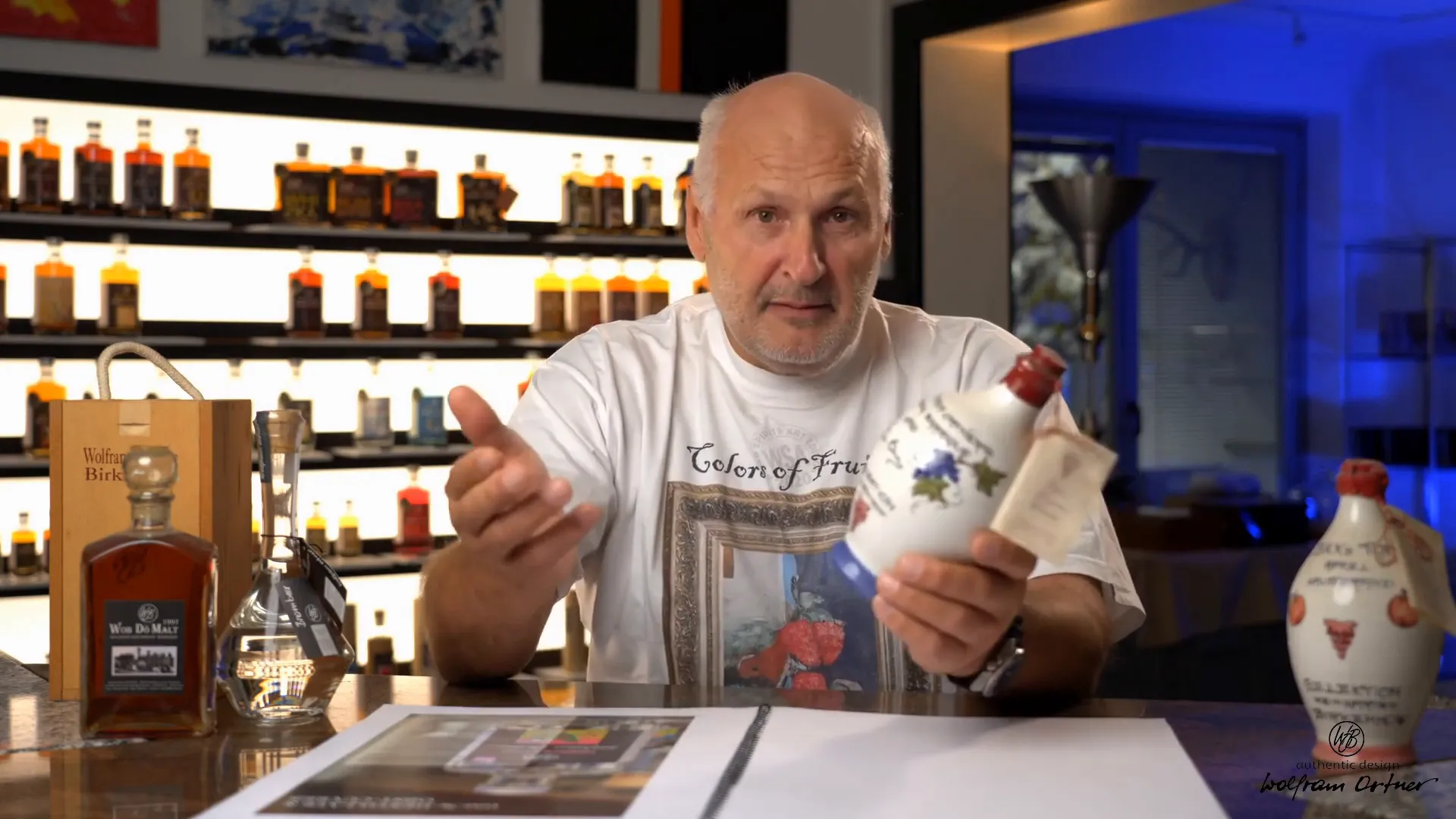
Innovation has played a crucial role in the distillery's success. Recognizing that fermentation is vital to the flavor profile of schnapps, Wolfram invested in temperature-controlled fermentation rooms. This control allows for optimal conditions that enhance the quality of the fruit, particularly the delicate raspberry.

By experimenting with various fermentation techniques, the distillery has been able to unlock unique flavor notes that set their schnapps apart. This commitment to innovation not only improves the product but also positions the distillery as a leader in the craft spirit industry.
Temperature-controlled fermentation room

Gaining Knowledge and Expertise

Building expertise in schnapps production required a willingness to learn from both successes and failures. Wolfram sought knowledge from friends and industry experts, developing a network of support that proved invaluable. This collaborative approach fostered a culture of continuous learning within the distillery.

By embracing feedback and adapting methods, the distillery has evolved significantly. Each new batch reflects the lessons learned from previous experiences, contributing to the overall growth of the brand. This journey highlights the importance of knowledge in achieving excellence.

The Overripe Dilemma

One of the challenges faced during production is the risk of overripe fruit, particularly with raspberries. Wolfram discovered that extended exposure to the aroma of the fruit can lead to a sensory overload, diminishing the overall quality of the distillate. This realization prompted a reevaluation of the distillation process.

To combat this issue, the distillery implemented strict timelines and protocols for fermentation and distillation. By controlling the environment and timing, they ensure that the fruit retains its vibrant character, resulting in a schnapps that is both flavorful and aromatic.
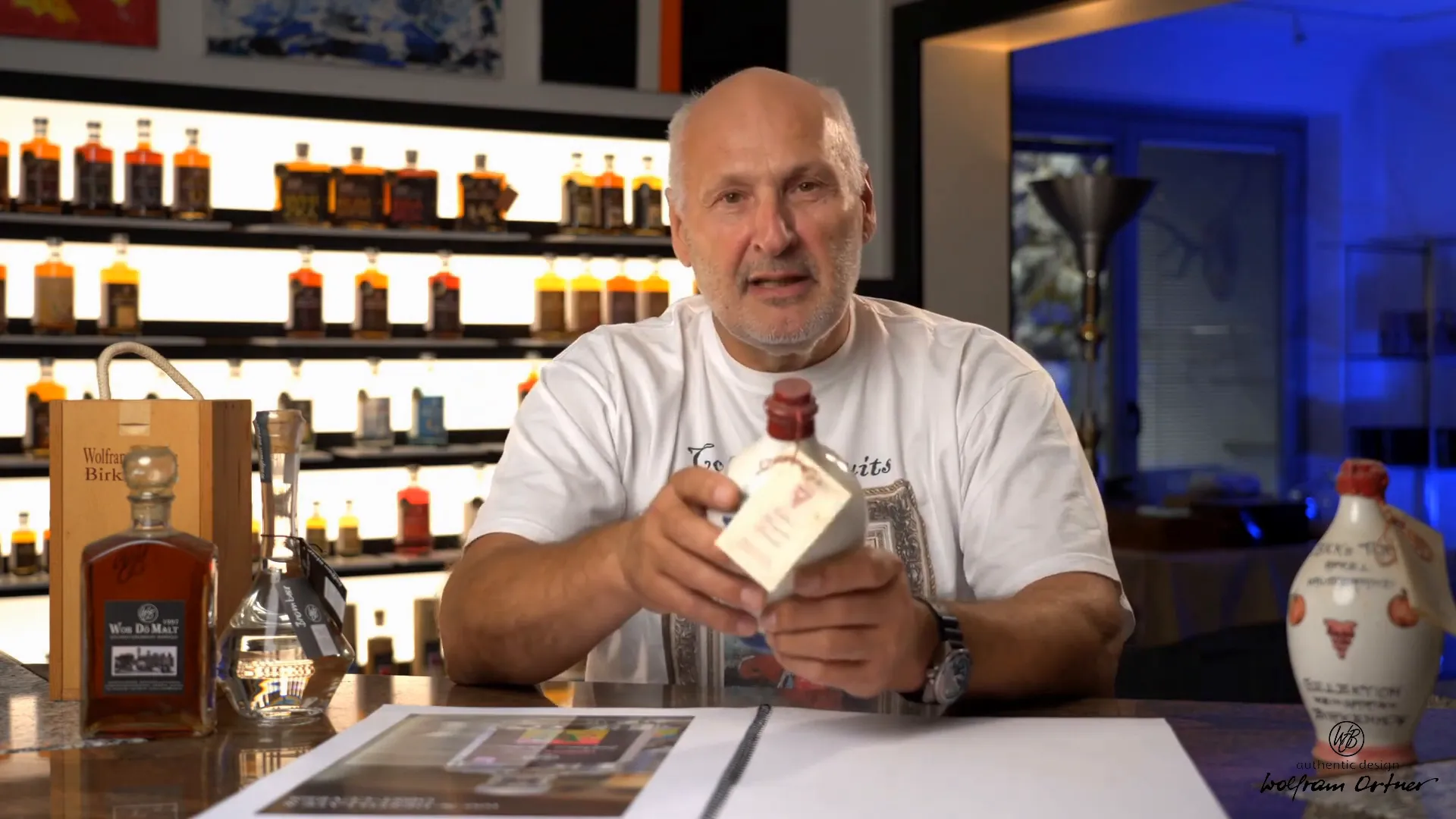
Challenges of overripe fruit in distillation

FAQ - Häufig gestellte Fragen

Where can you buy Wolfram Ortner's creations?

You can purchase Wolfram Ortner's creations directly through the official WOB Online Shop.
(wob.at)
Here, you will find a selection of high-quality distillates, hand-blown glass creations, and other handcrafted products.

Alternatively, you can buy the products on-site at the distillery and café-manufacture in Bad Kleinkirchheim, Carinthia.
The address is: Untertscherner Weg 3, 9546 Bad Kleinkirchheim.
(firmenabc.at)

For more information or specific inquiries, you can contact the distillery via email at info@wob.at or by phone at +43 4240 760.
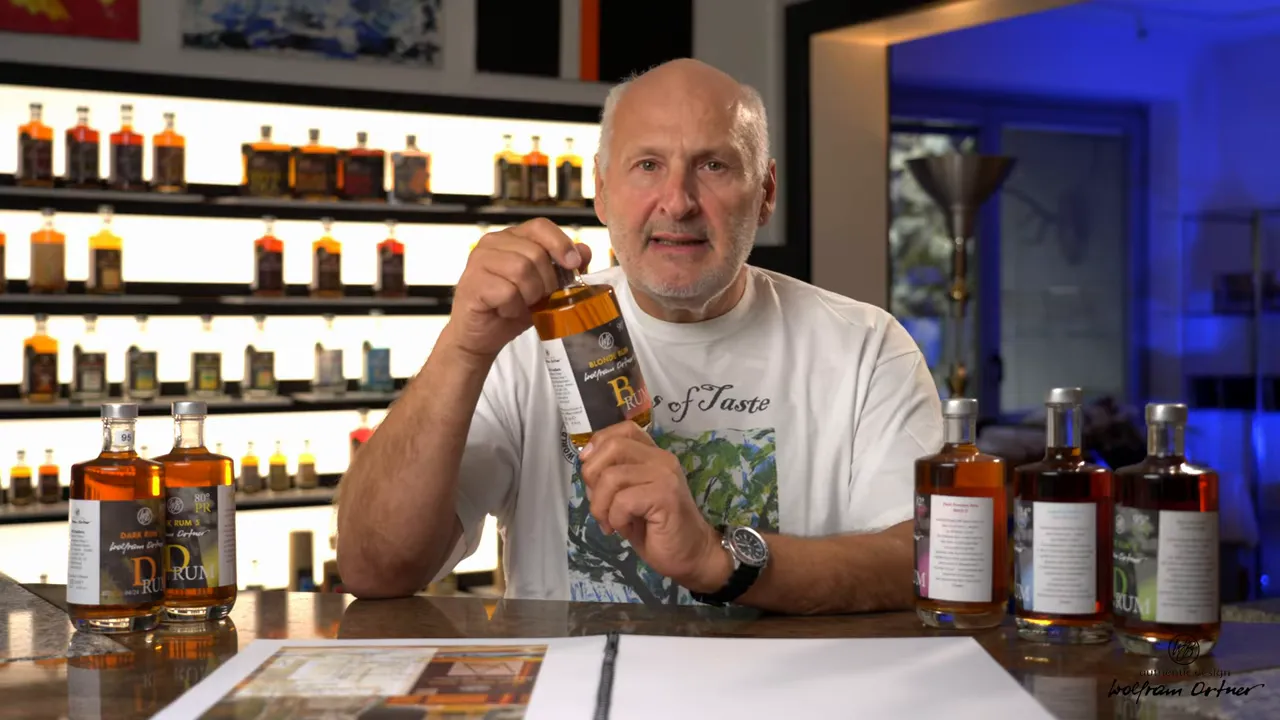
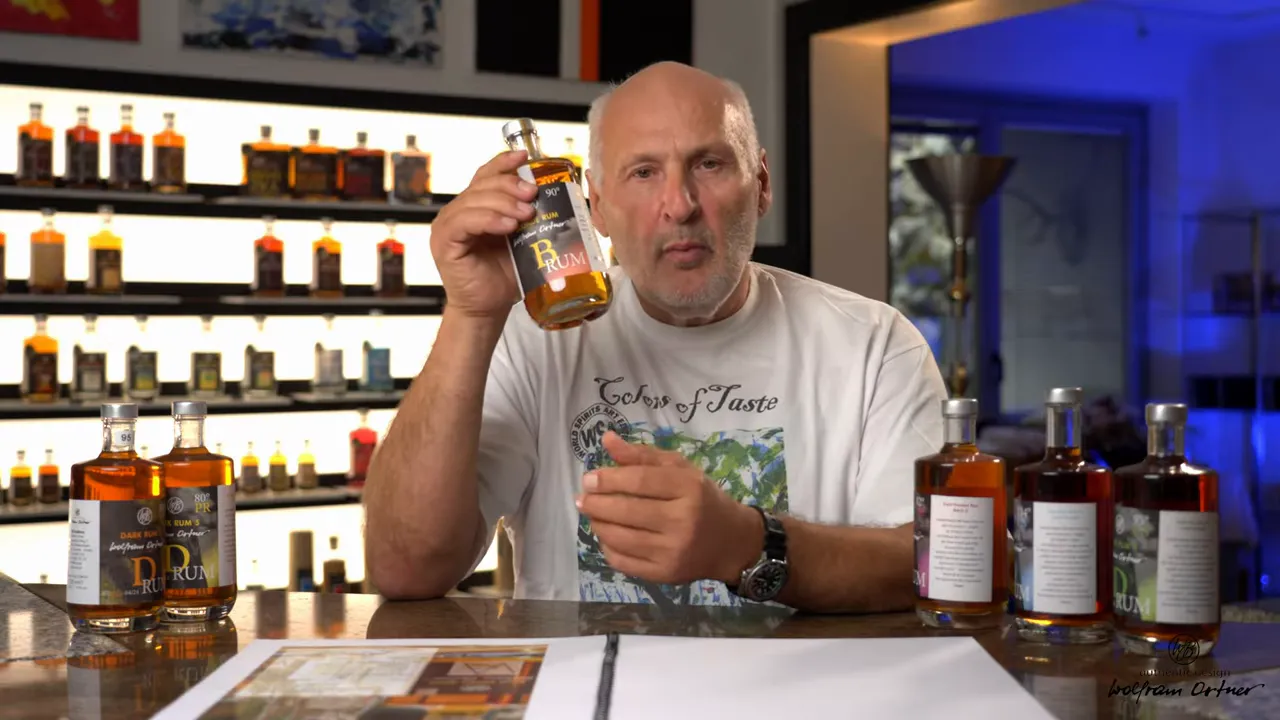
Sesorisches Wissen Kompakt - IWS.TV Fibel

WOB Art & Design by Wolfram Ortner: Cubism, Craft, and the Authentic Voice of a Maker

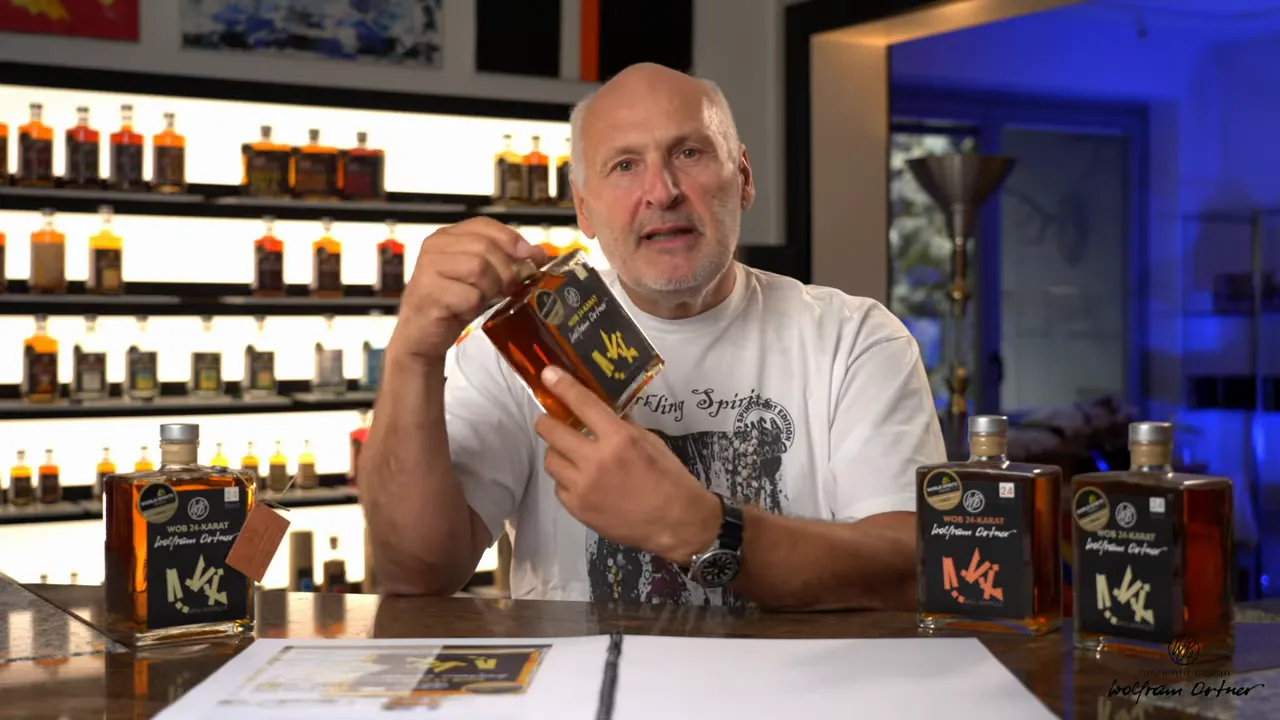
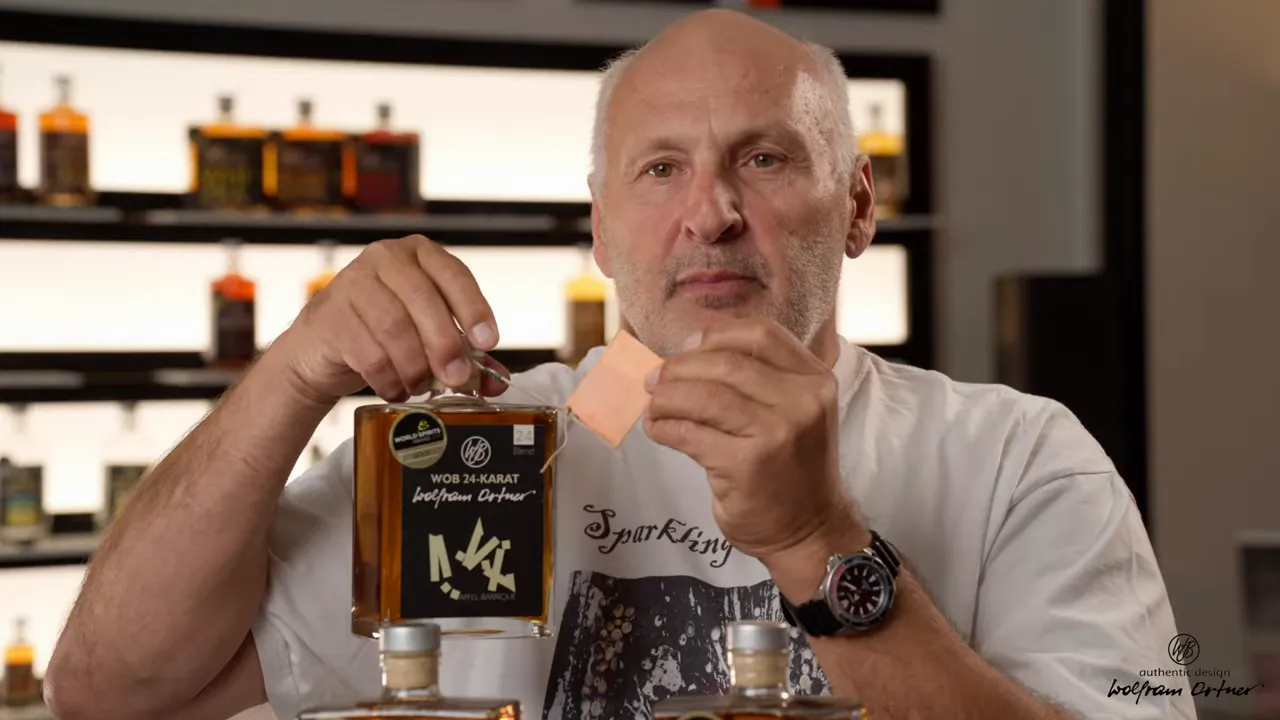
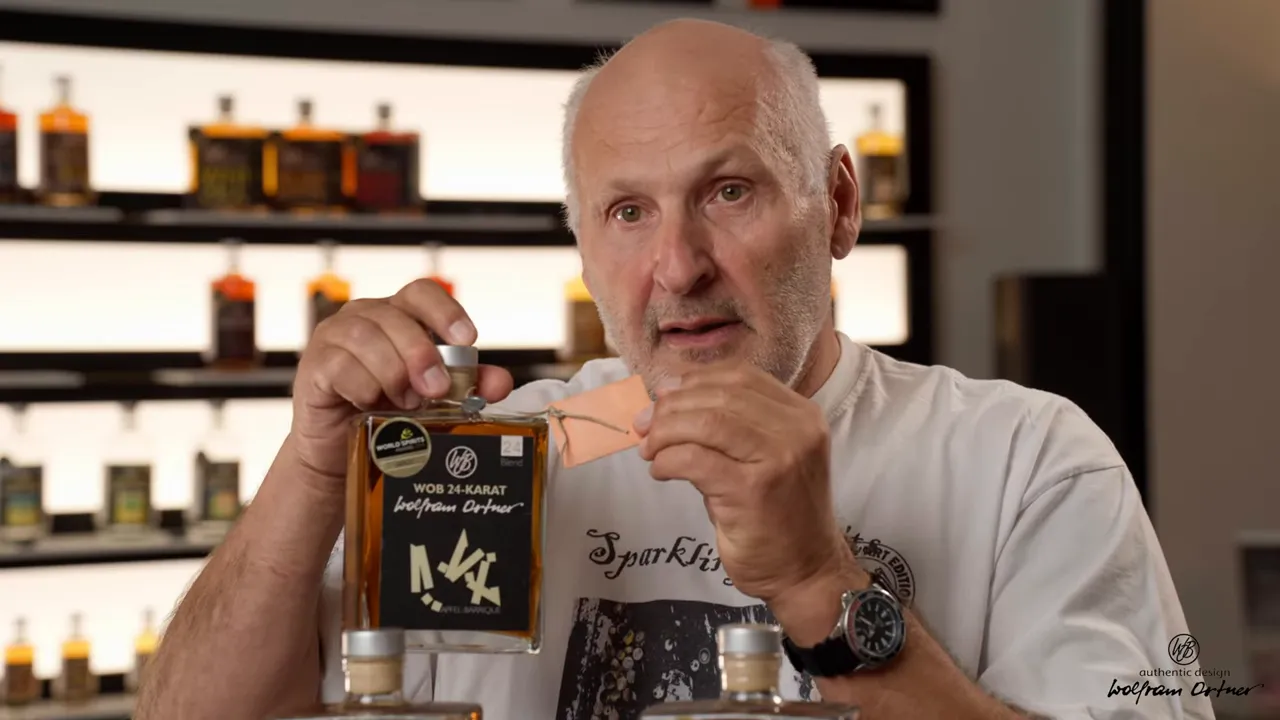
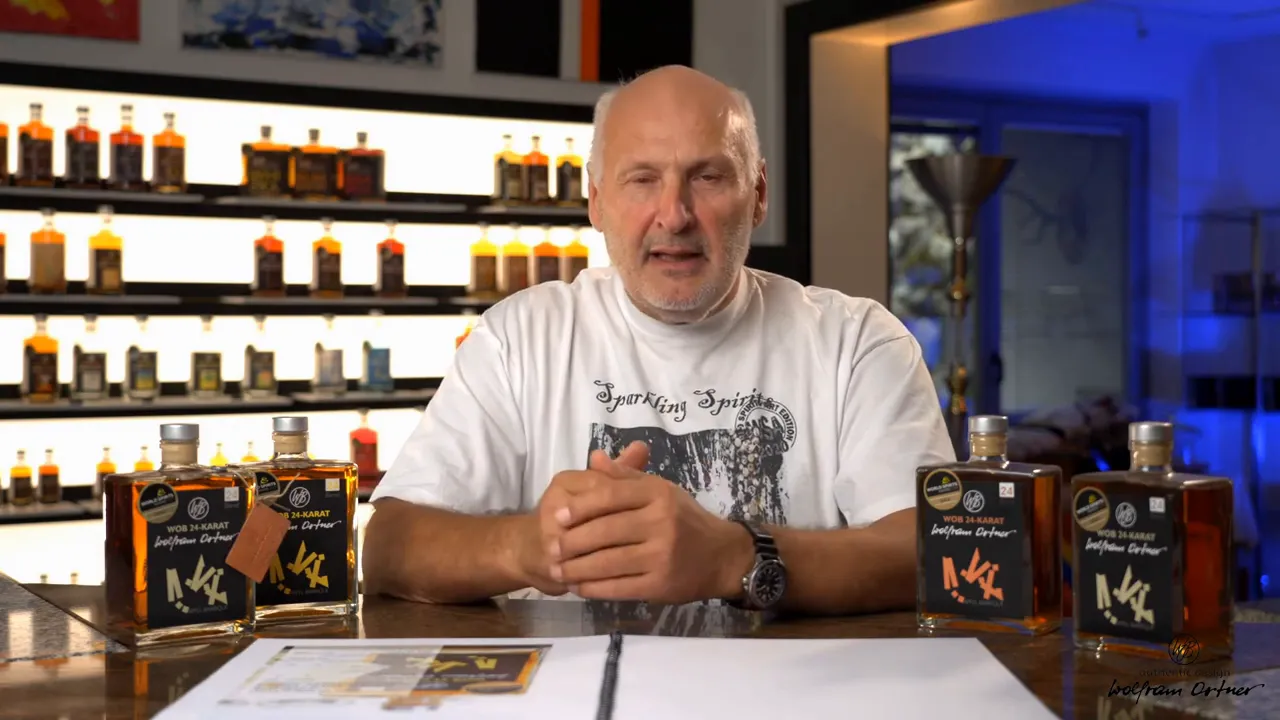
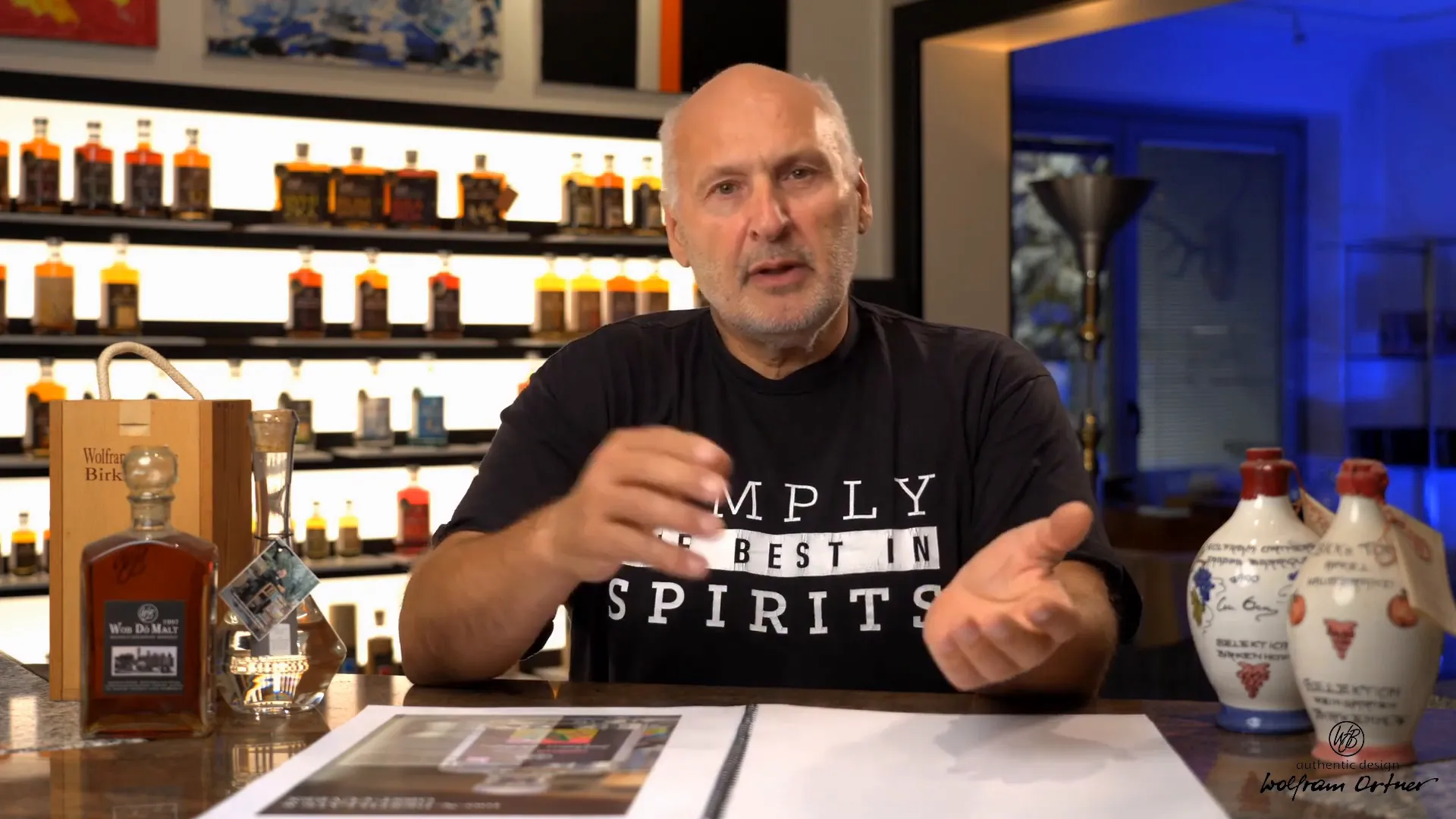
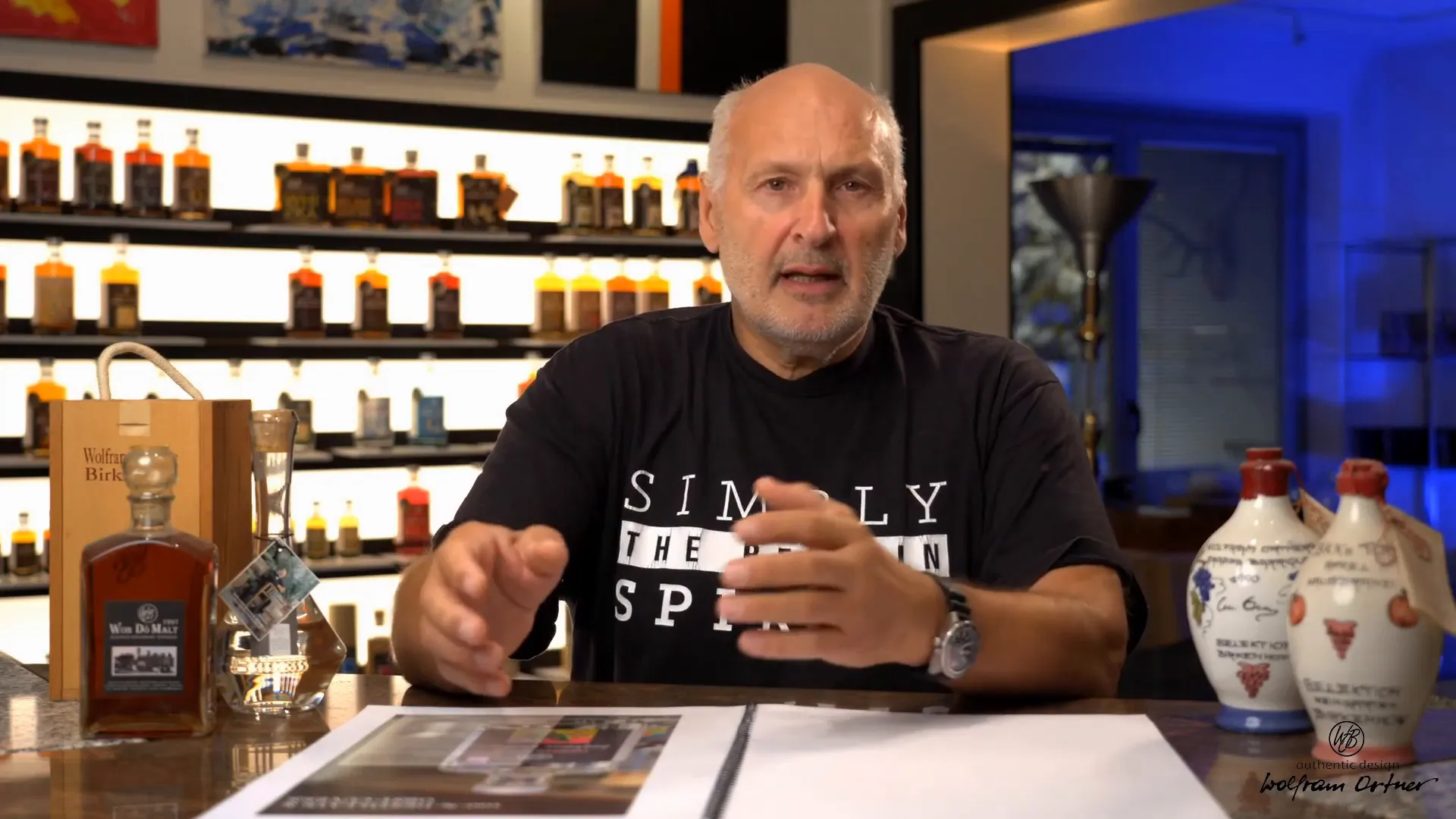
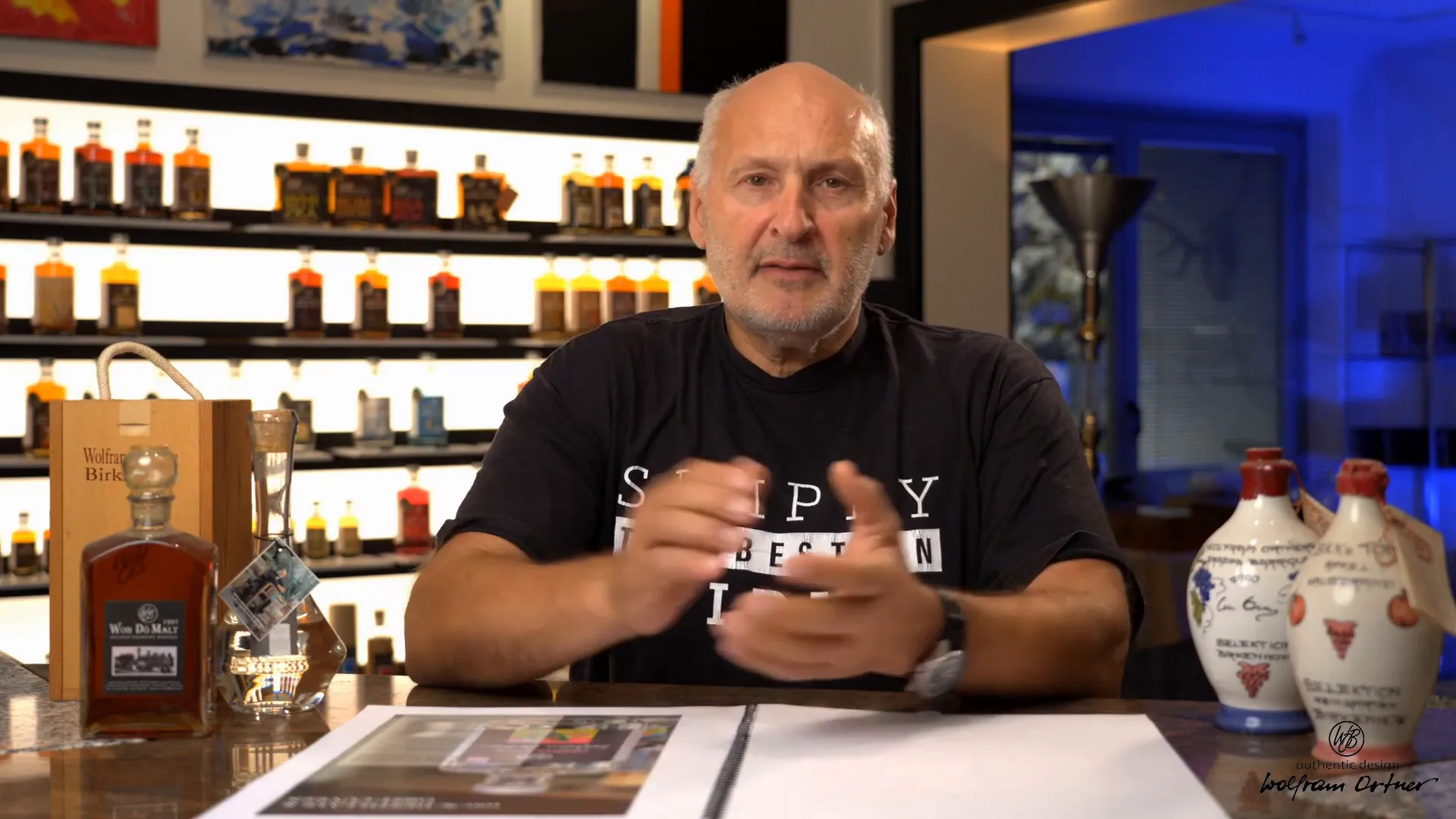
Inside World-Spirits TV - English Channel presents a close look at the artistic side of a distillery founder and designer: Wolfram Ortner. This feature explores WOB Art & Design by Wolfram Ortner, tracing how a long career in graphics and design matured into a committed practice of painting, installation and applied art. The piece describes how cubist foundations meet label design, how themes and techniques are chosen in dialogue, and how personal philosophy shapes both the creative output and the way the work is shared with an audience.

Overview: What WOB Art & Design by Wolfram Ortner Represents

WOB Art & Design by Wolfram Ortner is more than a collection of paintings; it is a practice that bridges applied design and fine art. Ortner's journey began in graphics and design. Over many years he cultivated skills that later informed his approach to painting. In the early 2000s he began to paint seriously, intentionally choosing cubism as the starting point for a visual language that could be adapted and recombined over time. The result is a body of work that sits at the intersection of structured form and expressive intent, with pieces used both as standalone artworks and as graphic material for product labels and installations.

From Graphics to Paint: The Origins of a Visual Language

Ortner's entry into painting did not happen in isolation; it was an evolution from a decades-long involvement with graphics and design. The skills and sensibilities developed in commercial design — composition, working within constraints, and thinking about audience and function — have informed his painterly decisions. In the early 2000s he shifted focus toward canvas and pigment, choosing cubism as the initial stylistic anchor.

By starting with cubism, Ortner committed to a discipline that demands both structural rigor and an understanding of how to fragment and recompose visual data. Cubism provided a framework: planes, simplified forms, and a cadence of rhythm and repetition. It also offered a historical lineage — a dialogue with the practices of Braque and Picasso — that allowed Ortner to locate his work in a broader continuum while making his own marks and motifs.

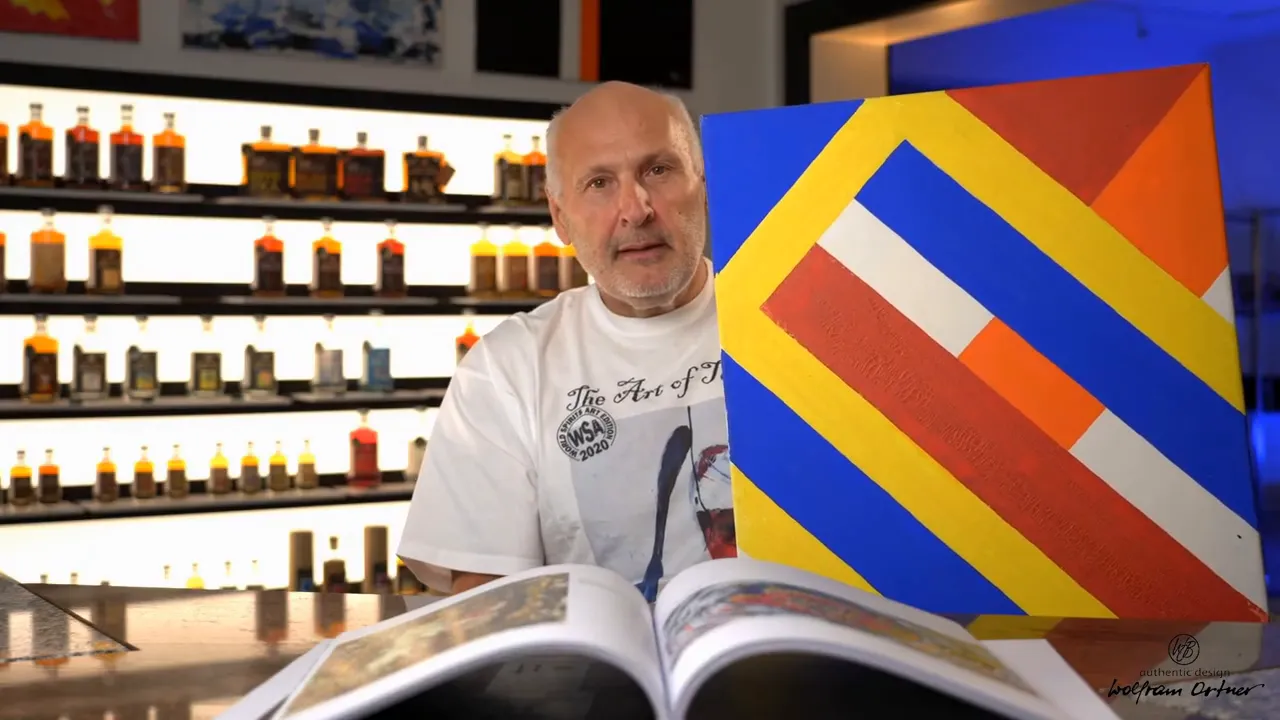
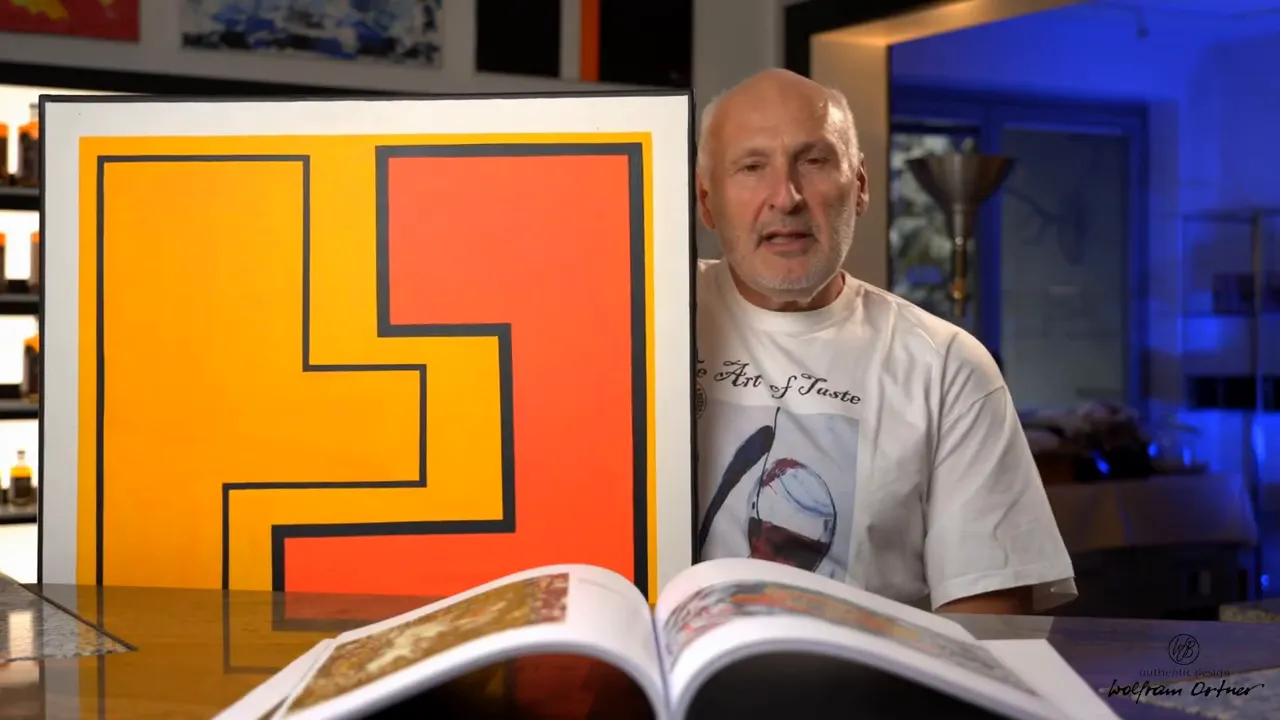
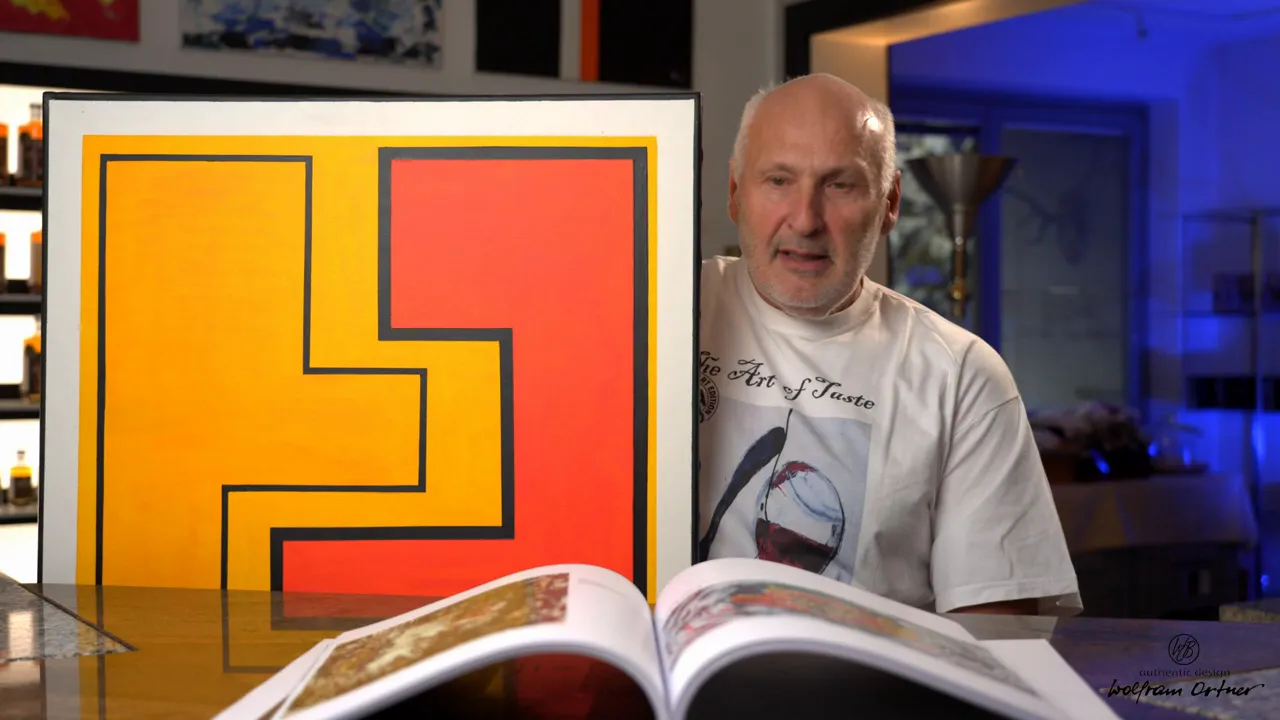
A close-up of a cubist composition with interlocking planes and muted colors

Choosing Themes and Techniques: A Deliberate Process

Ortner approaches each painting with a dual question: what is the theme, and which technique best serves that theme? This disciplined pairing ensures that a work's concept and its method are coherent; technique is not an afterthought, but an integral partner to meaning. He resists the notion of constant stylistic change for its own sake. Instead, he refines — exploring new motifs within an established technique or adapting a technique to suit a new thematic inquiry.

This methodical pairing fosters depth. A recurring motif might be revisited across years, observed under different light, scale, or material conditions. The result is a series of works that feel related not by surface repetition but by shared intention and sustained attention. For visitors and collectors, this approach creates a recognizable voice across diverse works: the viewer senses an artist thinking through problems over time rather than merely producing decorative objects.

Cubism: Influence, Reference, and Reinvention

Ortner’s work embraces cubism not as imitation but as inspiration. He acknowledges the movement’s founders such as Picasso and Braque, while making deliberate choices to make the language his own. Cubism’s geometry and facet-like decomposition of form offer a way to negotiate between the tangible and the conceptual. Ortner uses this vocabulary to build images that reference both modernist history and contemporary concerns.

One visible consequence of this lineage is the use of repeated shapes and planes — a structural logic that both organizes the composition and creates tension with color and texture. The paintings often unfold like small architectural problems: how to orient a plane, which edge to emphasize, how much to fragment an object before it becomes indecipherable. This balance between clarity and abstraction is central to Ortner’s approach.

Cubist motif rendered with layered geometric shapes reminiscent of classic cubism

Art in Service of Design: Labels, Objects, and Practical Art

Another distinctive facet of WOB Art & Design by Wolfram Ortner is the application of artwork to functional design. Ortner does not see art and design as strictly separate realms. Instead, paintings and drawings become source material for labels and packaging — most famously, for labels used on bottles in the distillery context. This pragmatic use of art is a two-way street: design principles (clarity, reproducibility, brand communication) inform the artwork, while the artwork elevates the design with authenticity and narrative depth.

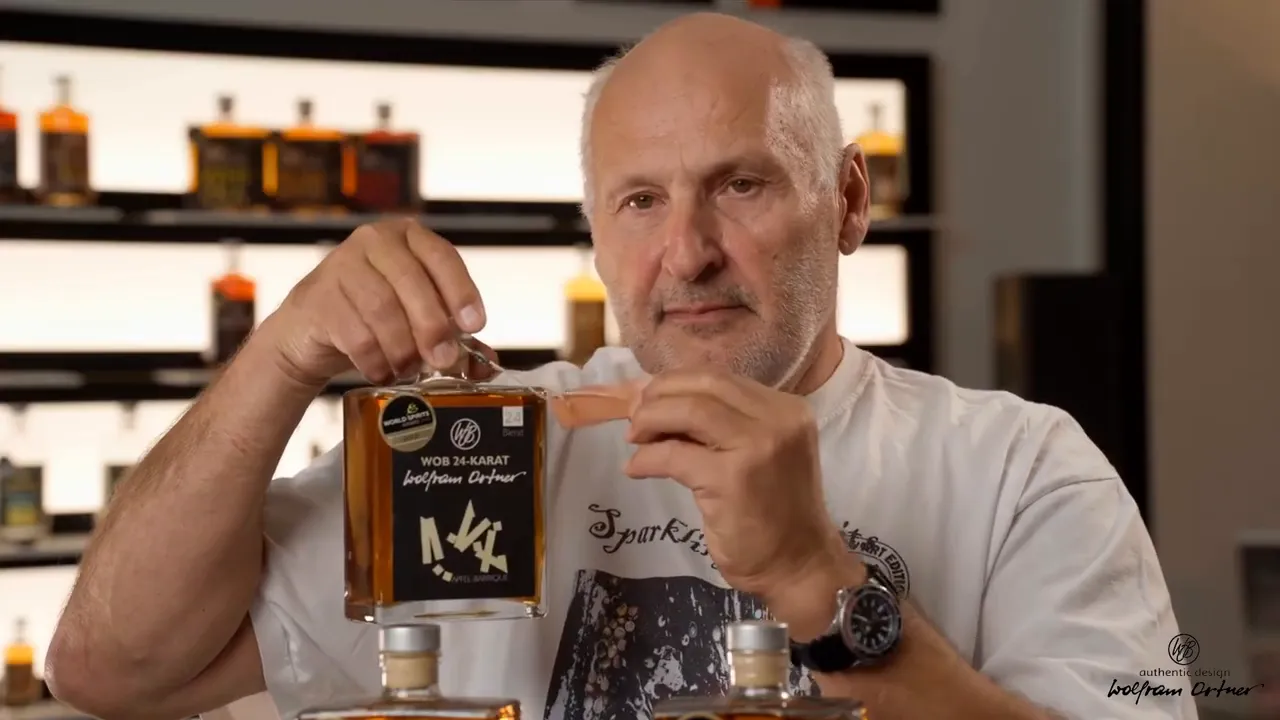
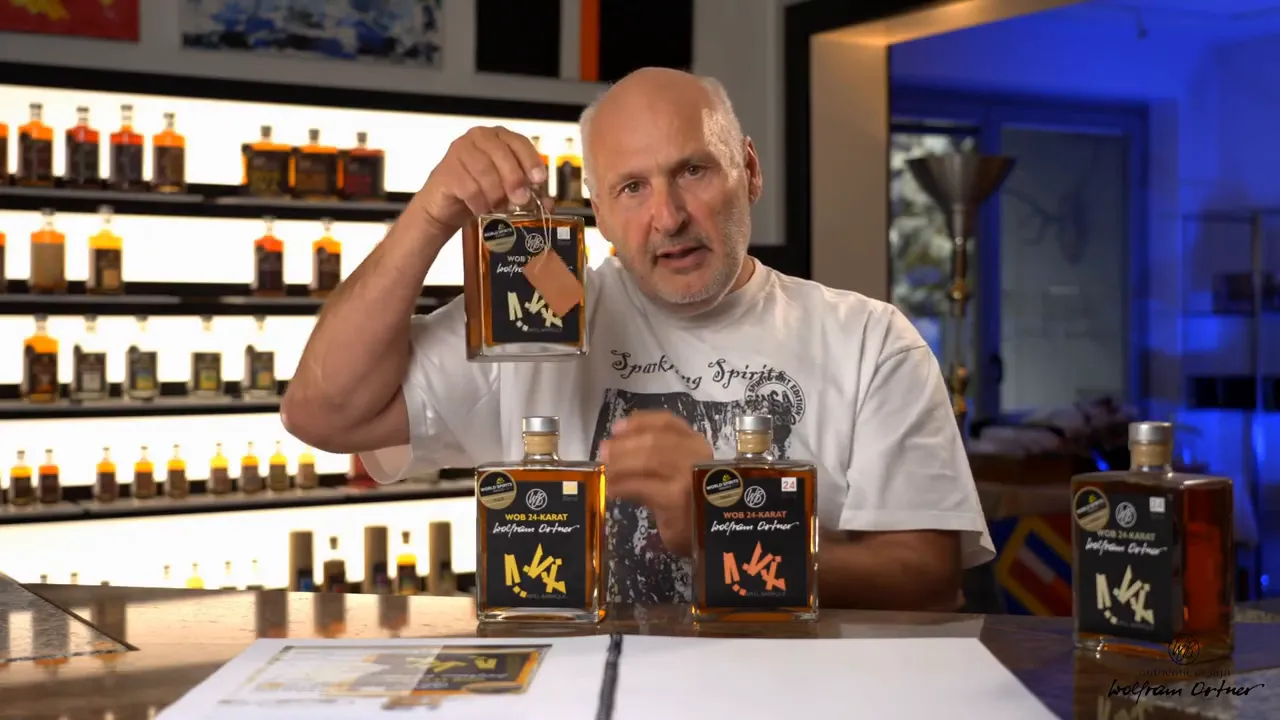
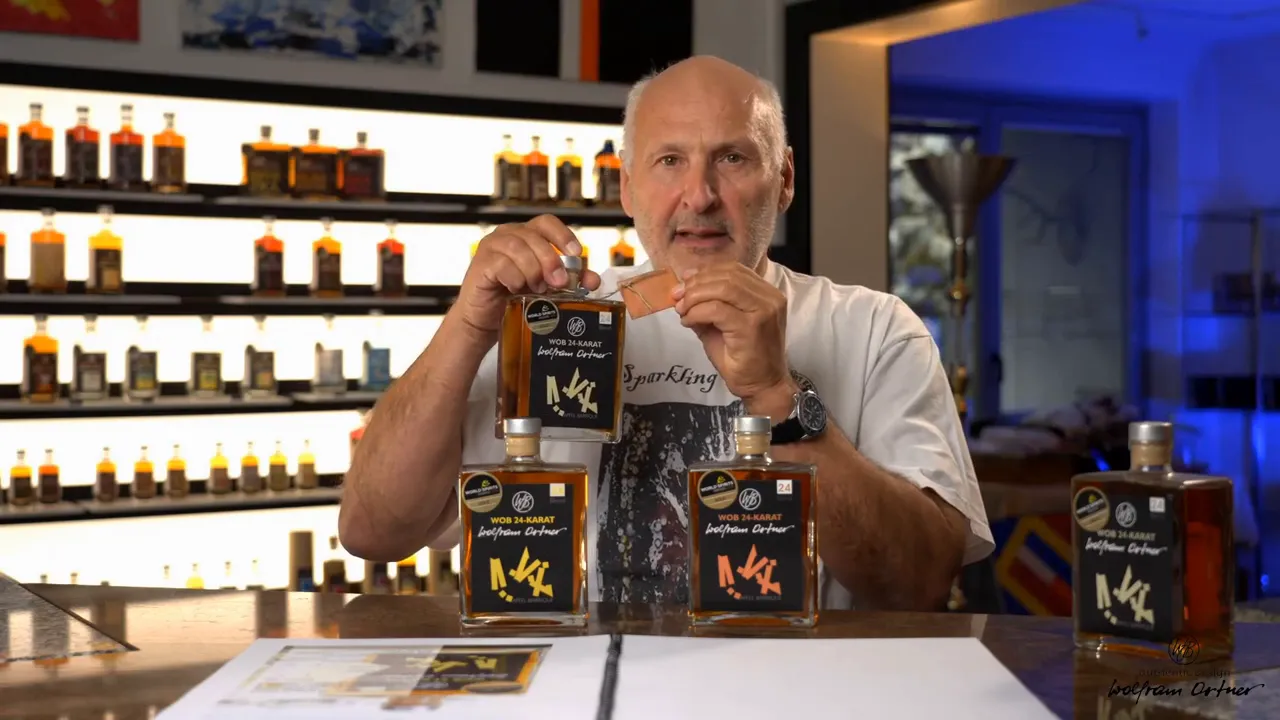
One concrete example mentioned by Ortner is a motif that appears familiar to viewers because it was used on a label. By translating original artwork into label design, Ortner creates objects that carry the sensibility of the studio into everyday use. This makes art part of a lived, social experience rather than a purely gallery-bound commodity.

Installations, Books, and Cross-Disciplinary Practice

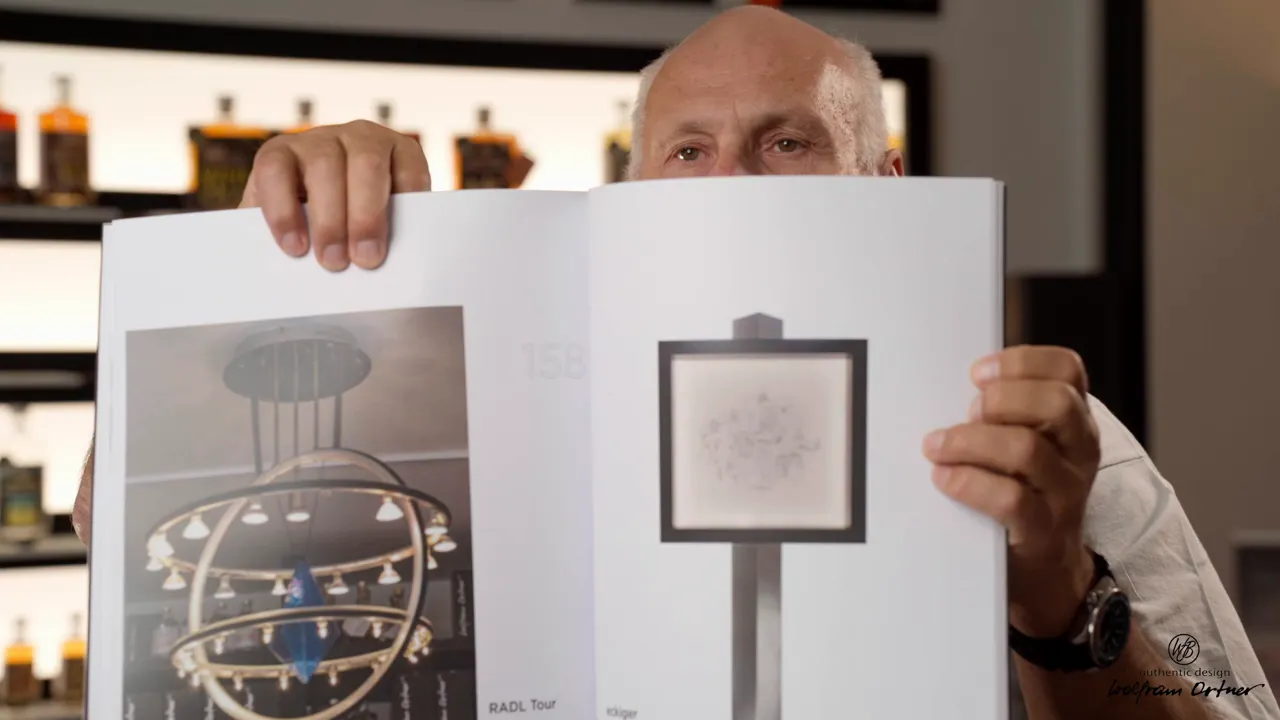
Over the last two decades Ortner’s output has expanded beyond paintings to include installations, design projects, and a curated art book. The art book collects a cross-section of his work, documenting not only images but the conceptual threads that bind them. It serves both as a portfolio and as an entry point for people who want to understand the larger project behind individual works.

Installations allow Ortner to scale his ideas and to orchestrate space, light, and object relationships. These projects bridge the intimate scale of a canvas with the immersive potential of an environment, enabling viewers to encounter the work physically and spatially. The cross-disciplinary approach reinforces the idea that the practice is not about proving mastery in a single medium but about exploring how an idea travels across forms.

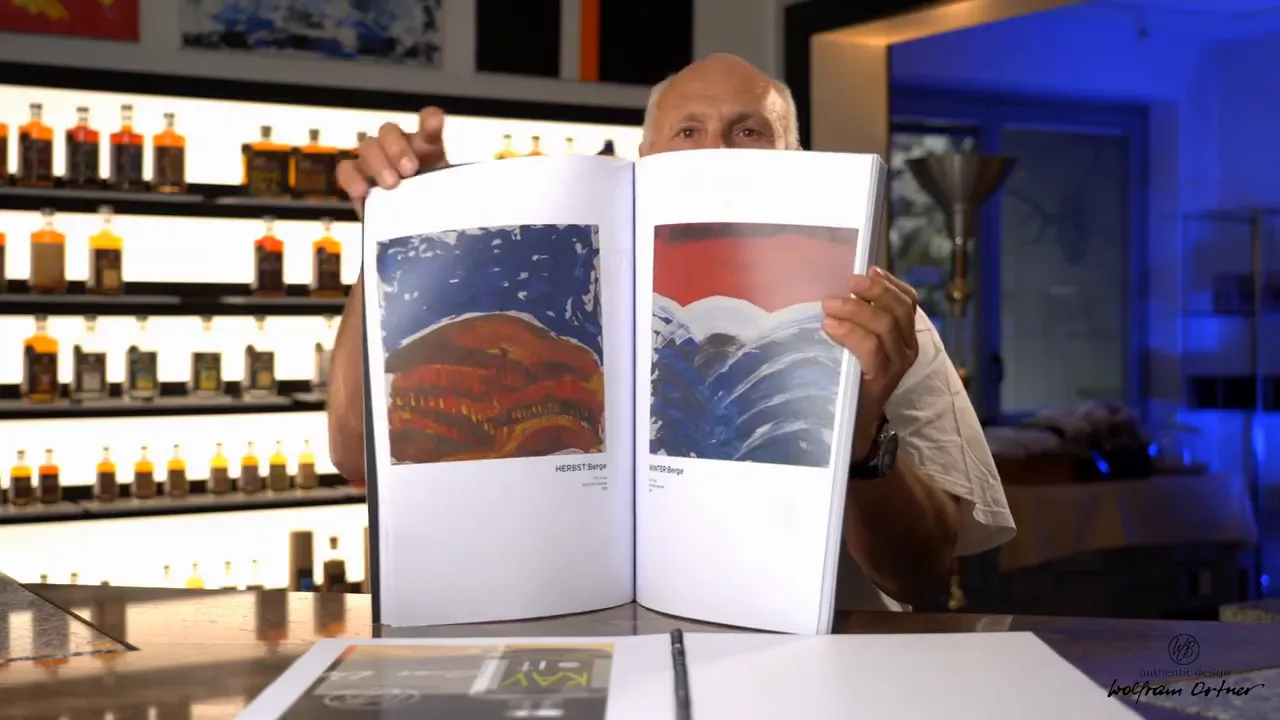
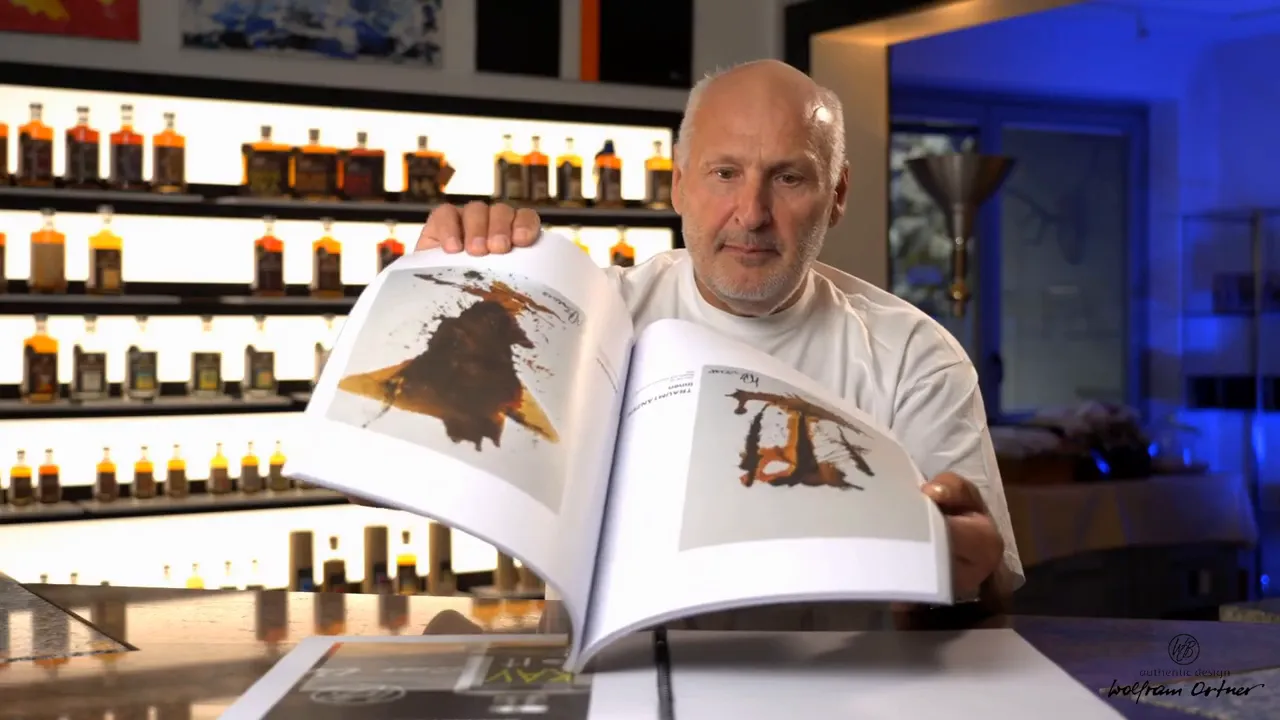
Photograph of a multi-page art book open to two spread pages showing paintings and commentary

On Enjoyment and the Business of Art

Ortner speaks candidly about what he enjoys and where he draws the line. He finds immense pleasure in creation — in the act of making, the discovery that happens in the studio. That pleasure, however, is tempered by a pragmatic stance toward commerce. Selling art is a complex and sometimes uncomfortable part of the practice for him. He articulates a personal philosophy: a painting can only be sold once, and each painting is a unique and authentic piece of the artist.

This belief has consequences. For Ortner, the sale of a painting is not a routine transaction but a transfer of something intimate and singular. He avoids the spectacle of exhibitions and openings, preferring a quieter, appointment-based model for showing his work. This controlled accessibility helps preserve the work’s integrity, offering viewers a focused way to engage and, if desired, to acquire.

Exhibition Philosophy: Availability by Appointment

Rather than hosting regular public exhibitions, Ortner maintains a private viewing model. All paintings and installations can be viewed at the WAP shop in Bad Kleinkirchheim by appointment. This arrangement is intentional: it lets visitors experience the work in a calm, unhurried environment and allows the artist or a representative to contextualize pieces. It's also practical, since the artist prefers to negotiate sales thoughtfully rather than through the often impersonal marketplace of group shows and open events.

For those who cannot visit in person, the art book and a PDF version provide an accessible alternative. The book documents the evolution of themes and techniques over two decades, giving readers an overview of the project and visual evidence of how motifs recur, shift, and accumulate meaning over time.

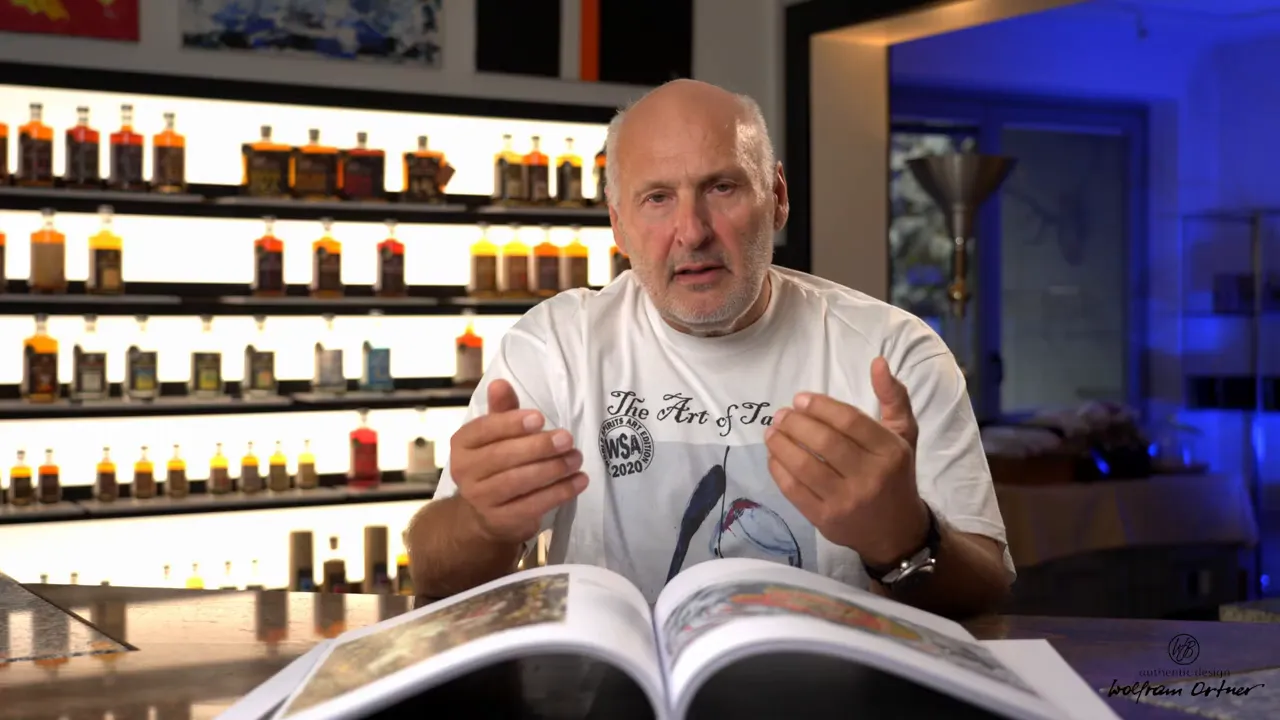
Ortner describing a painting while pointing to details within it

How to Visit and Experience the Work

Visitors interested in WOB Art & Design by Wolfram Ortner are encouraged to schedule an appointment at the WAP shop in Bad Kleinkirchheim. The appointment model ensures dedicated time to view the paintings and installations and to discuss the ideas behind them. The artist’s preference for appointments over public openings speaks to a desire for meaningful engagement rather than one-off viewings.

Hands-on interaction with artworks is forgone in favor of contemplative viewing. The space functions as both a shop and a small archive: the book, the framed pieces, and the installation documentation create multiple avenues into the practice. Guests can study individual works, flip through the book, and — if they are interested in ownership — discuss terms in a considerate, one-on-one fashion.

How WOB Art & Design by Wolfram Ortner Fits into Contemporary Practice

Ortner's practice is a useful case study in the ways contemporary artists negotiate multiple roles: maker, designer, communicator, and entrepreneur. By refusing to silo art and design, he demonstrates the creative potential that emerges when aesthetic inquiry is applied to functional objects and when design constraints are allowed to shape artistic outcomes.

The blend of cubist structure and applied design gives his work both historical resonance and contemporary utility. Instead of pursuing novelty for novelty’s sake, Ortner follows themes and refines his technique, producing work that is consistent in voice yet varied in application. This approach aligns with a broader movement among contemporary practitioners who value coherence, narrative depth, and transdisciplinary practice.

Practical Notes for Collectors and Admirers

  • Viewings are available by appointment at the WAP shop in Bad Kleinkirchheim.
  • The art book documents roughly twenty years of output, including paintings, installations, and designs.
  • Some motifs used in paintings have been translated into label designs for commercial objects; collectors can encounter Ortner’s imagery in both gallery and product contexts.
  • Because Ortner prefers personal handling of sales, prospective buyers should expect a private conversation rather than a public auction or gallery sale.

Conclusion: The Value of an Intentional Practice

WOB Art & Design by Wolfram Ortner is a testament to the idea that creative life is cumulative. Skills from years in graphics and design feed a painterly practice that honors craft and thought. Cubism provides a durable language for experimentation, but it is Ortner’s disciplined method — pairing theme and technique, applying art to design, maintaining private, appointment-led viewings — that gives the work its distinctiveness.

For anyone curious about the convergence of applied art and fine art, or for collectors who value an artist’s personal engagement with each sale, Ortner’s work offers a thoughtful model. It reminds viewers that art can be a practical part of life — appearing on labels, books, and in installations — without losing the intimacy and authenticity that make each piece meaningful.

Practical Contact Information

Those wishing to learn more about WOB Art & Design by Wolfram Ortner or to schedule a visit should contact the WAP shop in Bad Kleinkirchheim. The appointment-based model ensures attentive viewing and the opportunity to discuss the work in depth. The art book and digital materials provide additional context for those unable to visit in person.

WOB Art & Design by Wolfram Ortner represents a sustained, intentional practice — one where design sensibility and painterly inquiry meet to create work that is both useful and deeply personal. For admirers of modernist form, applied design, and thoughtful artistic practice, Ortner’s work rewards close and repeated viewing.

FAQ - Häufig gestellte Fragen

  • Is there a published collection of his work?

    There is an art book that compiles around twenty years of his output, including paintings, installations, and design work. The book is available in the WAP shop and, in some cases, as a PDF for remote viewing.

  • Does Ortner use his art in commercial products?

    Yes. Some motifs from his paintings and drawings have been used for product labels, most notably for bottles associated with the distillery and other design applications. This use exemplifies his interest in the intersection of art and design.

  • Are Ortner’s paintings available for purchase?

    Ortner does sell paintings, but he approaches sales thoughtfully. He believes a painting is an authentic part of the artist and can be sold only once, which informs a careful, personal sale process rather than open gallery auctions or mass-market exhibitions.

  • Can visitors see the artworks in person? entkernt?

    Yes. Ortner prefers private viewings by appointment. All paintings, installations, and the art book can be viewed at the WAP shop in Bad Kleinkirchheim. Scheduling an appointment in advance is recommended to ensure focused attention and context when viewing pieces.

  • What are the main influences on WOB Art?

    Cubism is the primary stylistic influence, with references to historical figures like Picasso and Braque. Ortner uses cubist strategies — fragmentation, planar composition, and simplified geometry — while adapting them to contemporary concerns and applied design contexts.

  • How did Wolfram Ortner transition from graphic design to painting?

    Ortner spent many years in graphics and design, which provided technical skills and an aesthetic foundation. In the early 2000s he began painting, choosing cubism as a starting point. He approaches painting by pairing a clear theme with a chosen technique, allowing his design background to inform composition, color choices, and the translation of images into functional designs like labels.

Sesorisches Wissen Kompakt - IWS.TV Fibel

WOB Art & Design von Wolfram Ortner – Kubismus, Design und persönliche Leidenschaft

Inhaltsverzeichnis

Wolfram Ortner beschreibt in der Präsentation, wie er seit vielen Jahren in Grafik und Illustration arbeitet und sich Anfang der 2000er Jahre zum Malen hin orientierte. Für ihn sind Form, Thema und Technik kein Zufall, sondern bewusste Entscheidungen, die sich durch sein gesamtes Schaffen ziehen. WOB Art & Design von Wolfram Ortner bleibt dabei immer ein Ausdruck seiner Persönlichkeit und seiner künstlerischen Haltung.

Inhalt und Aufbau dieses Artikels

Dieser Beitrag fasst die Aussagen des Videos zusammen, ordnet sie ein und erweitert sie mit Kontext, der für Leserinnen und Leser nützlich ist. Zentrale Themen sind:

  • Entstehung und Hintergrund von WOB Art
  • Der Einfluss des Kubismus auf Ortner
  • Die Verbindung von Kunst und Produktdesign (Etiketten, Flaschen, Präsentationen)
  • Die Haltung zum Verkauf, zu Ausstellungen und zur Authentizität der Werke
  • Praktische Hinweise zum Besuch der Ausstellung und zum Kunstbuch

Vom Grafikdesigner zum Maler: Ein persönlicher Weg

Wolfram Ortner kommt aus der Grafik und Illustration und hat diese Disziplinen über viele Jahre gepflegt. Aus der langjährigen Praxis des Gestaltens heraus entstand schließlich der Wunsch, freiere, eigenständige Bildwerke zu schaffen. In diesem Übergang manifestiert sich ein typisches Motiv vieler gestaltender Köpfe: Die Suche nach einer persönlichen Sprache, die über Kundenvorgaben hinausgeht.

WOB Art & Design von Wolfram Ortner wurde genau in diesem Spannungsfeld geboren: zwischen Auftrag und freier Kunst, zwischen Struktur und Emotion. Ortner betont, dass er nicht einfach „weiterlernen“ wollte, sondern sich immer ein Thema und eine Technik suchte, die gegenseitig zusammenfinden.

Kubismus als formale Grundlage

Einer der prägnantesten Einflüsse auf Ortner ist der Kubismus. Er nennt Namen wie Braque und Picasso als Referenzpunkte und beginnt seine Malerei bewusst mit kubistischen Ansätzen. Die frühen Arbeiten sind klar von der fragmentierten, geometrischen Logik des Kubismus geprägt: Flächen, Formen und Perspektiven werden bewusst gebrochen und neu zusammengesetzt.

Die kubistische Arbeitsweise erlaubt ihm, Gegenstände, Menschen und Landschaften in mehrere Ebenen zu übersetzen. Diese Übersetzung ist weniger eine Kopie historischer Stile als eine Fortführung: Ortner nutzt die Methode des Zerlegens und Wiederzusammensetzens, um eigene Motive und Themen zu entwickeln. WOB Art & Design von Wolfram Ortner zeigt, wie diese Methode in zeitgenössischer Gestaltung weitergedacht wird.

Malerische Skizze mit kubistischen Fragmenten

Thema, Technik und das bewusste Motiv

Bei Ortner ist jedes Werk das Ergebnis eines bewussten Themas und einer gewählten Technik. Er sucht sich ein Sujet und entwickelt daraus Schritt für Schritt eine passende formale Strategie. Diese Disziplin grenzt zufälliges Experimentieren aus und ist Ausdruck seiner Gestaltungsphilosophie: Kunst als verantwortete Entscheidung, nicht als reiner Zufall.

WOB Art & Design von Wolfram Ortner steht für diesen Ansatz: Kunst entsteht dort, wo Thema und Technik im Dialog stehen. Das hat Folgen für Materialwahl, Farbigkeit und Komposition. Ortner beschreibt seine Verfahrensweise als einen Prozess, bei dem das Thema zuerst kommt und die Technik ihm folgt, nicht umgekehrt.

Beispiele: Motive, Serien und Wiederkehrendes

In den Bildern tauchen wiederkehrende Motive auf, die teils mit persönlichen oder regionalen Bezügen verbunden sind. In der Präsentation nennt Ortner ein Motiv, das bereits auf einer Flasche beziehungsweise einem Etikett Verwendung fand. Solche Überschneidungen zwischen freier Kunst und Produktdesign sind charakteristisch für sein Schaffen.

WOB Art & Design von Wolfram Ortner verknüpft Bildserien mit konkreten Anwendungen: Etiketten, Dekorationen und Präsentationsobjekte werden so zu Trägern künstlerischer Motive und eröffnen neue Kontexte für die Kunst.

Ein Etikettendesign mit übernommenen Kunstmotiven

Kunst als Design: Etiketten und Produktästhetik

Ein spannender Aspekt ist die Nutzung von Kunstwerken als Gestaltungsgrundlage für Etiketten und andere Anwendungen in der Destillerie. Ortner verwendet eigene Motive zur Gestaltung von Produktverpackungen; so wird Kunst unmittelbar Bestandteil eines Produkterlebnisses.

Diese praktische Verbindung zwischen Kunst und Produktdesign ist nicht nur ästhetisch reizvoll, sondern auch strategisch: Sie macht Kunst erfahrbar und bringt sie in den Alltag der Kundinnen und Kunden. Gleichzeitig bleibt sie loyal zur Idee, dass ein Originalbild einzigartig ist – und damit nicht beliebig reproduziert werden kann.

Das Buch, die Sammlung und der Ausstellungsraum

Ortner erwähnt ein umfassendes Buch bzw. eine Sammlung, die seine Arbeiten der letzten 20 Jahre dokumentiert. Dieses Buch ist mehr als ein Katalog; es bildet die Bandbreite seines Schaffens ab: von Bildern über Design bis zu Installationen. Wer die Entwicklung nachvollziehen möchte, findet in der Publikation einen guten Einstieg.

WOB Art & Design von Wolfram Ortner ist damit nicht nur sichtbar in der digitalen Welt oder auf Produkten, sondern auch gebunden in einer gedruckten Form, die als Referenz dient. Die Ausstellung vor Ort in der Destillerie ermöglicht einen direkten Blick auf viele Originale – ein Erlebnis, das der Künstler selbst als wichtiger Teil des Kunsterlebens betrachtet.

Aufgeschlagenes Buch mit Abbildungen der Werke

Haltung zum Verkauf: Kunst als authentisches Stück Persönlichkeit

Eine der markantesten Aussagen in der Präsentation betrifft die Verkaufs- und Ausstellungspraxis. Ortner sagt, dass ein Bild nur einmal verkauft werden könne, weil es ein authentisches Stück seiner selbst sei. Diese Sichtweise setzt auf Einmaligkeit und Wertschätzung statt auf kommerzielle Auswertung.

In der Praxis bedeutet das, dass er selten klassische Ausstellungen anbietet, keine Massenangebote macht und Einzelinteressenten bevorzugt. Die Preisfindung ist für ihn schwierig, denn sie misst nicht nur Material und Zeit, sondern auch den persönlichen Anteil, den ein Künstler in ein Werk legt. WOB Art & Design von Wolfram Ortner steht in diesem Sinne für eine Kunstauffassung, die Integrität über Umsatz stellt.

Keine Routine-Ausstellungen: Warum Zurückhaltung Teil des Konzepts ist

Ortner hält Ausstellungen und Verkäufe bewusst in einem persönlichen Rahmen. Er möchte nicht den Eindruck von Massenauswertung oder konventionellem Markttreiben erzeugen. Die Entscheidung, Werke nur gezielt anzubieten, ist auch eine ästhetische: Kunst soll erlebt und nicht nur gekauft werden.

Diese Zurückhaltung schafft Exklusivität, aber auch Nähe. Wer ein Bild erwerben möchte, tritt in einen persönlichen Dialog mit dem Künstler beziehungsweise seinem Umfeld – eine Erfahrung, die den Wert des Kunstwerks erhöht und den Prozess der Anschaffung zu etwas Besonderem macht.

Praktische Hinweise: Wer besuchen möchte

Die Originale sind in der Destillerie Wolfram Ortner in Bad Kleinkirchheim einsehbar. Ortner empfiehlt eine vorherige Anmeldung, um einen persönlichen Termin zu vereinbaren. Vor Ort stehen das Buch und viele Arbeiten zum Durchsehen bereit, sodass Interessierte die Werke in Ruhe betrachten können.

WOB Art & Design von Wolfram Ortner lädt dazu ein, Termine zu vereinbaren und die Kunst in einem Kontext zu erleben, der Produkt und Bild verbindet – die Destillerie als Ausstellungsraum ist hier ein besonderer Ort, an dem Handwerk, Design und bildende Kunst zusammenkommen.

Materialien, Technik und praktische Umsetzung

Ortner geht zwar nicht im Detail auf alle Materialien ein, doch seine Beschreibung lässt Rückschlüsse zu: Die Arbeiten entstehen in einem bewussten Prozess, bei dem Zeichnung, Farbauftrag und Kompositionsprinzip eine zentrale Rolle spielen. Die kubistische Herangehensweise verlangt Präzision in der Fragmentierung und zugleich Freiheit in der Neuordnung der Teile.

WOB Art & Design von Wolfram Ortner zeigt, wie technische Fertigkeiten aus dem Grafikbereich auf die Malerei übertragen werden: Layoutdenken, Farbverständnis und die Fähigkeit, ein konsistentes visuelles System zu schaffen, sind von großem Vorteil.

Installationen und angewandte Kunst

Neben Bildern umfasst Ortner's Schaffen auch Installationen und angewandte Projekte. Diese Arbeiten erweitern das Kunstverständnis: Sie machen Bildideen räumlich erfahrbar und schaffen Verbindungen zwischen Objekt, Raum und Publikum. Installationen sind bei Ortner weniger spektakuläre Statements als durchdachte Erweiterungen seiner Bildthemen.

WOB Art & Design von Wolfram Ortner integriert Installationen als logische Fortsetzung der Bildsprache: Die gebrochene Perspektive des Kubismus lässt sich sehr gut in räumliche Arrangements übersetzen und ermöglicht so neue Sichtweisen auf bekannte Motive.

Designverständnis als rote Linie

Das verbindende Element im Werk ist ein konsequentes Designverständnis: Jede Arbeit folgt einer gestalterischen Logik, die sich auch in Produktgestaltung, Etiketten und Buchlayout wiederfindet. Dieses Denken in Systemen und Serien ist eine Stärke, die Ortner aus seiner langen Praxis als Grafikdesigner mitbringt.

WOB Art & Design von Wolfram Ortner ist deshalb weniger Sammelbegriff als Programm: Kunst, die gestaltet ist, und Design, das künstlerisch wird. Die Grenzen verwischen bewusst und erzeugen so eine kohärente Handschrift.

Werte, Authentizität und die Rolle des Künstlers

Ortner stellt Authentizität in den Mittelpunkt. Ein Bild ist für ihn kein reines Objekt, sondern ein Stück Persönlichkeit. Dieses Selbstverständnis beeinflusst alles: die Auswahl der Motive, die Entscheidung, wie und wo Werke gezeigt werden, und die Art, wie er mit Interessenten umgeht.

WOB Art & Design von Wolfram Ortner steht daher auch für eine ethische Haltung: Kunst als Ausdruck dient nicht primär dem Handel, sondern der Kommunikation. Preisfindung bleibt schwierig, weil der materielle Wert nicht einfach den emotionalen oder identitären Wert ersetzt.

Digitale Dokumentation und PDF-Buch

Für diejenigen, die nicht persönlich vor Ort sein können, bietet Ortner eine digitale Option: Das Buch ist auch als PDF verfügbar. Dies erweitert den Zugang zu seinem Werk und ermöglicht es, Überblick und Tiefe gleichermaßen zu vermitteln. Die digitale Dokumentation ist somit Ergänzung zur realen Anschauung und kein Ersatz.

WOB Art & Design von Wolfram Ortner nutzt digitale Medien selektiv: Online-Präsenz und PDF-Buch unterstützen die analoge Ausstellung und erleichtern die Kontaktaufnahme, bleiben aber Mittel zum Zweck, nicht Selbstzweck.

Praxis-Tipps für Sammler und Kunstinteressierte

Wer ein Werk von Ortner erwerben möchte, sollte sich bewusst sein, dass der Prozess persönlich ist. Vor dem Kauf empfiehlt es sich:

  • Das Buch oder die Sammlung vorab durchzusehen, um Motivpräferenzen zu klären.
  • Einen Besuchstermin in der Destillerie zu vereinbaren, um die Originale in Ruhe zu betrachten.
  • Die eigene Haltung zur Einmaligkeit eines Werkes zu reflektieren: Für Ortner ist ein Original ein einmaliger Ausdruck und keine Handelsware.

WOB Art & Design von Wolfram Ortner belohnt Geduld und Interesse: Das Gespräch mit dem Künstler oder seinem Team macht den Erwerb zu einem erinnerungswürdigen Moment.

Fazit: Ein Zusammenspiel von Handwerk, Design und persönlicher Kunst

Zusammenfassend zeigt sich: WOB Art & Design von Wolfram Ortner ist ein vielschichtiges Projekt, das Grafik, Kunst und Produktdesign zu einer persönlichen Bildwelt verbindet. Seine Arbeit ist geprägt von Kubismus-Einflüssen, einem methodischen Vorgehen und einer klaren Haltung gegenüber Verkauf und Präsentation.

Ortner demonstriert, wie ein Gestalter über Jahrzehnte hinweg ein kohärentes Werk aufbaut, das sowohl im analogen Raum als auch in Anwendungen wie Etiketten oder Büchern funktioniert. Wer seine Werke erleben möchte, findet Zugang über persönliche Termine in der Destillerie oder über das digitale Buch.

Abschließende Gedanken

WOB Art & Design von Wolfram Ortner ist ein Beispiel dafür, wie ein Künstler seine berufliche Praxis und seine persönliche Kunst zu einer stimmigen Haltung vereinen kann. Seine Arbeiten sind Zeugnisse eines langjährigen Prozesses, in dem Thema, Technik und Persönlichkeit untrennbar miteinander verbunden sind.

Wer sich mit dem Werk auseinandersetzen möchte, findet viele Zugänge: das gedruckte Buch, die PDF-Dokumentation, die Produktanwendungen oder die persönlichen Besuche in der Destillerie. Jeder dieser Zugänge eröffnet unterschiedliche Perspektiven auf die künstlerische Idee und auf die Frage, was Kunst heute sein kann: WOB Art & Design von Wolfram Ortner bleibt in jedem Fall ein Projekt, das neugierig macht und zur Begegnung einlädt.

FAQ - Häufig gestellte Fragen

  • Wie lässt sich die Arbeit von Ortner kritisch einordnen?

    Ortner verbindet traditionelle Einflüsse wie den Kubismus mit zeitgenössischem Designdenken. Seine Stärken liegen in der kohärenten Handschrift, der Verbindung von Kunst und Gebrauchsgestaltung und der konsequenten Haltung zur Authentizität. Kritisch könnte man anmerken, dass die Zurückhaltung bei Ausstellungen die Reichweite seiner Kunst begrenzt.

  • Kann man Ortner für Auftragsarbeiten kontaktieren?

    Auftragsarbeiten sind möglich, insbesondere wenn es um die Einbindung von Kunst in Produktdesign oder Installationen geht. Die beste Vorgehensweise ist eine direkte Kontaktaufnahme über die Destillerie oder die Webseite, um Möglichkeiten und Rahmenbedingungen zu besprechen.

  • Wie entsteht ein Werk bei Ortner konkret?

    Ortner beginnt mit einem Thema, entwickelt daraus eine formale Strategie und wählt eine Technik, die dieses Thema am besten trägt. Die kubistische Herangehensweise dient dabei als Methode, Formen zu zerlegen und neu zusammenzusetzen.

  • Warum zeigt Ortner seine Werke nicht häufiger in klassischen Ausstellungen?

    Ortner bevorzugt einen persönlichen Umgang mit seiner Kunst. Er sieht ein Bild als authentischen Ausdruck seiner Persönlichkeit, nicht als Handelsware. Deshalb hält er Ausstellungen und Verkäufe bewusst in einem überschaubaren, individuellen Rahmen.

  • Wie kann man das Buch oder die PDF erhalten?

    Informationen zum Buch und zum PDF sind über die Webseite der Destillerie erhältlich. Im Video und in der Beschreibung verweist Ortner auf die Verfügbarkeit des PDF, das als Ergänzung zur physischen Ausstellung dient.

  • Werden die Kunstwerke auch für Produktdesign verwendet?

    Ja, Ortner nutzt seine Motive zur Gestaltung von Etiketten und anderen Produktapplikationen. Dadurch verschmelzen Kunst und Produktästhetik und machen die Arbeit erlebbar.

  • Wo kann man die Arbeiten sehen?

    Viele Arbeiten sind in der Destillerie Wolfram Ortner in Bad Kleinkirchheim zu sehen. Es empfiehlt sich, vorher einen Termin zu vereinbaren, damit ein persönlicher Blick auf die Sammlung möglich ist. Zusätzlich ist ein Buch verfügbar, das viele Werke dokumentiert; dieses Buch gibt es auch als PDF.

  • Sind die Bilder von Ortner käuflich?

    Ja, Werke sind grundsätzlich käuflich, aber Ortner verkauft nicht in einem standardisierten Ausstellungs- oder Massenkontext. Er bevorzugt persönliche Anfragen und betont die Einmaligkeit jedes Bildes.

  • Welche Rolle spielt der Kubismus in seinem Werk?

    Der Kubismus ist eine formale Grundlage, die Ortner nutzt, um Motive zu fragmentieren und neu zu komponieren. Er verfolgt die Tradition von Braque und Picasso weiter, setzt sie aber in zeitgenössischer, persönlicher Sprache um.

  • Wie hat Wolfram Ortner mit der Malerei begonnen?

    Ortner hat seine Laufbahn in Grafik und Illustration begonnen und sich Anfang der 2000er Jahre der Malerei zugewandt. Seine ersten Bilder entstanden im kubistischen Stil; seitdem arbeitet er themenorientiert und entwickelt für jedes Thema eine passende Technik.

Sesorisches Wissen Kompakt - IWS.TV Fibel

WOB Destillerie Wolfram Ortner: Aufbruch in neue Zeiten

Aus der Destillerie und Café-Manufactur von Wolfram Ortner im Kärntner Nock-Land kommen hochwertige, handgefertigte Produkte, erhältlich im WOB-Shop vor Ort oder online (www.wob.at). Starke Akzente setzt auch die Marke „World-Spirits“, zur Verbesserung der internationalen Spirituosenkultur beiträgt. 

1989 hat alles begonnen, mit dem Ziel, perfekte Destillate zu produzieren, Trends zu setzen und durch Innovation wiedererkennbare WOB-Spuren zu hinterlassen. Destillate, Drogen, Kaffee- und Zigarren-Destillate, Essenzen, Parfum de Vie und Café dö WOB: Die Ortner-DNA ist in jedem Produkt erkennbar. Der Rum-Boom begann 2016 mit einem weißen und einem blonden Light Rum, im Startjahr wurden sechs unterschiedliche Fässer produziert und vorrangig in Barriques aus Limousin-Eiche gelagert. Am 25. November 2019 kam es in der Destillerie zu einer Explosion, wodurch sich noch vor dem 60. Geburtstag des leidenschaftlichen Brenners die Weichen stellten. Die große Anlage mit den Gärtanks erlag dem Totalschaden, jetzt ziert den Brennraum eine kleine Kupferbrennerei als Erinnerung an eine erfolgreiche Zeit. Anfang 2000 wurde nach Bourbon-Vorbild auf gekohlte und nicht getoastete Limousin-Eichenfässer umgestellt. Das Ergebnis der längeren Lagerung sind besondere Kreationen. Das „Ausstiegsszenario“ ist definiert. Bis 2028 werden bestehende Produkte gelagert, abgefüllt und verkauft. Einige neue kommen dazu, darunter gereifte Apfel-Jahrgänge. Vermehrt wird Zeit in Kunst investiert und auch in das Projekt IWS.tv mit den Inside World-Spirits Shots. 

Die Jury hat KGB Kräuter-Gewürz-Bitter 2022 mit Gold-Medaille ausgezeichnet. Leichtes Rezeptur-Tuning bescherte dem Meisterbrenner den zweiten Rang in der „Bitter-Liste“. 

Tags:

Share post:

WOB Preisliste 2025

Neue Produkte - "alte Preise"! Viel Spaß beim Durchstöbern der attraktiven WOB Produkte Welt.

Tags:

Share post:

WOB Price list 2025

New products - old prices! Have fun browsing through the attractive WOB products.

Tags:

Share post:

WOB Red:Bi the Campari-Alternative — Handcrafted Red Aperitif and WOB-Shots Deep Dive

In a new presentation, Inside World-Spirits TV host Wolfram Ortner introduces WOB Red:Bi the Campari-Alternative alongside WOB's compact flavor-focused WOB-Shots. This article unpacks the story, production approach, tasting notes, and best ways to enjoy both Red:Bi and the two WOB-Shots—LAV and SIN—so readers can understand why WOB Red:Bi the Campari-Alternative claims a distinct place among bitters, aperitifs, and small-format crafted spirits.

  •  

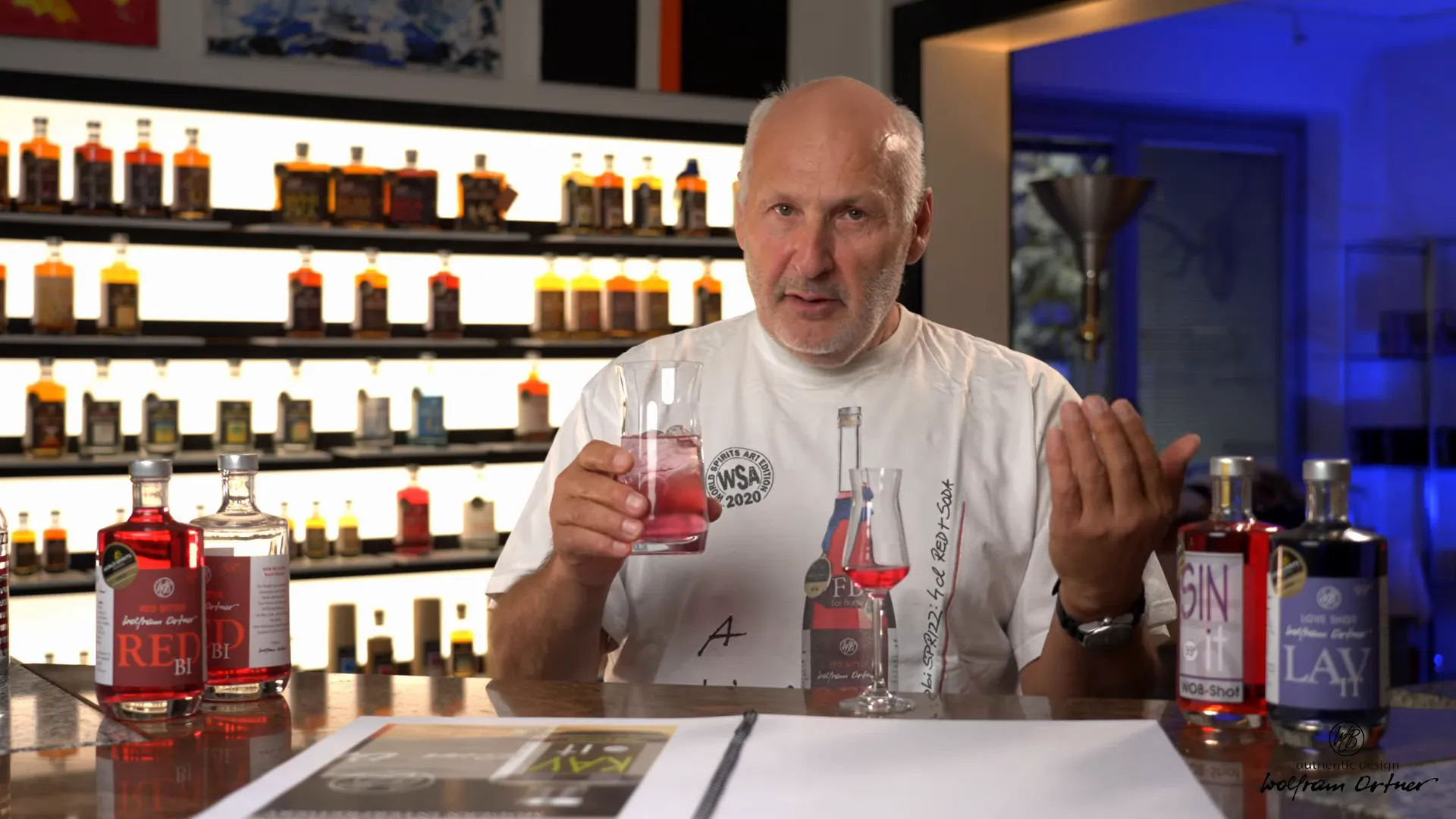
Close-up of a bottle labeled Red:Bi — the Campari-Alternative from WOB

Introduction: An homage and a rethink

Wolfram Ortner frames WOB Red:Bi the Campari-Alternative as both an homage and a reinvention. He acknowledges the lineage—Campari is a reference point for red, bitter aperitifs—but insists that WOB's approach is that of a craft distillery rather than an industrial producer. WOB Red:Bi the Campari-Alternative aims to capture the tonic, bitter, floral, and herbal character familiar to aperitif lovers, while being made according to the smaller-scale, distillation-first methods of a manufactory.

WOB Red:Bi the Campari-Alternative is presented not as a clone but as a reinterpretation. In his presentation, Wolfram stresses that the product is intentionally different in method and harmonics; it is distilled and then rebalanced rather than built primarily from added oils and artificial aromas. That distinction is foundational to understanding the final sensory profile of WOB Red:Bi the Campari-Alternative.

Why a Campari alternative? Philosophy and positioning

Large industrial brands historically rely on maceration of botanicals, aroma concentrates, and flavor oils to create stable, intense red aperitifs. WOB Red:Bi the Campari-Alternative takes the opposite route: it is labor-intensive, born from a distillery's craft mindset. Wolfram explains that the drive was to make something that speaks to the Campari language—bitterness, citrus, and red-hued intensity—while being unmistakably hand-crafted.

WOB Red:Bi the Campari-Alternative is therefore positioned for people who want the aperitif experience but prefer a distilled, man-of-the-craft approach: it’s for bartenders and home enthusiasts who value transparency in production and a subtler, evolving flavor profile instead of industrial continuity. The product celebrates complexity and harmony, trading mass-produced punch for distilled nuance.

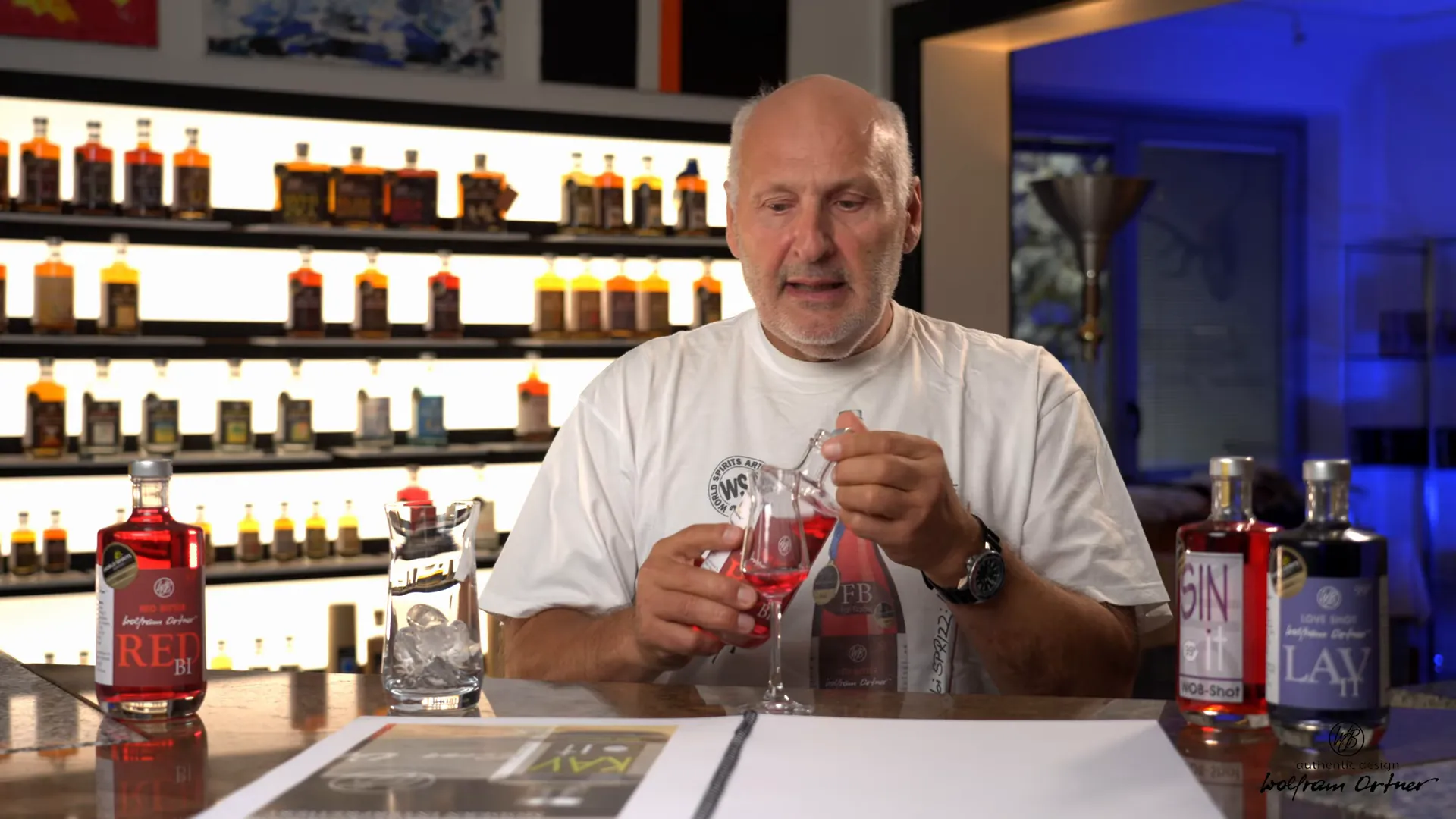
Pouring Red:Bi into a tasting glass — showing color and viscosity

Production: distillation, effort, and expense

Wolfram openly admits that making WOB Red:Bi the Campari-Alternative was exceptionally demanding. He describes it as the most elaborate recipe he had ever attempted in his facility. Distillation is the key differentiator: unlike macerative approaches, distillation removes many oils and some bitter elements; the craft is to reconstruct balance after distillation while preserving aromatic clarity.

That technical choice brings costs—both time and raw-material expense. Wolfram explains plainly that the product’s production costs are high; if the product were priced purely for production cost recovery, it would be prohibitively expensive. The choice to maintain a fair retail price reflects a commitment to accessibility while absorbing some of the production premium internally.

WOB Red:Bi the Campari-Alternative’s distillation-based method also brings a different aromatic architecture. Where oils in industrial products offer immediate, bold aromas and mouthcoating textures, WOB Red:Bi the Campari-Alternative offers a fresher, more volatile aromatic profile that evolves in the glass. This requires readjusting how the product is served and experienced: it rewards gentle presentation and time to open up.

How to drink WOB Red:Bi the Campari-Alternative

Wolfram outlines simple yet thoughtful serving options for WOB Red:Bi the Campari-Alternative. He recommends experiencing the spirit in multiple ways to understand its character:

  1. Neat or in a tasting glass (a small measure) to inspect aroma and bitterness directly.
  2. As a long drink with soda: this is Wolfram's personal favorite.
  3. Over a single large ice cube to gently dilute and time-release the flavor.

Key rules for serving WOB Red:Bi the Campari-Alternative:

  • Use plain, neutral soda water. Avoid mineral waters with strong mineral or sodium character that would compete with the delicate harmonics.
  • Serve the soda very cold. Wolfram emphasizes that the soda should be “very very cold” to preserve effervescence and deliver the right balance of acidity and freshness.
  • Recognize that the product is rosy in color, which is part of the aesthetic and emotional appeal in an aperitif glass.

A glass of Red:Bi served with soda and a wedge of citrus — presentation idea

Wolfram also discusses the sensory consequences of distillation: because WOB Red:Bi the Campari-Alternative is distilled, some of the bitter compounds don’t carry over in the same way as maceration. That meant he had to reintroduce bitter elements in a measured, post-distillation fashion to achieve the desired bitterness. The result is a balanced bitterness set within a broader, layered aromatic field that he describes as a “total harmony.”

Why dilute? Why soda?

The distillation-dependent aromatics are typically more volatile and might seem “thin” at high proof if tasted neat. Dilution with ice or cold soda opens the aroma and integrates bitterness and acidity. Soda softens the spirit while preserving brightness, which is essential for WOB Red:Bi the Campari-Alternative. Wolfram prefers soda because it allows the drink to lengthen and evolve in the glass—an important part of the experience.

WOB-Shots: LAV and SIN — two little bottles, two strong concepts

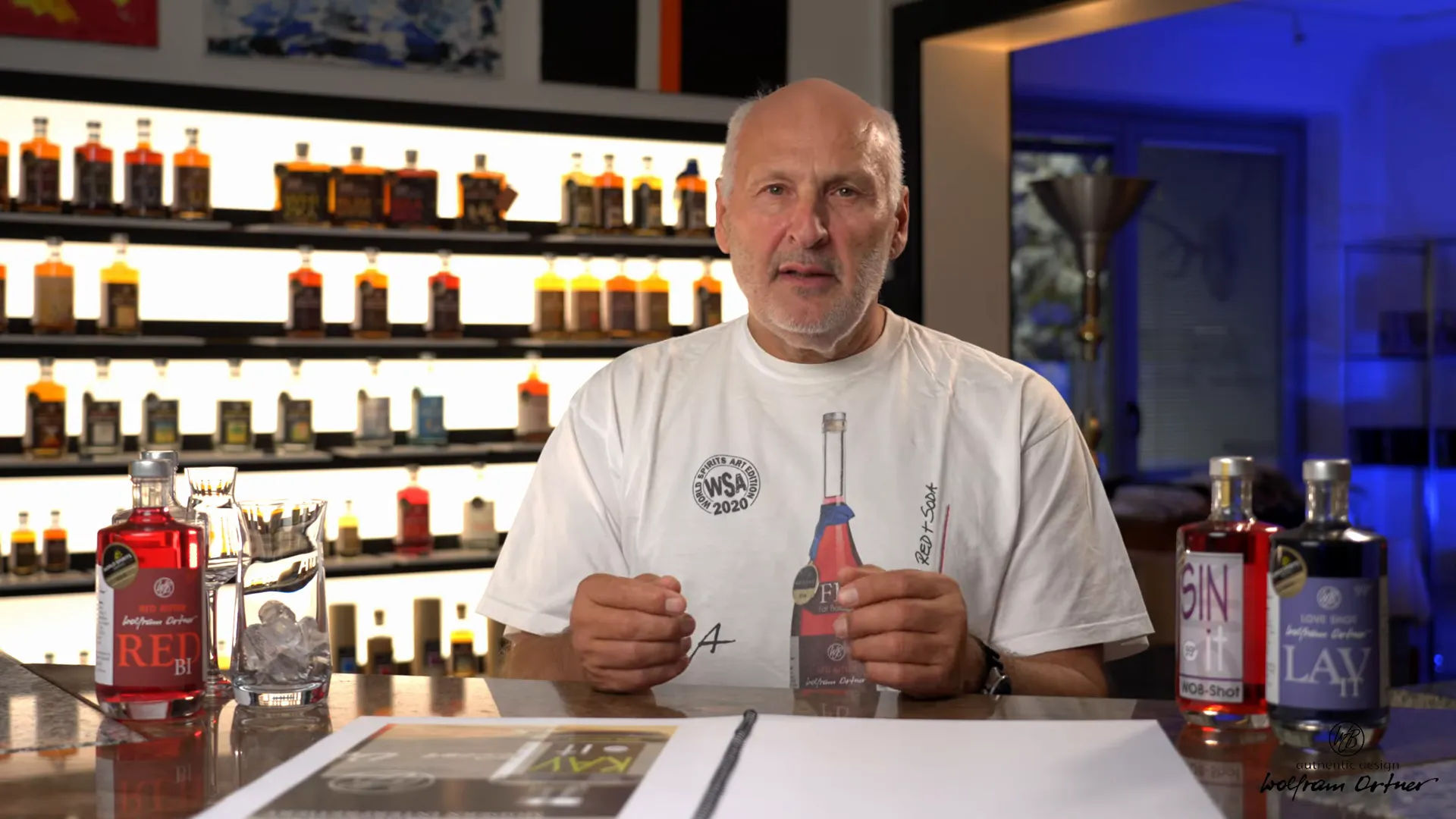
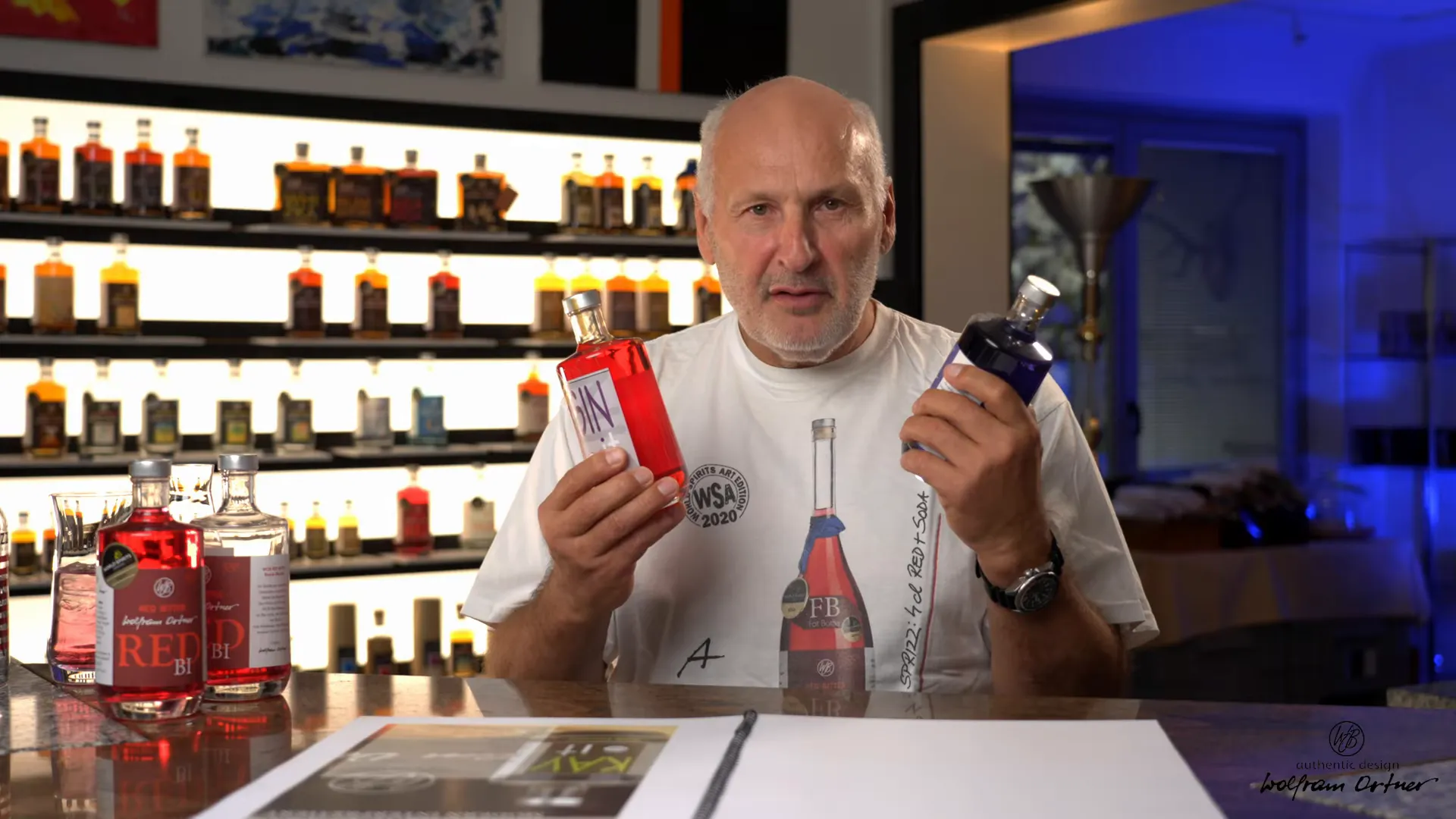
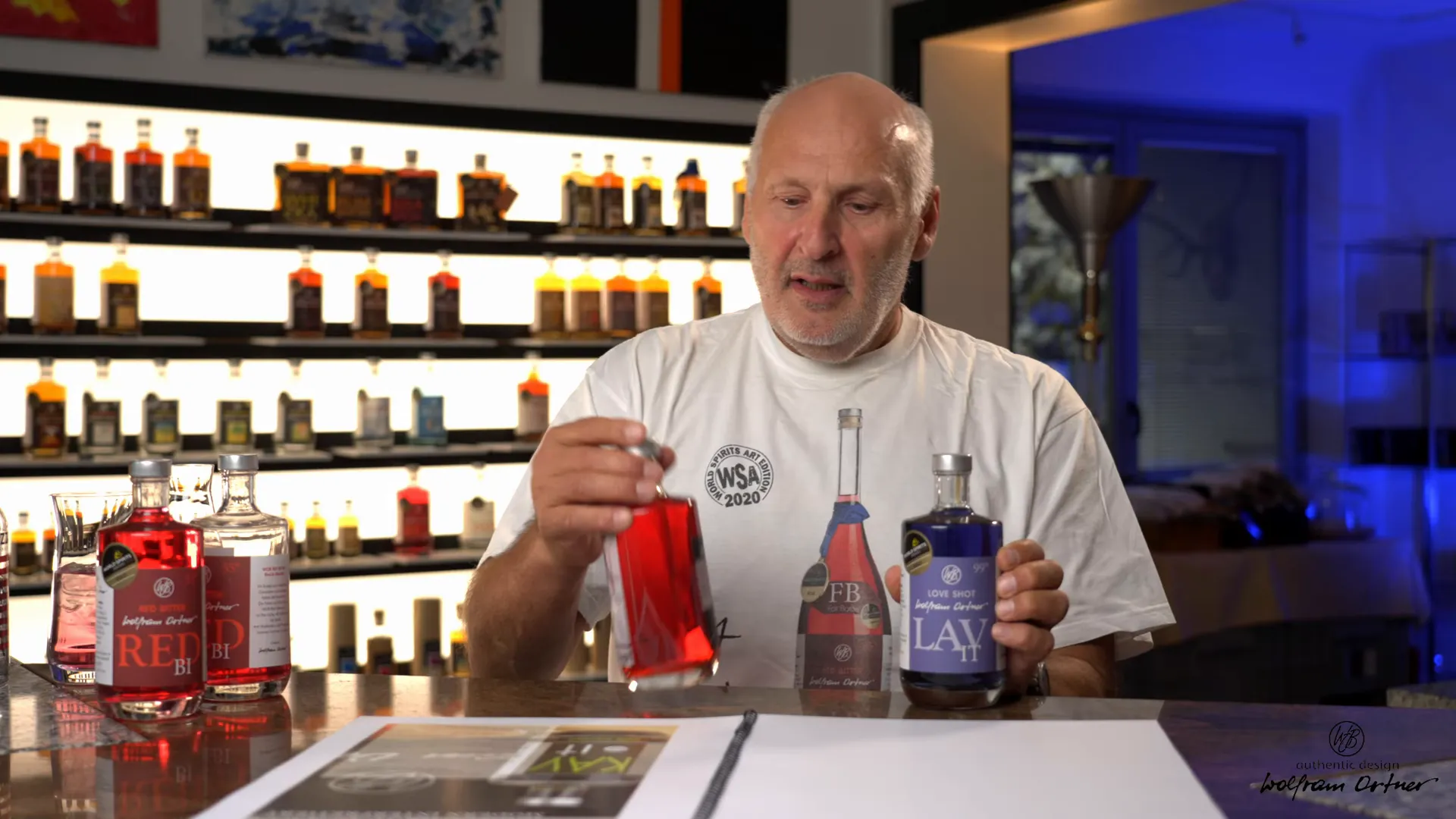
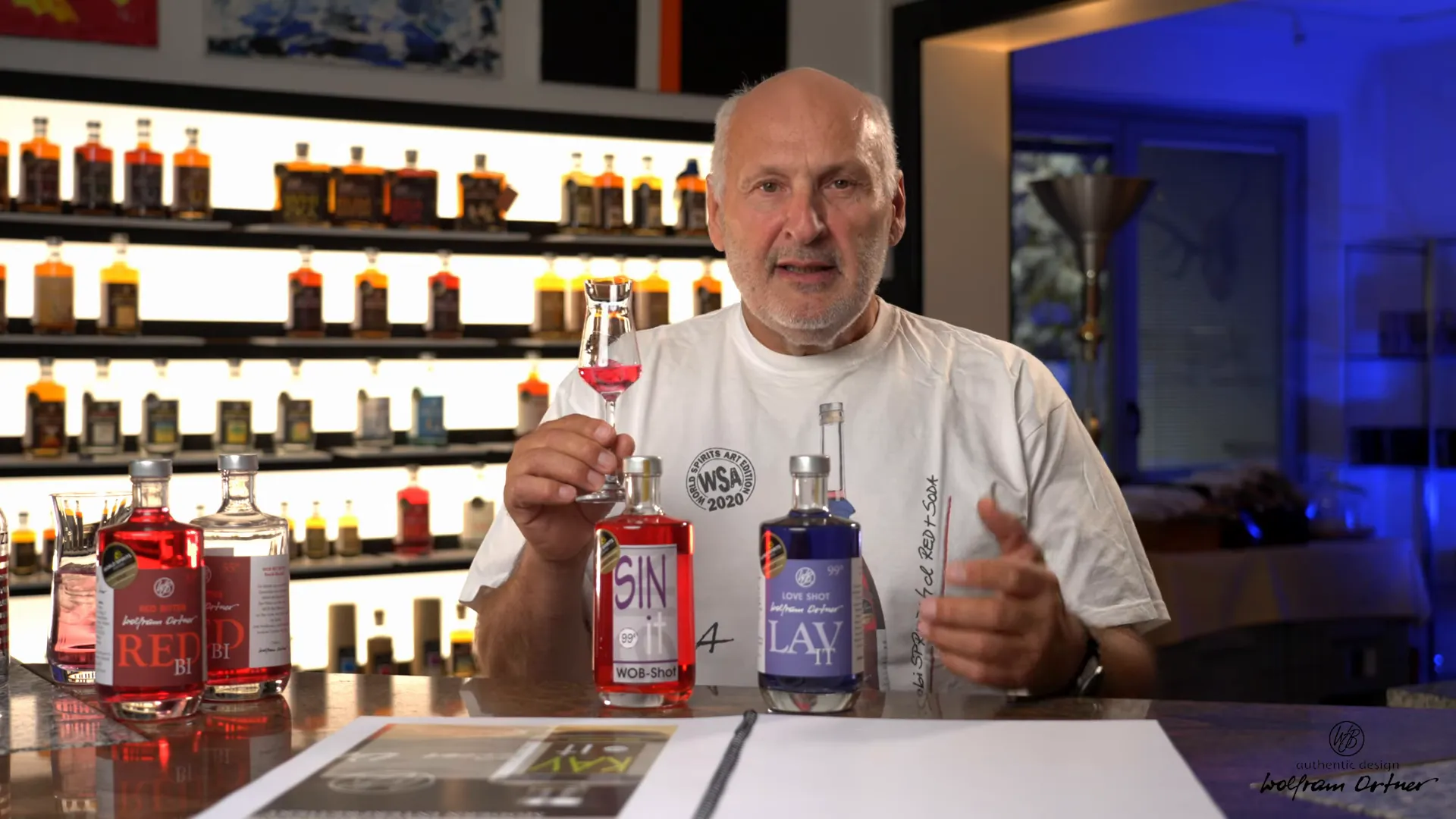
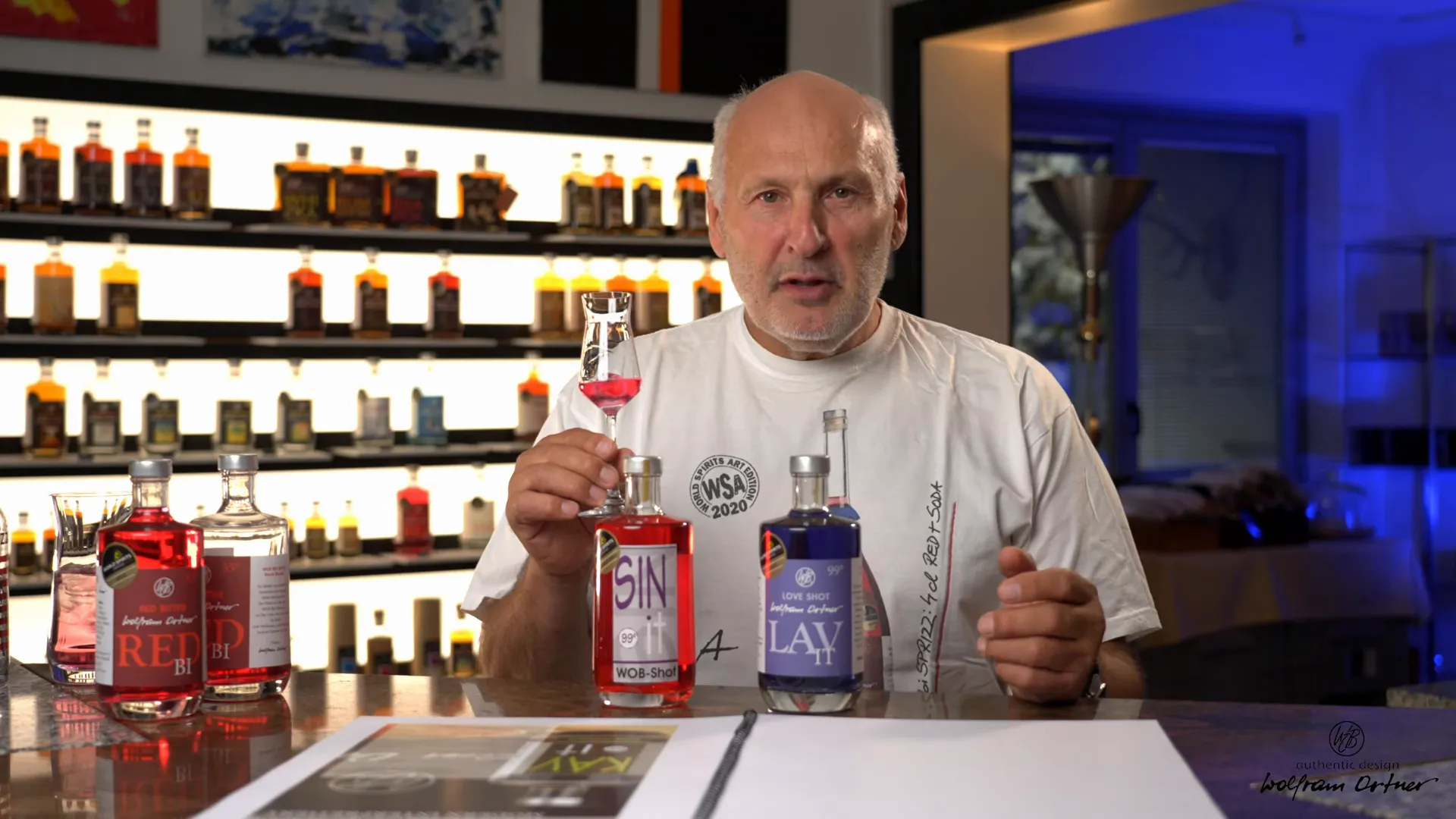
Alongside WOB Red:Bi the Campari-Alternative, Wolfram introduces two compact products called WOB-Shots. These are concentrated flavor shots intended as small, intensely flavored indulgences. The two variants—LAV and SIN—are conceived with contrasting inspirations: one Mediterranean and fresh, the other oriental and warm.

Two WOB-Shots bottles side by side: LAV (Mediterranean) and SIN (Oriental)

LAV — Mediterranean freshness

LAV (short for Lavendel-inspired) is described as bright and fresh, built around citrus notes, peppermint, and a whisper of lavender. The resulting profile is lively, herbal, and aromatic. The lavender is subtle and never dominates; it’s a thread that ties together citrus and mint into a cohesive Mediterranean bouquet.

Wolfram emphasizes that LAV's appeal also channels an emotion: "love." He suggests that while lavender is present, the product's charm comes from a delicate, appealing balance—something meant to be sipped and enjoyed rather than bombed like a mass-market shooter.

SIN — oriental intensity

SIN is the darker sibling: oriental-inspired, warm, and aromatic. Tonka bean, anise, and clove are the prominent voices. These ingredients give SIN a sensual, spicy, and slightly sweet warmth that Wolfram associates with passion and seduction. He frames SIN as the "sinful" choice, with a personality leaning toward deeper spiced notes.

The positioning is playfully gendered in his presentation: LAV is often marketed toward women, with its floral-fresh approach; SIN is pitched toward men because of its heavier, warmer spice profile. This isn’t a prescriptive rule, but rather an observation of how some flavor preferences map in the marketplace.

Close-up of LAV shot ingredient list showing citrus and lavender accents

How to use the WOB-Shots

WOB-Shots are intentionally versatile. They can be consumed as concentrated “small shots” or used as flavor enhancers in longer drinks. Wolfram suggests two primary serving approaches:

  1. Add a few drops to a glass of soda or tonic for a flavor lift and aroma-focused spritz.
  2. Serve a tiny measure over ice to let a slowly melting cube dilute and extend the drinking time—this softens intensity and facilitates prolonged enjoyment.

Their concentrated design means only a few drops are needed to impart a clear flavor identity. That makes them perfect for experimenting with layering in cocktails, adding finishing accents, or creating signature long drinks with minimal effort.

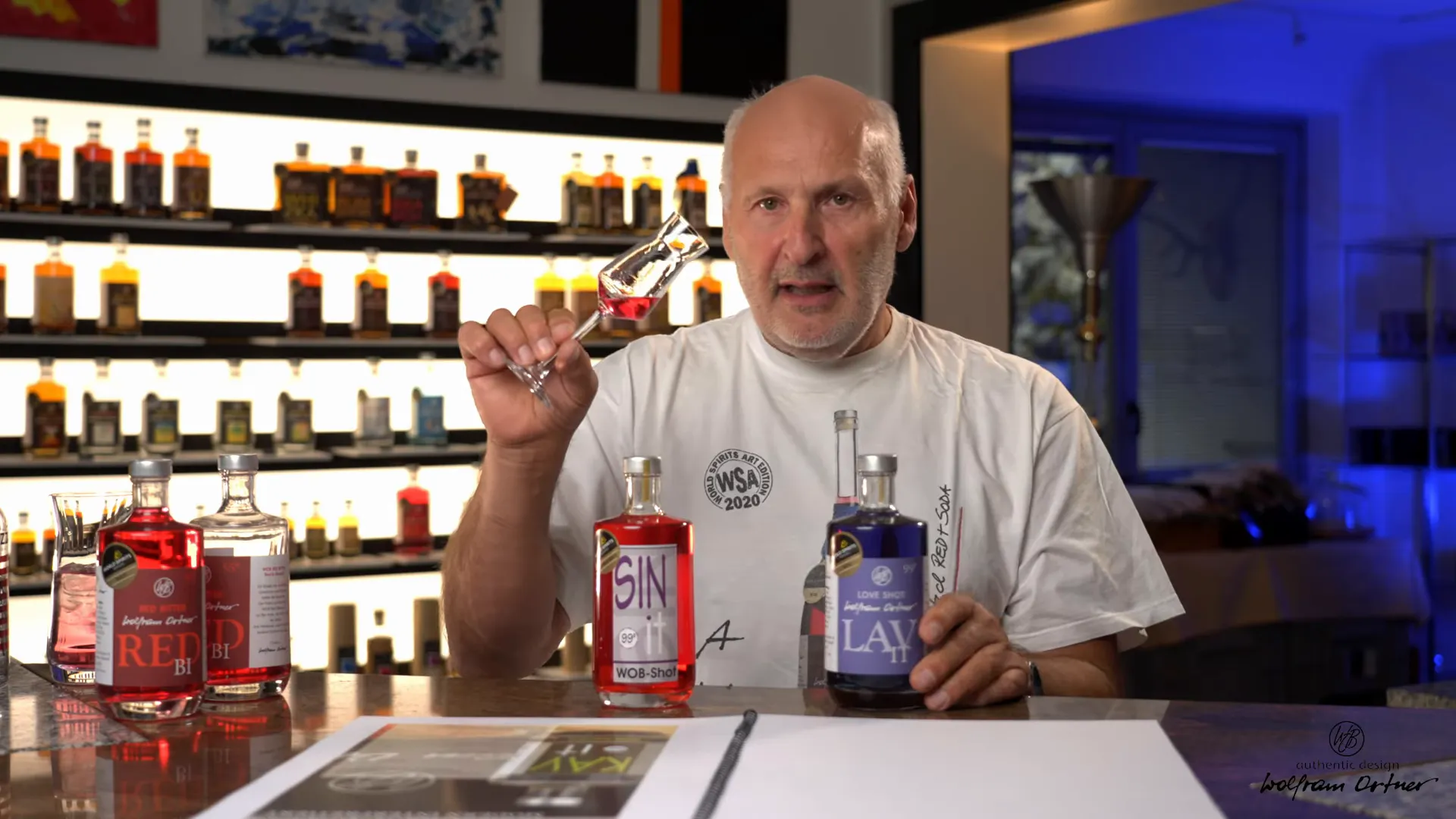
A small shot of SIN poured over a single large ice cube — serving suggestion

Tasting notes: detailed sensory descriptions

WOB Red:Bi the Campari-Alternative

  • Aroma: Bright citrus top notes, aromatic herbs, subtle floral lift, and a restrained bitterness. The distillation gives high-toned aromatics that open when slightly diluted.
  • Palate: Initially fresh and citrusy, unfolding into bitter herbaceousness and a rounded mouthfeel. Because of careful post-distillation bittering, the bitterness is balanced and integrated rather than aggressive.
  • Finish: Clean, slightly drying, with a lingering herbal echo and pleasant red-aperitif warmth.

LAV (WOB-Shot)

  • Aroma: Zesty citrus, minty coolness, light floral lavender whisper.
  • Palate: Crisp, aromatic, and refreshing. LAV is bright and ideal for daytime spritz-style long drinks.
  • Finish: Quick and clean with a cooling sensation from the mint and a soft floral backnote.

SIN (WOB-Shot)

  • Aroma: Warm tonka, anise licorice, and clove spice, with a rich, enveloping scent.
  • Palate: Full-bodied spice presence, sweet-bitter interplay, sensual depth suited to evening sipping or dessert pairings.
  • Finish: Lingering warmth and spice, with an accessible sweetness from tonka bean.

Serving and pairing ideas

WOB Red:Bi the Campari-Alternative

  • Classic spritz: 1 part Red:Bi, 2–3 parts very cold soda, garnish with orange twist. Use a large wine glass and very cold soda water to keep the drink refreshing and aromatic.
  • Over ice: One large cube, 30–40 ml Red:Bi, a long stir and time to open. The slow melt extends the enjoyment.
  • Cocktails: Substitute in any Campari-based recipe to explore a subtler, distillation-driven bitterness (e.g., Negroni experiments with lower bitterness ratio).

LAV

  • Daytime spritz variant: Add a few drops to soda or sparkling wine for a floral-mint lift.
  • Mixology accent: A few drops in a gin fizz or citrus-forward cocktail can add aroma and complexity.

SIN

  • Digestif mood: A few drops on a small ice cube after a meal for warmth and spice.
  • Dessert pairing: Works well with chocolate, almond pastries, and spiced desserts thanks to tonka and clove.

Serving suggestion: Red:Bi poured over a large ice cube to slowly release aromatics

Commercial notes: availability and ordering

Wolfram mentions that consumers can order WOB Red:Bi the Campari-Alternative and the WOB-Shots directly from the WOB shop. He highlights two shopping options: the WOB online shop and a local shop in Bad Kleinkirchheim (the Brennerei's storefront). The bottles are positioned as specialty items, so availability can be limited compared to mass-market aperitifs.

Because production is artisanal and resource-intensive, supply may be more constrained and seasonal. Interested buyers should expect small-batch offerings and occasional sell-outs. Wolfram suggests ordering promptly if a particular release or shot variant is of interest.

Why WOB Red:Bi the Campari-Alternative matters

WOB Red:Bi the Campari-Alternative matters because it offers a different answer to the same question: how do you make a red, bitter aperitif that sits well in modern cocktails and spritzes? The answer here is craft distillation followed by careful rebalancing—an approach that favors aromatic precision and harmonic integration over industrial intensity.

Wolfram’s candid description of the effort involved underscores the values behind the brand: careful ingredient selection, technical distillation choices, and a willingness to absorb production cost implications to keep the product accessible. For bartenders and enthusiasts, WOB Red:Bi the Campari-Alternative is an invitation to taste a red aperitif that rewards slow appreciation and experimentation.

Conclusion

WOB Red:Bi the Campari-Alternative and the accompanying WOB-Shots (LAV and SIN) present a focused range of handcrafted flavor experiences. WOB Red:Bi the Campari-Alternative reimagines a red aperitif through distillation and harmony, while the WOB-Shots explore concentrated flavor accents in compact formats. Together they reflect Wolfram Ortner’s craft ethos: high effort, careful balancing, and a clear intention to make drinks that invite curiosity and repeated tasting.

For people who love to explore aperitifs beyond industrial templates, WOB Red:Bi the Campari-Alternative offers an accessible yet sophisticated path—best enjoyed slowly, over soda, or as a catalyst for creative cocktailing. LAV and SIN provide quick avenues to broaden a bar's aroma palette with only a few drops.

WOB product lineup displayed on a wooden bar surface — bottles of Red:Bi and WOB-Shots

Final remarks

WOB Red:Bi the Campari-Alternative represents a thoughtful, distilled approach to red aperitifs: careful, costly, and rewarding to the curious palate. Paired with the compact intensity of WOB-Shots like LAV and SIN, it expands what bartenders and home enthusiasts can do with aperitif moments. Whether used to replace a familiar ingredient or to add a new aroma dimension, WOB Red:Bi the Campari-Alternative invites experimentation and slow appreciation.

For those who value craft, transparency, and flavor complexity, these products are worth seeking out—especially when served cold, slowly, and with the intention to savor.

FAQ - Häufig gestellte Fragen

  • Who is behind WOB Red:Bi the Campari-Alternative?

    WOB Red:Bi the Campari-Alternative and the WOB-Shots are the products of Wolfram Ortner’s Brennerei and the Inside World-Spirits TV project. The work reflects the distillery’s commitment to artisanal craft and creative reinterpretation of classic spirit categories.

  • Do WOB-Shots contain allergens like nuts or tonka’s coumarin?

    Ingredients like tonka bean are aromatic and can have legal/regulatory considerations in some jurisdictions. Consumers with allergy concerns or dietary restrictions should consult product labels and the producer for detailed allergen and ingredient information prior to purchasing.

  • How should one store WOB Red:Bi the Campari-Alternative and WOB-Shots?

    Store them upright in a cool, dark place away from direct sunlight. Because the products are aromatic distillates, they are stable, but long-term storage in heat or sunlight can alter delicate top notes over time.

  • Can WOB Red:Bi the Campari-Alternative replace Campari in classic cocktails?

    Yes, it can be used as an alternative in classic Campari cocktails. The taste profile will differ—expect a more distilled aromatic lift and a softer bitterness—but that can be fascinating to explore. Adjust sugar or vermouth ratios if you want to match the intensity usually produced by Campari.

  • Are these products widely available?

    As artisanal, small-batch products, availability can be limited. WOB Red:Bi the Campari-Alternative and WOB-Shots are sold through the WOB online shop and the local Brennerei shop in Bad Kleinkirchheim. They may occasionally sell out between production runs.

  • How much of a WOB-Shot should be used in a drink?

    These shots are potent; usually only a few drops are necessary to flavor a glass. For a long drink, start with 2–5 drops, then adjust to taste. Overdosing can overwhelm the base beverage because the formulations are concentrated.

  • What are WOB-Shots and how do LAV and SIN differ?

    WOB-Shots are concentrated flavor shots designed for small servings or as cocktail accents. LAV is Mediterranean: citrus, mint, and subtle lavender. SIN is oriental: tonka bean, anise, and clove, leaning toward warm spice and sensuality.

  • How should one serve WOB Red:Bi the Campari-Alternative?

    Recommended servings include neat tastings in a small glass, long drinks with very cold neutral soda, and drinks over a single large ice cube. Cold soda should be neutral in flavor (not strongly mineralized) to avoid competing with the spirit’s delicate harmonics.

  • How is WOB Red:Bi the Campari-Alternative different from Campari?

    While both belong to the red aperitif tradition, the main difference is production method and resulting aromatic structure. Campari and similar industrial products often rely on maceration and added aromas, which produce bold, oil-rich profiles. WOB Red:Bi the Campari-Alternative is distilled, which emphasizes volatile aromatic clarity; bitter elements are reintroduced in a measured way to achieve balance.

  • What is WOB Red:Bi the Campari-Alternative?

    WOB Red:Bi the Campari-Alternative is a handcrafted red aperitif inspired by the Campari flavor family. It is produced using distillation as the central production technique rather than predominantly oil-based maceration. The result is a different aromatic profile that emphasizes harmony, freshness, and an integrated bitterness.

Sesorisches Wissen Kompakt - IWS.TV Fibel

WOB Story Wolfram Ortner: Ein Rückblick auf 35 Jahre Innovation

Die WOB Story Wolfram Ortner bietet einen faszinierenden Einblick in die letzten 35 Jahre der Unternehmensgeschichte. Von den Anfängen im Jahr 1989 bis hin zu den innovativen Entwicklungen in den Bereichen Destillation und Spirituosen – diese Geschichte wird in einer Reihe von Videoclips lebendig gemacht.

Ein herzliches Willkommen zur WOB Story

Wir freuen uns, Sie zur WOB Story Wolfram Ortner begrüßen zu dürfen. Diese Reise durch die letzten 35 Jahre ist nicht nur ein Rückblick, sondern auch eine Feier der Innovation und des Fortschritts in der Branche. Jeder Schritt, den wir gemacht haben, ist ein Teil dieser faszinierenden Geschichte.

Was ist die WOB Story?

Die WOB Story ist eine umfassende Erzählung über die Entwicklung und die Errungenschaften von Wolfram Ortner und seinem Team. Sie zeigt, wie sich das Unternehmen seit seiner Gründung im Jahr 1989 ständig weiterentwickelt hat, um an der Spitze der Branche zu bleiben. Diese Geschichten sind in verschiedenen Formaten aufbereitet und laden dazu ein, die Meilensteine und Herausforderungen zu erkunden, die wir überwunden haben.

Rückblick auf 35 Jahre Innovation

In den letzten 35 Jahren hat sich viel verändert. Die WOB Story Wolfram Ortner dokumentiert nicht nur technologische Fortschritte, sondern auch die kreativen Ansätze, die wir verfolgt haben. Innovation war immer unser Hauptanliegen, und wir haben ständig nach neuen Wegen gesucht, um unsere Produkte zu verbessern und zu diversifizieren.

Der Beginn im Jahr 1989

Im Jahr 1989 begann unsere Reise mit einer klaren Vision und dem Wunsch, die Branche zu revolutionieren. Die ersten Schritte waren bescheiden, aber leidenschaftlich. Wir haben uns auf die Herstellung von hochwertigen Destillaten spezialisiert und uns schnell einen Namen gemacht.

Screenshot vom Beginn der WOB Story 1989

Innovationen im Destillationsbereich

Die Destillation ist das Herzstück unserer Produktion. Über die Jahre haben wir zahlreiche Techniken und Technologien entwickelt, die es uns ermöglichen, außergewöhnliche Aromen und Qualitäten zu erzielen. Unsere Innovationskraft hat uns nicht nur in der Branche einen Namen gemacht, sondern auch dazu beigetragen, die Standards für Qualität und Reinheit zu erhöhen.

  • Einführung neuer Destillationsmethoden
  • Optimierung der Produktionsprozesse
  • Entwicklung einzigartiger Aromenprofile

Entwicklungen im Bereich Spirituosen

Die Entwicklung im Bereich Spirituosen ist ein weiterer wichtiger Aspekt unserer Geschichte. Wir haben nicht nur neue Produkte eingeführt, sondern auch bestehende Rezepturen verfeinert. Die Verschmelzung von Tradition und Innovation hat uns ermöglicht, Produkte zu kreieren, die sowohl bei Kennern als auch bei neuen Verbrauchern beliebt sind.

  1. Launch von Premium-Spirituosen
  2. Erweiterung der Produktpalette
  3. Fokus auf Nachhaltigkeit und Qualität

Die Vielfalt der Zigarren und Zigarestillate

Zigarren und Zigarestillate sind nicht nur Produkte, sondern auch Kunstwerke, die mit Leidenschaft und Hingabe hergestellt werden. Die WOB Story Wolfram Ortner beleuchtet die verschiedenen Facetten dieser faszinierenden Welt.

Die Auswahl an Zigarren ist beeindruckend. Von handgerollten Meisterwerken bis hin zu industriell gefertigten Varianten – jede Zigarre erzählt ihre eigene Geschichte. Zudem sind die unterschiedlichen Aromen und Geschmäcker, die mit Zigarestillaten verbunden sind, ein Grund, warum sie bei Kennern so beliebt sind.

Vielfalt der Zigarren und Zigarestillate

Die Kunst der Zigarrenherstellung

Die Herstellung von Zigarren erfordert handwerkliches Geschick und viel Erfahrung. Die Auswahl des Tabaks, die Verarbeitung und das Rollen sind entscheidend für die Qualität des Endprodukts. Jeder Schritt wird sorgfältig durchgeführt, um ein perfektes Raucherlebnis zu gewährleisten.

  • Auswahl der besten Tabakblätter
  • Traditionelle Rolltechniken
  • Reifung und Lagerung für optimale Aromen

Die Verbindung zu Zigarestillaten

Zigarestillate ergänzen das Erlebnis der Zigarre perfekt. Sie bieten eine breite Palette an Geschmäckern, die von fruchtig bis würzig reichen. Diese Kombination ist ideal für Genießer, die das volle Aroma der Zigarren genießen möchten.

  1. Entwicklung spezieller Zigarestillate
  2. Verfeinerung der Aromen zur Ergänzung der Zigarren
  3. Kreation neuer Geschmackserlebnisse

Szenische Aufbereitung der WOB Story

Im Rahmen der WOB Story Wolfram Ortner wird die Geschichte in einer Vielzahl von Videoclips lebendig gemacht. Diese Clips sind in verschiedene Akte unterteilt und bieten einen umfassenden Überblick über die Entwicklung des Unternehmens.

Die szenische Aufbereitung ermöglicht es den Zuschauern, sich in die einzelnen Phasen der Unternehmensgeschichte hineinzuversetzen. Jedes Video ist sorgfältig produziert, um die wichtigsten Momente und Innovationen hervorzuheben.

Die Struktur der Videoclips

Die Videoclips sind in 25 Akte unterteilt. Jeder Akt beleuchtet einen bestimmten Aspekt der Unternehmensgeschichte, von den Anfängen bis hin zu den neuesten Entwicklungen. Diese Struktur ermöglicht es den Zuschauern, gezielt die Themen zu finden, die sie interessieren.

  • Akt 1: Die Gründung des Unternehmens
  • Akt 5: Technologische Innovationen
  • Akt 10: Nachhaltigkeit in der Produktion

Die Videoclips: Von Akt 1 bis Akt 25

Die Videoclips sind eine zentrale Komponente der WOB Story. Sie bieten nicht nur Informationen, sondern auch visuelle Eindrücke, die die Geschichte lebendig machen. Von der Gründung bis zu den neuesten Produkten wird jede Phase detailreich dargestellt.

Highlights der einzelnen Akte

Jeder Akt hat seine eigenen Highlights. Diese reichen von bedeutenden Meilensteinen bis hin zu innovativen Produkten. Es ist faszinierend zu sehen, wie sich die Vision von Wolfram Ortner über die Jahre entwickelt hat.

  1. Akt 1: Die Vision von 1989
  2. Akt 15: Einführung neuer Produkte
  3. Akt 25: Zukunftsvisionen

Wo kann man die Videos finden?

Die Videos der WOB Story sind auf verschiedenen Plattformen verfügbar. Zuschauer können die Clips auf der offiziellen Website iwsv, der wop.ad-Seite oder auf YouTube finden. Diese Zugänglichkeit ermöglicht es einer breiten Öffentlichkeit, die Geschichte von Wolfram Ortner zu erleben.

Links zu den Plattformen

Hier sind einige nützliche Links, um die WOB Story Wolfram Ortner zu entdecken:

Aufruf zur Unterstützung

Die WOB Story Wolfram Ortner ist nicht nur ein Rückblick, sondern auch ein Aufruf zur Unterstützung. Die Entwicklung und die Innovationen, die wir in den letzten 35 Jahren erreicht haben, sind das Ergebnis harter Arbeit und Leidenschaft.

Wir laden alle ein, die Videos anzusehen, sie zu teilen und uns Feedback zu geben. Ihre Unterstützung hilft uns, weiterhin innovativ zu sein und unsere Geschichten mit der Welt zu teilen.

FAQ - Häufig gestellte Fragen

  • Wie viele Videos gibt es in der WOB Story?

    • Es gibt insgesamt 25 Akte, die verschiedene Aspekte der Unternehmensgeschichte beleuchten.
  • Wo kann ich die Videos ansehen?

    • Die Videos sind auf iwsv, wop.ad und YouTube verfügbar.
  • Kann ich die Videos teilen?

    • Ja, wir ermutigen alle, die Videos zu teilen und ihre Meinungen zu äußern.

Sesorisches Wissen Kompakt - IWS.TV Fibel

WOB Story: Replica and Preview of the Master Distiller in 30 Acts

The Wolfram Ortner distillery, established in 1989, has been at the forefront of innovation in the spirit industry for over three decades. This blog takes a deep dive into the highlights and milestones of the distillery's journey, showcasing its unique contributions and developments in distillates and beyond.

Introduction to the Wolfram Ortner Distillery

The Wolfram Ortner distillery is not just a name; it's a legacy. Established in 1989, it symbolizes a commitment to quality, craftsmanship, and innovation in the world of spirits. Over the years, the distillery has evolved, pushing boundaries and redefining standards in the industry.

From its humble beginnings, Wolfram Ortner has become synonymous with exceptional distillates and pioneering techniques. The passion for distilling is evident in every product, with a focus on enhancing flavors and creating unique experiences for consumers.

The Beginning: Establishment in 1989

The year 1989 marked a significant milestone in the spirit industry with the inception of the Wolfram Ortner distillery. Founded by Wolfram Ortner himself, the distillery started with a vision: to produce high-quality spirits that reflect the essence of the region.

Initially, the distillery focused on traditional methods, ensuring that each product was crafted with care and attention to detail. This commitment laid the groundwork for what would become a renowned establishment in the world of distillation.

Wolfram Ortner distillery establishment year 1989

Commitment to Innovation

Innovation has been a cornerstone of the Wolfram Ortner distillery since its inception. The founders understood that to stay relevant in the competitive spirits market, they needed to continuously evolve. This meant not only refining existing products but also exploring new distillation techniques and flavor profiles.

The distillery has invested heavily in research and development, allowing it to stay ahead of trends and consumer preferences. By embracing modern technology while respecting traditional methods, the Wolfram Ortner distillery has created a harmonious balance that appeals to both purists and modern enthusiasts.

Developments in Distillates

Over the years, the Wolfram Ortner distillery has introduced a range of innovative distillates that showcase their expertise. Each product is the result of meticulous craftsmanship, combining unique ingredients with advanced distillation methods.

From fruit brandies to herbal liqueurs, the distillery has expanded its portfolio, appealing to a diverse audience. Notably, the use of locally sourced ingredients ensures that each distillate reflects the character and terroir of the region.

Advancements in Glassware

In addition to distillates, the Wolfram Ortner distillery has made significant strides in glassware design. Understanding the importance of presentation and experience, they have developed unique glassware tailored to enhance the enjoyment of their spirits.

This focus on glassware not only elevates the drinking experience but also demonstrates the distillery's commitment to innovation across all aspects of their product offerings. The design and functionality of each glass have been carefully considered to complement the distinct flavors of their spirits.

Exploring Cigar Distillates

One of the most intriguing developments at the Wolfram Ortner distillery is the introduction of cigar distillates. This innovative approach combines the worlds of fine spirits and premium cigars, creating a unique tasting experience.

The distillery has meticulously crafted these cigar distillates to capture the essence of various cigar profiles. By distilling flavors inherent in cigars, they offer a product that appeals to both cigar aficionados and spirit lovers alike.

Cigar distillates from Wolfram Ortner distillery

A Scenic Presentation of 35 Years

The Wolfram Ortner distillery has embarked on a remarkable journey over the past 35 years, and this story is best told through a series of scenic video presentations. Each act, from Act 1 to Act 25, captures the essence of the distillery's evolution, showcasing its innovations, products, and the craftsmanship that has defined its legacy.

These videos serve not only as a historical account but also as a celebration of the distillery's achievements. Viewers can witness firsthand the passion and dedication that have gone into every aspect of production, from distillation techniques to glassware design.

Scenic presentation of Wolfram Ortner distillery

The Journey through Video Clips

Each video clip offers a glimpse into different facets of the distillery's development. From the early days of the establishment in 1989 to the latest innovations, the clips are a visual feast. They highlight key milestones, introduce the unique products developed over the years, and provide insights into the distillery's philosophy.

These clips are not just informative; they engage the audience by bringing the story to life. The combination of visuals, music, and narrative invites viewers to connect with the brand on a deeper level.

Where to Watch: IWS TV and YouTube

For those eager to dive into the journey of the Wolfram Ortner distillery, the videos are readily accessible. Viewers can find them on wob.at, IWS.TV and YouTube, making it easy to enjoy the rich history and innovative spirit of the distillery from the comfort of their homes.

By sharing these videos across multiple platforms, the distillery ensures that its story reaches a wide audience. Whether you are a long-time fan or new to the brand, these clips provide an engaging way to learn about the distillery's offerings.

Where to watch Wolfram Ortner distillery videos

Encouragement to Engage with Content

As you explore the content, we encourage you to engage with the videos by liking and sharing them. Your support helps spread the word about the Wolfram Ortner distillery and its unique products. Each like and share amplifies the distillery's story, inviting more people to discover its legacy.

Engagement is key to building a community around the distillery. By recommending the videos to friends and fellow spirit enthusiasts, you contribute to the growth and appreciation of the craft that Wolfram Ortner embodies.

Encouragement to engage with Wolfram Ortner distillery content

FAQ - Häufig gestellte Fragen

What makes Wolfram Ortner distillates unique?

The distillates are crafted with a focus on quality and innovation, using locally sourced ingredients that reflect the character of the region.

Sesorisches Wissen Kompakt - IWS.TV Fibel

WOBart Calendar 2025 – A Year with Added Value and "Sea" Value

WOB has adapted its concept for the annual calendar – the theme is "Added Value & Sea Value."

The calendar offers much more than just art: each month features a recipe to try at home, a WOB distillate with detailed descriptions, and a helpful reminder for shopping or ordering – from Coffee Day to Mother’s and Father’s Day, all the way to Halloween.

And then there’s the "Sea Value": personal photos by Wolfram Ortner, taken throughout 2024 along the Dalmatian and Istrian coasts and in the surrounding hinterland.

January kicks off with oysters from the charming village of Mali Ston – a video accompanying this culinary experiment is available on IWS.tv for those curious to explore it.

By the way, the WOB story is also available as a 30-episode video collection on wob.at, where the 2025 calendar can also be ordered. Cheers – to a "successful and healthy 2025"!

Wir benutzen Cookies

Wir nutzen Cookies auf unserer Website. Einige von ihnen sind essenziell für den Betrieb der Seite, während andere uns helfen, diese Website und die Nutzererfahrung zu verbessern (Tracking Cookies). Sie können selbst entscheiden, ob Sie die Cookies zulassen möchten. Bitte beachten Sie, dass bei einer Ablehnung womöglich nicht mehr alle Funktionalitäten der Seite zur Verfügung stehen.