

RUM MANIA - Rums by Wolfram Ortner
The drive behind RUM MANIA - Rums by Wolfram Ortner is simple: a distillery with a long whiskey tradition wanted to flirt with rum for years and finally committed to a serious project. Beginning with curiosity and a stubborn devotion to quality, the team moved from concept to hands-on production in 2016. That year was the moment the experiment began to take lasting form.
The idea that became RUM MANIA - Rums by Wolfram Ortner
The drive behind RUM MANIA - Rums by Wolfram Ortner is simple: a distillery with a long whiskey tradition wanted to flirt with rum for years and finally committed to a serious project. Beginning with curiosity and a stubborn devotion to quality, the team moved from concept to hands-on production in 2016. That year was the moment the experiment began to take lasting form.
Five fermentations, five yeasts, five styles
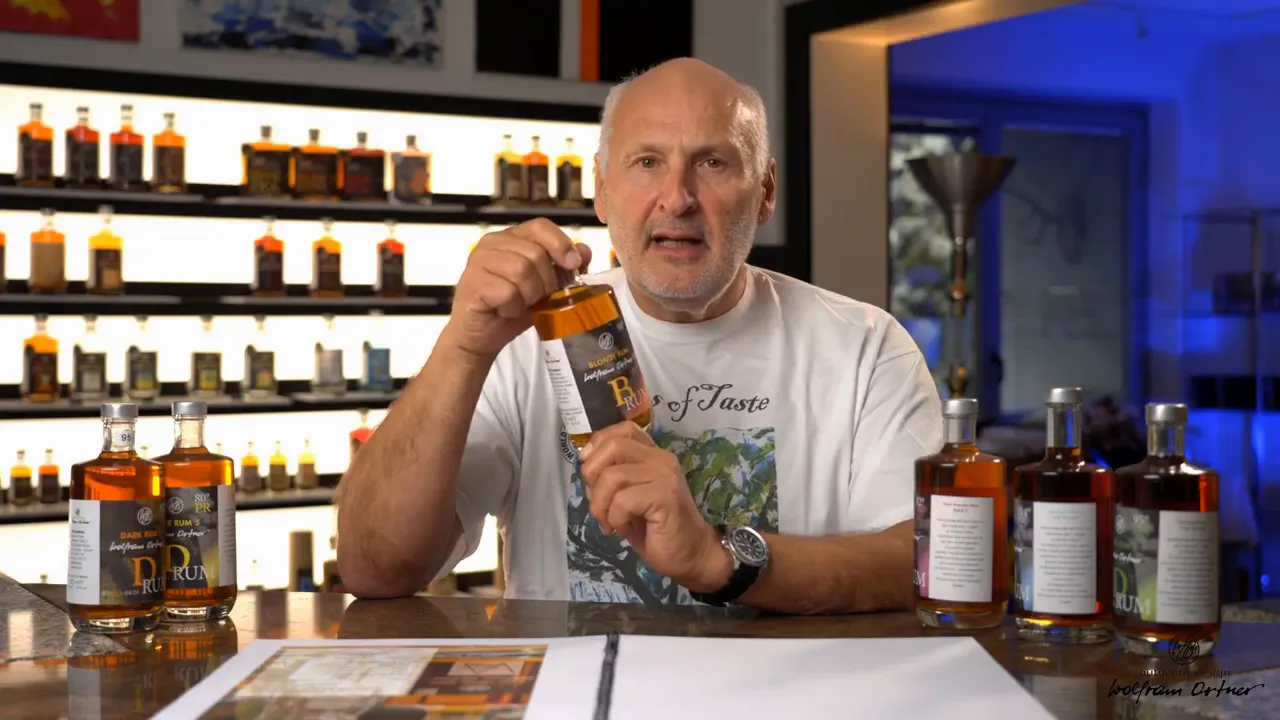
What makes this project stand out is the decision to treat rum production like a laboratory for flavor. Rather than producing a single generic spirit, the distillery filled five fermentation tanks, each using a different yeast strain and a distinct fermentation profile. That approach created five stylistic outcomes from the same base molasses.
Key takeaways from this stage:
- Varied yeast selection drives fermentation aroma and congeners.
- Multiple fermentation ports allow parallel experiments under the same operational window.
- Consistency in base material—using the same molasses—lets one attribute differences to biological and process variables.
These early decisions are why RUM MANIA - Rums by Wolfram Ortner reads as a study in nuance rather than a single-flavor release. Each batch was distilled and then rested in separate vessels for different durations, allowing the team to observe maturation paths before committing to final bottlings.
Light, white, and blond: stylistic decisions
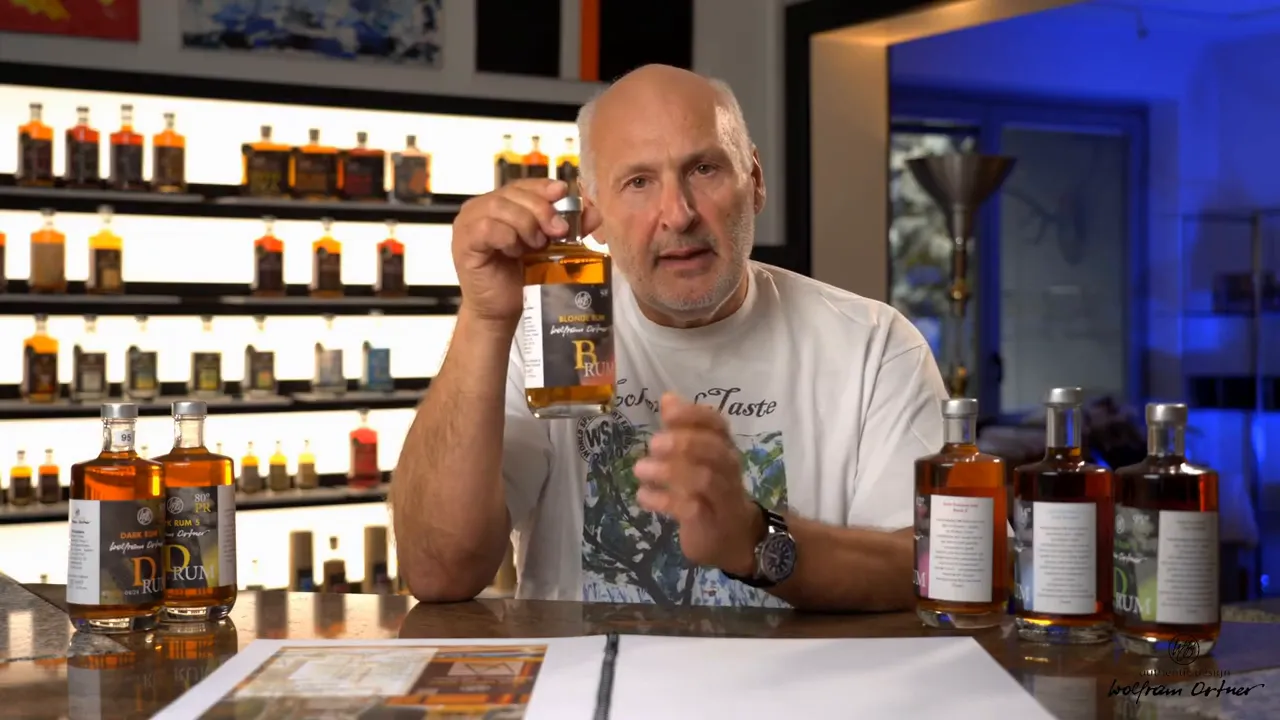
The project produced several fresh expressions. Two of the early highlights were a white rum inspired by Caribbean traditions and a blond rum aged briefly in oak.
The white rum in the lineup was essentially the blond edition filtered with activated charcoal to remove the oak color while retaining much of the refined profile. The blond rum spent one year in oak barrels and developed a gentle influence that some tasters described as having a hint of tequila reposado character—an interplay of wood, fruit, and a light savory tangent.
That dual approach—one expression kept light and Caribbean, the other given a modest barrel influence—demonstrates how tiny changes in treatment can create distinct products within the same project. It also underscores why experimentation was essential to RUM MANIA - Rums by Wolfram Ortner.
From casks to bottles: first releases in 2020
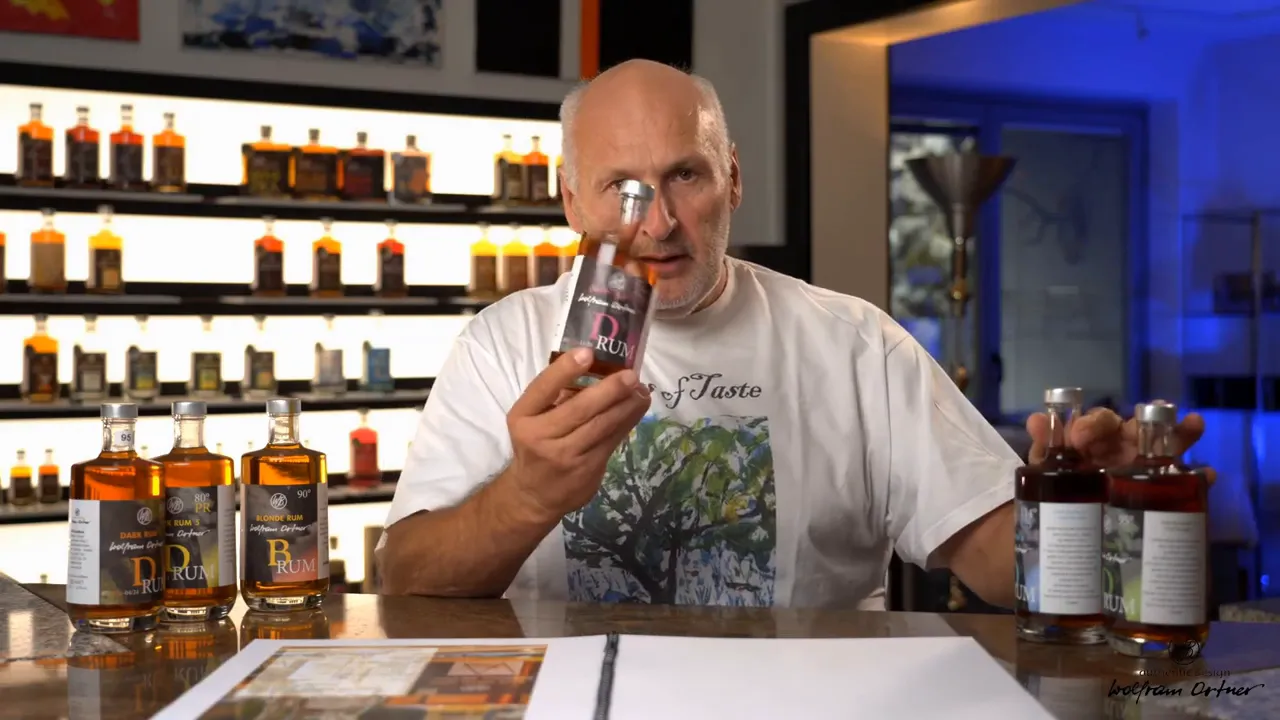
After the initial maturation period, a first commercial release arrived in 2020. Labels on the bottles made it easy for consumers to read the history: the date a spirit went into or came out of the cask was plainly displayed, providing transparency about aging.
The 2020 release included multiple strength presentations:
- Standard strength bottles at 53 percent alcohol by volume.
- Cask strength editions at around 58 percent for selected batches.
Offering drinks at different strengths shows the team’s interest in preserving the spirit’s character at bottling. When bottled at cask strength, the spirit retains the high-concentration aromatics and mouthfeel that can be diluted away. Meanwhile, the standard strength releases preserved accessibility and drinkability for a wider audience. Both approaches appear across the RUM MANIA - Rums by Wolfram Ortner range.
Award recognition and quality signals
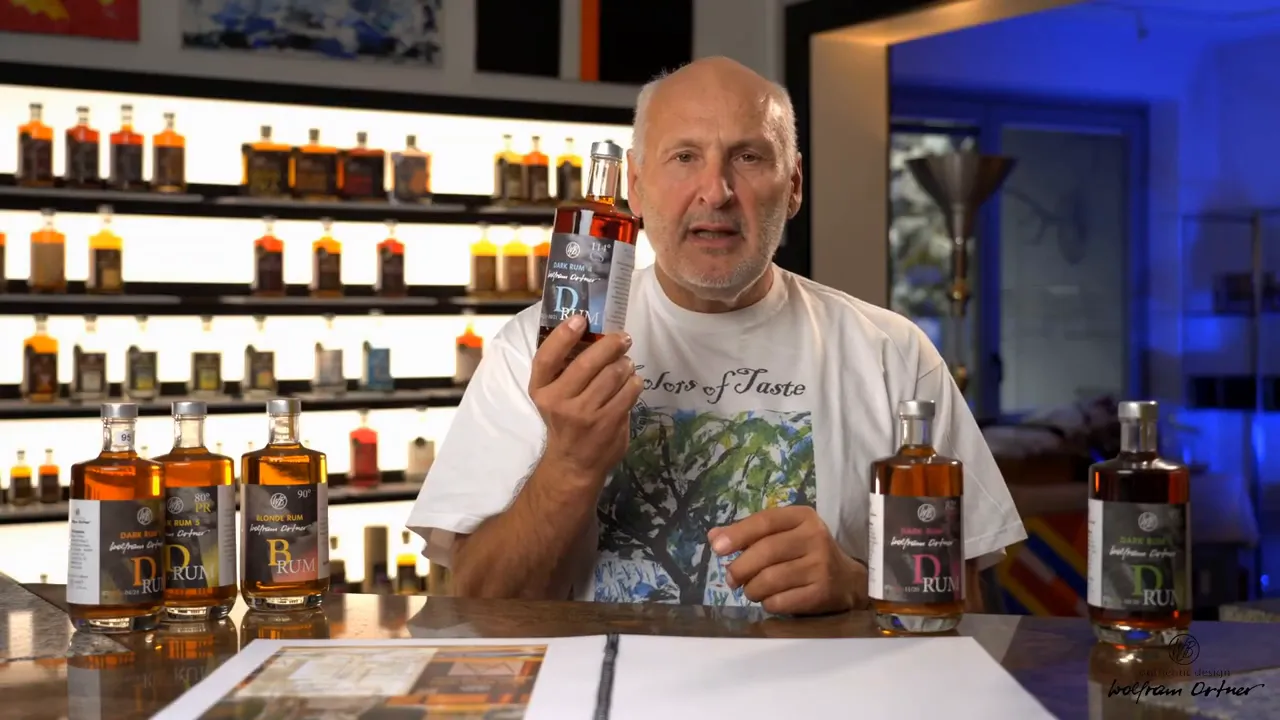
One of the cask-strength editions was recognized at international competitions and earned top distinctions for its category. Awards matter in two ways: they validate the craft decisions made during production, and they raise attention to an unconventional source of rum.
That accolade highlights that high-altitude, temperate distillation can produce world-class results when rigorous fermentation and barrel strategies are applied. The award also helped the distillery communicate that RUM MANIA - Rums by Wolfram Ortner is not novelty but carefully considered craft.
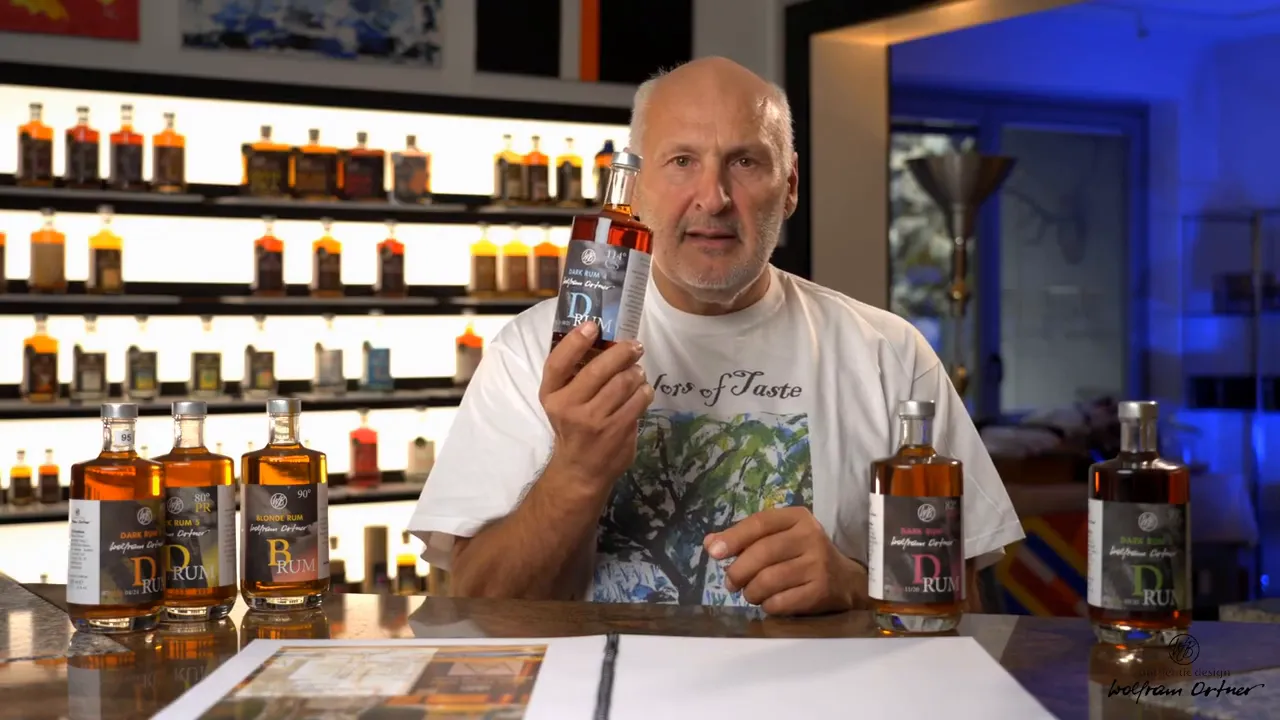
Ten years in the cask: the 2024 release
In 2024 the distillery emptied all the casks and revealed the decade-long story written in wood and spirit. Ten years in cask is a long maturation by any standard and it allowed the flavors to evolve in ways that short-term aging cannot produce.
From those emptied barrels came two notable presentations: a premium ten-year rum and a batch release aged in different woods. Each expression was reduced to a standard 40 percent for bottling. Those choices reflect both aesthetic and scientific considerations.
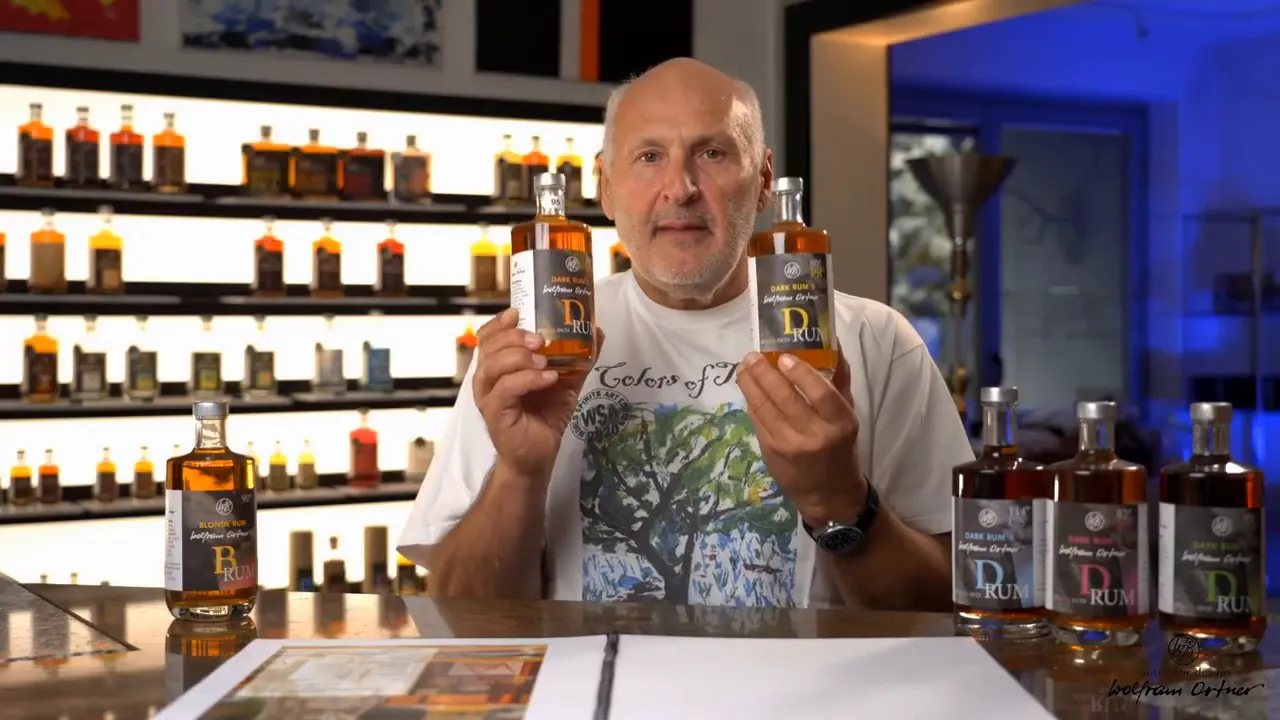
Why adjust to 40 percent ABV?
Deciding the bottling strength is a deliberate act that affects aroma, flavor, and perception. The team behind RUM MANIA - Rums by Wolfram Ortner settled on 40 percent for the ten-year releases after tasting trials. Sensory evaluation pointed to the fact that many rum aromatics appear most harmonized and expressive at that level.
Practical reasons for choosing 40 percent include:
- Aroma release—many volatile compounds interact with ethanol differently. At 40 percent, a broad aromatic spectrum becomes accessible to the nose.
- Palate balance—the mouthfeel and perceived sweetness often read best at this moderate strength.
- Consistency with consumer expectations—40 percent is a familiar benchmark and makes side-by-side comparisons easier.
The decision is not about diluting quality but about unlocking complexity. The team tested higher strengths and cask strength bottlings in earlier releases, but the ten-year expressions reached their aromatic peak at 40 percent. That insight is the kind of practical sensory knowledge that emerges from patience and repeated tasting across a project like RUM MANIA - Rums by Wolfram Ortner.
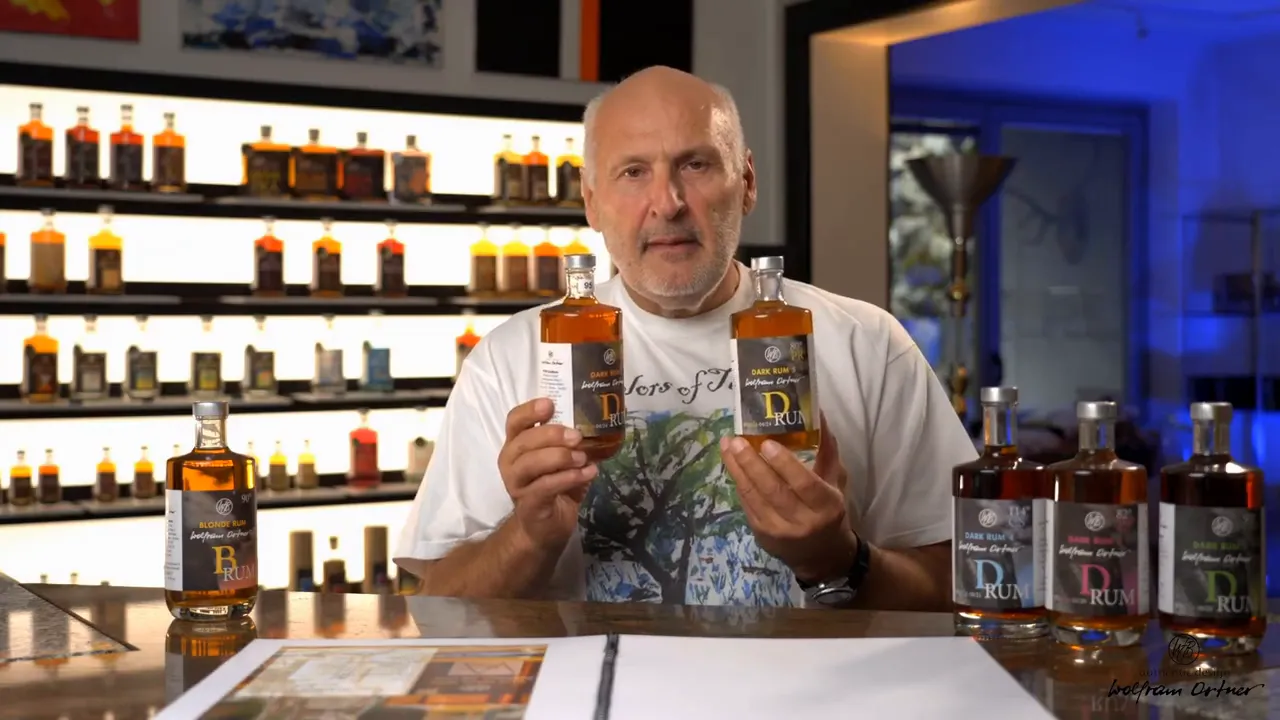
How wood and aging shaped the ten-year expressions
Wood selection matters as much as aging time. The ten-year lineup includes rums finished or matured in different barrel types, each contributing unique flavor compounds—vanillins, lactones, tannins, and caramelized sugars among them.
Differences to pay attention to:
- Former barrel contents—whether a barrel previously held bourbon, wine, or other spirits changes the overlay of flavors.
- Toasting and charring—levels of heat treatment influence the emergence of smoky, caramel, or spice notes.
- Time in wood—longer contact increases extraction but also allows for ongoing chemical transformations that create tertiary flavors.
For the distillery’s ten-year work, blending the results of different woods and different original fermentations produced a portfolio that showcases how a single raw material can evolve into multiple compelling profiles. Each bottle published under RUM MANIA - Rums by Wolfram Ortner represents a combination of those disciplined choices.
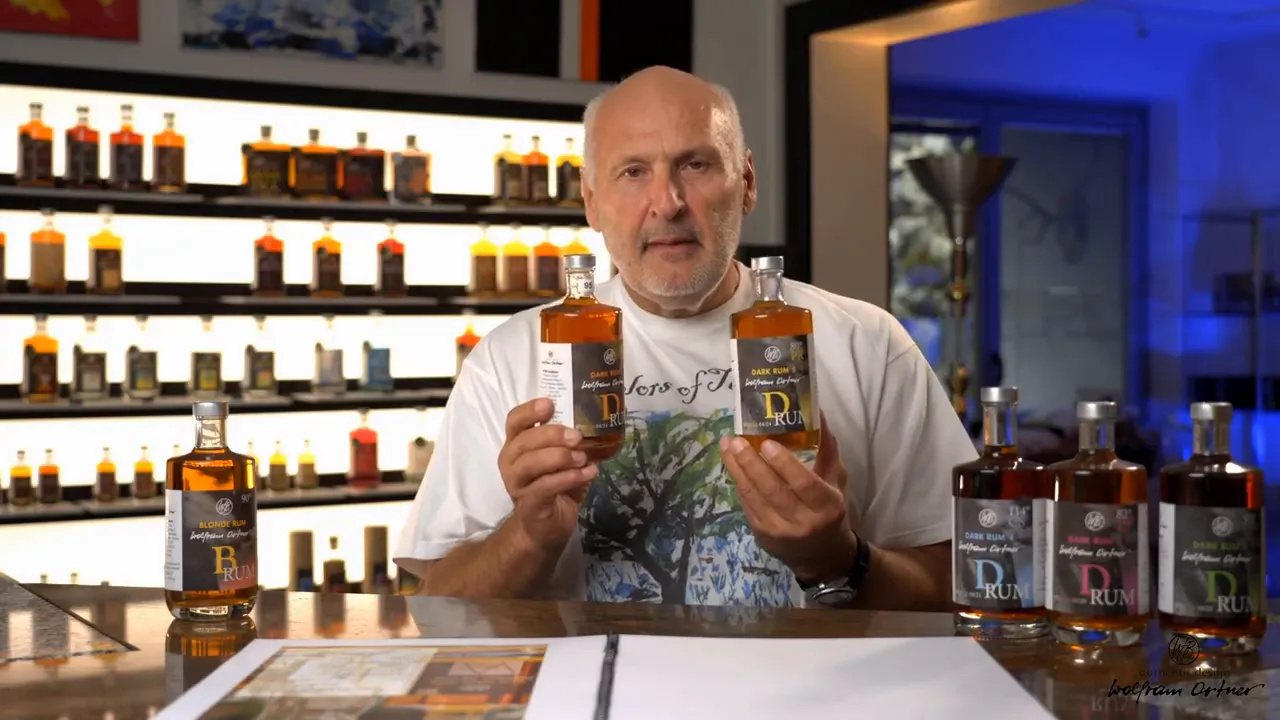
Tasting approach and what to look for
Tasting these rums requires patience and an open palate. Approach the ten-year expressions with three short sips and a moment between each to allow aromas to re-emerge. Notes to hunt for include:
- Primary fruit esters—tropical esters reminiscent of banana, pineapple, and stone fruit.
- Secondary wood notes—vanilla, toasted coconut, baking spices, and mild tobacco.
- Tertiary complexity—oxidative and barrel-derived nuances such as dried fruit, caramel, and umami hints.
Drawing conclusions from such tastings explains why the bottling strength matters. At 40 percent, the aromatic field opens up in a balanced way that makes these categories easier to perceive and compare across bottles from the same project.
Where to try and purchase
Those interested in tasting or purchasing can find the distillery’s shop as well as tasting opportunities in Bad Kleinkirchheim. The site’s e-commerce presence offers the full range for collectors and curious drinkers. Tasting in person remains the best way to appreciate how aging and concentration choices shape the final spirit.
Lessons from RUM MANIA - Rums by Wolfram Ortner
Several lessons emerge from this decade-long experiment:
- Patience is an active technique. Waiting ten years does not mean passive neglect. It means continual evaluation and the readiness to make decisions when the spirit speaks.
- Experimentation yields clarity. Using multiple yeast strains and fermentation regimes clarified which styles respond best to which maturation strategies.
- Bottling strength is part of the recipe. Alcohol percentage is not just a label; it shapes aroma and mouthfeel in measurable ways.
- Geography is less limiting than skill. High-quality rum can emerge from unexpected places when technique meets curiosity.
These lessons inform the broader craft spirit community and show why projects like RUM MANIA - Rums by Wolfram Ortner matter beyond their products.
Product snapshots
A quick look at core editions that emerged from the project:
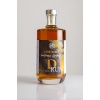
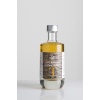
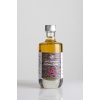
- White edition—a Caribbean-inspired rum filtered to remove color while preserving refined aromatics.
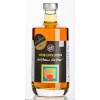
- Blond edition—aged one year in oak, showing a delicate barrel influence with hints of reposado-like oak.
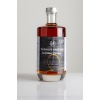
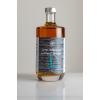
- Cask strength releases—high ABV presentations that highlight raw barrel aromatics and concentrated flavors.
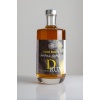
- Ten-year premium—a 40 percent ABV release showing the full depth of long maturation.
Each flavor snapshot sits within the larger narrative of experimentation and care that defines RUM MANIA - Rums by Wolfram Ortner.
Frequently asked questions
What is the concept behind RUM MANIA - Rums by Wolfram Ortner?
The concept is a deliberate experiment: use five fermentations and five yeast strains to create distinct stylistic paths, then observe how each interacts with different barrel types and aging durations. The project shows how methodical variation produces a portfolio of unique rums.
Why were multiple yeast strains used?
Yeast is a major flavor driver. Different strains produce different esters and congeners during fermentation, which translates into varied aromatic and flavor profiles after distillation and aging. Using five strains increased the range of possible outcomes.
Why was the white rum filtered with activated charcoal?
Activated charcoal removes color and some heavier compounds while retaining volatile frangrances and lighter aromatic compounds. The result is a Caribbean-style white rum that keeps many of the character traits from the blond edition while appearing clear in the bottle.
Were any of the rums bottled at cask strength?
Yes. Some batches were bottled at cask strength at around 58 percent ABV to showcase concentrated barrel aromatics. Other batches saw standard bottlings around 53 percent in previous releases and 40 percent for the ten-year premium edition.
Why were the ten-year rums adjusted to 40 percent ABV?
Tasting and sensory testing indicated that the aromatic profile and balance of the ten-year rums were most expressive and harmonious at 40 percent ABV. This level allowed the widest range of aromas to present themselves without the masking effect of higher alcohol intensity.
Where can these rums be purchased or tasted?
The products are available through the distillery’s shop and at tastings in Bad Kleinkirchheim. The distillery maintains an online store for international buyers and an on-site tasting program for visitors who want to experience the range in person.
Final thoughts on RUM MANIA - Rums by Wolfram Ortner
RUM MANIA - Rums by Wolfram Ortner is both a statement and a study. It demonstrates that curiosity, combined with technical rigor, can produce rum that competes on the world stage. The project turned a dream into a decade-long experiment, and the results are readable in each bottle.
For enthusiasts, the takeaway is clear: pay attention to production choices—fermentation, yeast, wood, and final strength—because they shape the story a spirit tells. For producers, the project proves that careful, incremental experimentation can lead to award-winning outcomes.
The ten-year releases show why patience is often the most underrated ingredient in distilled spirits. When time is allowed to do its work in good wood under thoughtful hands, the payoff is complexity, depth, and character.
Top Seller
Sesorisches Wissen Kompakt - IWS.TV Fibel

WOBart: PICTUREbook XX25